
What 'Ultra-Processed Food' Actually Means - and Why the Definition Matters
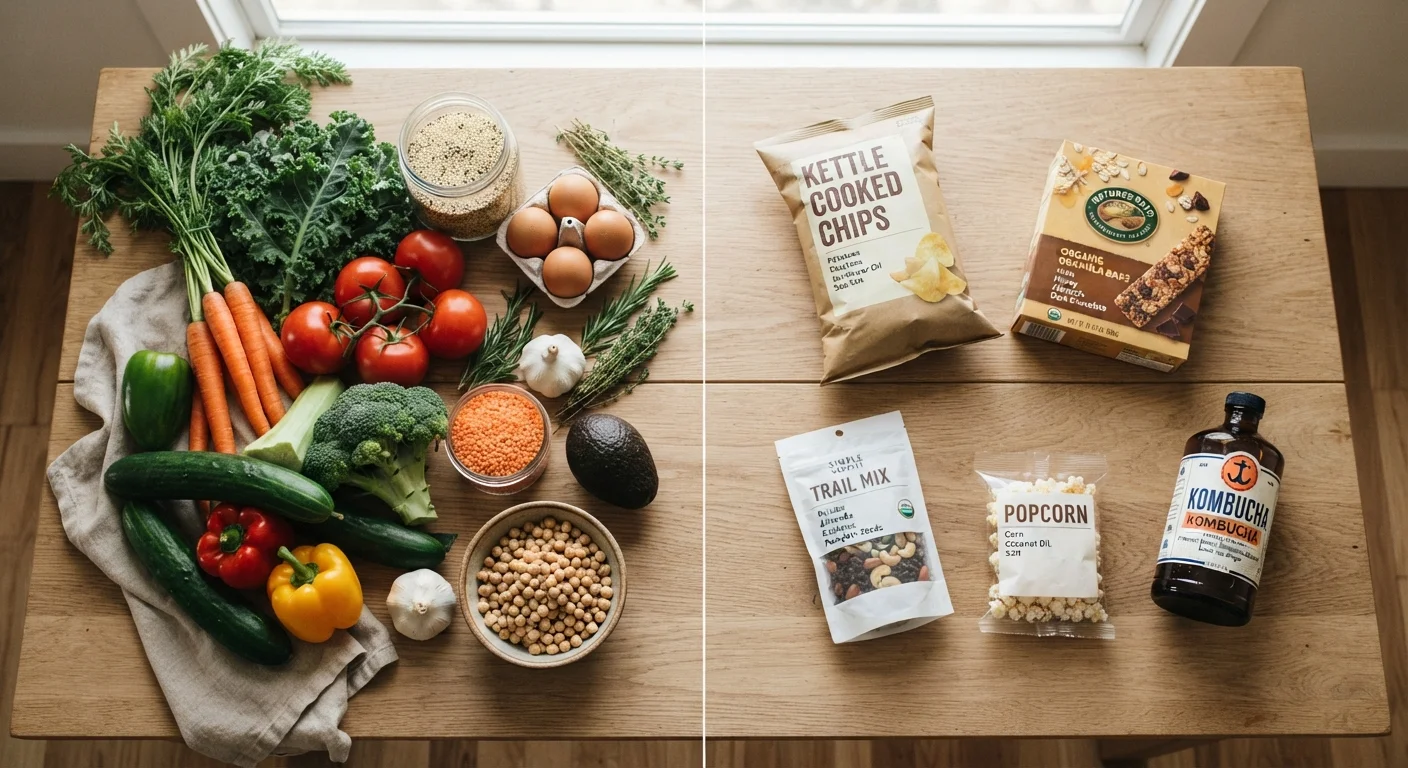
Photo credit: FaqsInsights.com | Stay Informed, Stay Ahead
In this article
The NOVA classification system changed how researchers talk about food processing. Here's what it measures and why it's debated among scientists.
Key Takeaways
- The NOVA system classifies foods by degree of industrial processing, not solely by nutrient content.
- Ultra-processed foods (NOVA Group 4) typically contain additives not used in home cooking.
- Research links high ultra-processed food consumption to certain health risks, but causation is still debated.
- The definition has real-world limitations - some nutritious foods score as ultra-processed under NOVA.
- Understanding food processing can complement, but not replace, reading a nutrition label.
Where the Term Comes From
The phrase "ultra-processed" didn't originate in a government dietary guideline - it emerged from academic research. In 2009, nutritional epidemiologist Carlos Monteiro and colleagues at the University of São Paulo introduced the NOVA classification system, which sorts all foods into four groups based on the nature, extent, and purpose of processing applied to them.
The four groups run from unprocessed or minimally processed foods (Group 1 - think plain oats, fresh vegetables, or eggs) through culinary ingredients (Group 2 - oils, flours, salt) and processed foods (Group 3 - canned fish, cured meats, aged cheeses) to ultra-processed products (Group 4). NOVA was a deliberate departure from nutrient-based frameworks, which the researchers argued were failing to capture something important about how modern industrial food is made and consumed.
This framing was influential because it shifted the conversation away from single nutrients - fat, sugar, sodium - toward the food system itself. Understanding how processing changes wheat is one useful starting point for seeing how these distinctions play out in real ingredients.
What NOVA Group 4 Actually Includes
Ultra-processed foods under NOVA are defined not just by having many ingredients, but by containing substances that serve industrial functions - flavor enhancers, emulsifiers, thickeners, colorants, and preservatives that give products consistent taste, texture, and shelf life at scale. Common examples include packaged snack cakes, carbonated soft drinks, instant noodles, reconstituted meat products, and mass-produced flavored yogurts.
The signal NOVA looks for is ingredients you wouldn't find in a standard home kitchen: things like carrageenan, xanthan gum, high-fructose corn syrup, hydrolyzed vegetable protein, or artificial flavoring compounds. Their presence suggests the food was engineered for palatability and durability rather than assembled from recognizable whole components.
~57%
Share of US adult calories from ultra-processed foods
A study published in the BMJ (2016) analyzing US dietary data estimated that ultra-processed foods accounted for roughly 57% of energy intake among American adults.
4 Groups
NOVA food classification categories
The NOVA system, developed at the University of São Paulo, organizes all foods into four groups ranging from unprocessed whole foods to industrially manufactured ultra-processed products.
~2009
Year NOVA classification was introduced
Nutritional epidemiologist Carlos Monteiro and colleagues first proposed the NOVA framework in research published around 2009-2010, catalyzing a new field of food processing research.
Importantly, ultra-processed foods tend to be calorie-dense, low in fiber, and high in added sugar, sodium, and saturated fat - but that nutrient profile is a frequent consequence of ultra-processing, not NOVA's defining criterion. Two products can have similar nutrient panels yet fall into different NOVA groups, which is part of why the system generated both interest and controversy among nutrition scientists.
The Research - and Its Limits
A substantial body of observational research published since NOVA's introduction has associated high ultra-processed food consumption with elevated risks of obesity, type 2 diabetes, cardiovascular disease, and certain other conditions. Large cohort studies from Europe and the Americas have contributed to this picture, and the consistency of findings across populations drew significant scientific attention.
“The big question is whether ultra-processing itself is harmful, or whether it's simply a marker for diets that are already nutritionally poor. Disentangling those two things is genuinely difficult with observational data.”
— Marion Nestle, Professor Emerita of Nutrition, Food Studies, and Public Health, New York University
However, association is not causation. Critics of the NOVA-based research point out that people who eat more ultra-processed foods also tend to have lower overall diet quality, less access to fresh food, higher stress burdens, and lower incomes - factors that independently influence health. Teasing out ultra-processing as its own driver, separate from poor nutritional composition, remains methodologically challenging.
There are also classification edge cases that complicate interpretation. Some fortified plant-based beverages, whole-grain cereals with added vitamins, and commercially produced whole-wheat breads fall into Group 4 because of additives used in their manufacture - yet these products may contribute genuine nutritional value. Treating NOVA group membership as a binary "healthy/unhealthy" signal can therefore mislead. Learning to read a nutrition label carefully remains a valuable complement to understanding processing levels.
NOVA Is a Research Tool, Not a Daily Scorecard
NOVA was designed to help epidemiologists study population-level dietary patterns - not to serve as a per-meal checklist for individual consumers. Applying it rigidly to every food choice can create unnecessary anxiety and may lead to avoiding genuinely nutritious products. Most nutrition researchers suggest using it as a broad lens for dietary patterns rather than a pass/fail test for individual foods.
Why the Definition Matters Beyond the Lab
The NOVA framework has moved out of academic journals and into public health policy discussions in Brazil, Canada, and several other countries, where dietary guidelines now explicitly reference food processing levels. In the United States, the concept has entered popular nutrition discourse, though it is not yet embedded in official federal dietary guidance.
For everyday readers, the practical value of the ultra-processed concept is less about memorizing ingredient lists and more about a general orienting principle: foods assembled from industrial substances, designed primarily for palatability and shelf stability, tend to displace more nutritious options when they dominate someone's diet. That's a durable insight regardless of where classification debates settle.
If you have specific questions about your own diet - particularly if you manage a chronic health condition - a registered dietitian is the most appropriate resource. This article provides general educational context about a scientific classification system, not personalized dietary advice.
This article is for informational and educational purposes only and does not constitute medical or nutritional advice. Consult a qualified healthcare professional or registered dietitian for guidance specific to your health needs.
Frequently Asked Questions

Author
Health & Wellness Editorial Team
Health & Wellness Editorial Team is the collective byline for our editorial team and contributor network. Articles published under this byline or an editorial pen name are researched, written, and reviewed according to our editorial standards for clarity, consistency, and independence before publication.
View all articles →