
From First Crack to Finished Repair: A Homeowner's Complete Guide to Foundation Issues
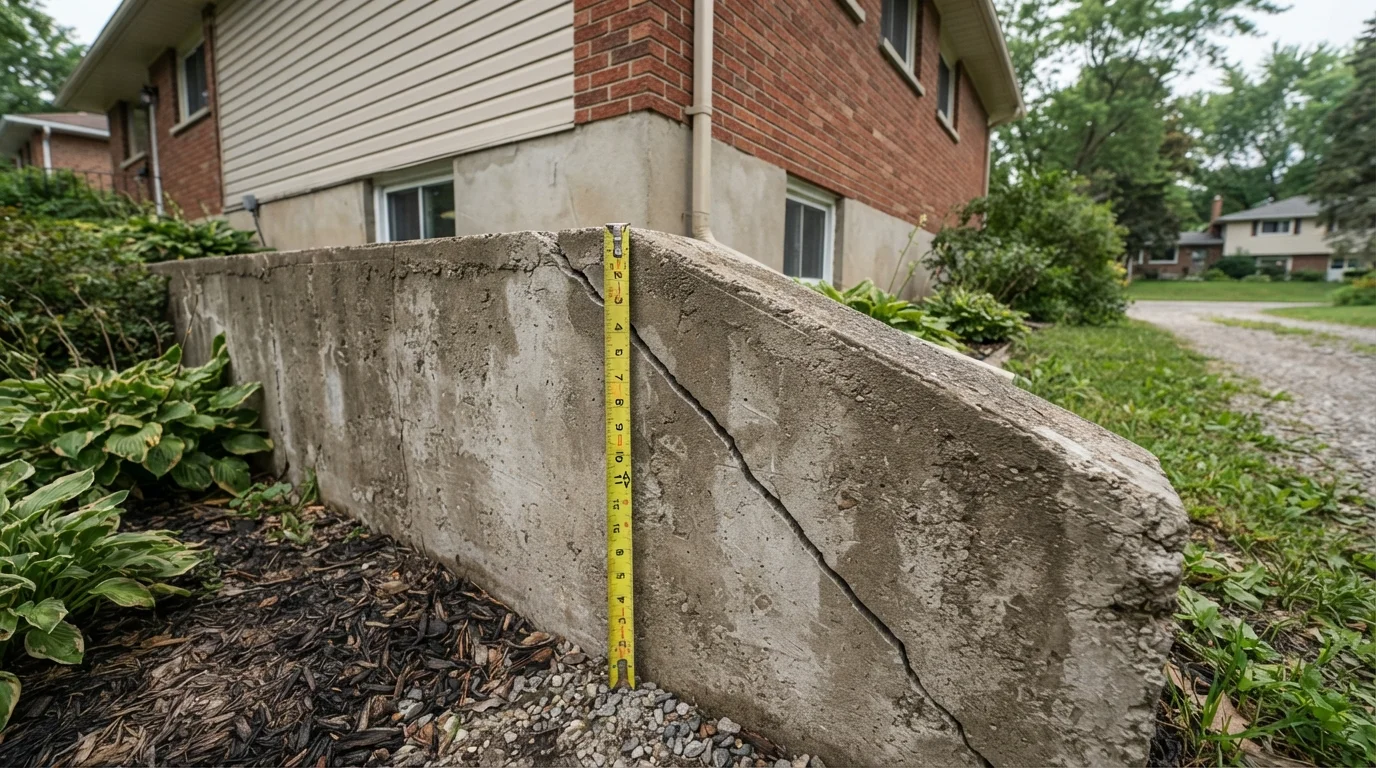
Photo credit: FaqsInsights.com | Stay Informed, Stay Ahead
In this article
Not every foundation crack signals disaster — but some do. This end-to-end guide explains how to assess, document, and respond to foundation concerns responsibly.
Key Takeaways
- Hairline cracks in poured concrete are often normal; wide, diagonal, or stair-step cracks warrant professional assessment.
- Monitoring crack progression over 4-8 weeks before acting prevents unnecessary repairs and reveals true severity.
- Grading, drainage, and gutter maintenance are the most cost-effective long-term foundation protections available to homeowners.
- DIY patching is appropriate for cosmetic, non-structural cracks only - structural repairs require licensed professionals.
- Always get multiple written assessments before committing to major foundation repair work.
How Foundation Problems Typically Start
Most foundation issues don't appear overnight. They develop over months or years as a result of soil movement, water infiltration, or the natural settling of a structure. Understanding the root causes helps homeowners distinguish normal aging from genuinely concerning deterioration.
The three most common culprits are:
- Expansive or shrinking soil: Clay-heavy soils swell when wet and contract when dry, placing cyclic pressure on foundation walls and footings.
- Poor drainage: Water pooling against a foundation softens soil, increases hydrostatic pressure, and can drive moisture into porous concrete or block walls.
- Tree roots and vegetation: Large root systems near the home can displace soil and compromise footings over time.
Settlement - the gradual downward movement of a structure - is expected to some degree in any home. Uniform settlement rarely causes lasting problems. It's differential settlement (uneven sinking across different areas) that leads to structural stress and visible cracking.
When to Stop Waiting and Act Immediately
If you observe a horizontal crack in a basement or crawl space wall, visible inward bowing, or a sudden new crack accompanied by sticking doors throughout the home, do not wait to monitor. These are signs of potentially active structural movement. Contact a licensed structural engineer or foundation contractor promptly. In the interim, avoid storing heavy loads against affected walls.
Reading the Cracks: What Different Types Mean
Not all cracks carry the same message. Learning to categorize what you see is the first step toward an informed response.
Hairline and Shrinkage Cracks
Thin, vertical cracks less than 1/16 inch wide are extremely common in poured concrete foundations and usually result from curing shrinkage. They are typically cosmetic and don't indicate structural compromise, though they can allow minor moisture seepage.
Horizontal Cracks
Horizontal cracks in basement or crawl space walls are among the most serious signs. They often indicate lateral soil pressure bowing the wall inward - a structural concern requiring prompt professional evaluation.
Diagonal and Stair-Step Cracks
Diagonal cracks running at roughly 45 degrees, or stair-step cracks traveling along mortar joints in block or brick foundations, suggest differential settlement. Width matters: cracks wider than 1/4 inch, or those that show displacement between the two sides, deserve professional attention.
Vertical Cracks
Wider vertical cracks (over 1/8 inch) can signal ongoing settlement. If one side of the crack sits higher than the other - a condition called displacement - the movement is uneven and warrants investigation.
Cracking in interior finishes, such as tile grout or drywall, can sometimes reflect the same underlying movement. Our guide on why grout keeps cracking explains how structural shifts manifest in tile and mortar work.
25%
US homes with significant foundation distress
The American Society of Civil Engineers has noted that a substantial share of residential structures experience some degree of foundation movement over their lifespan.
90%
Foundation problems linked to water
Industry estimates consistently point to water management failures - poor drainage, grading, and gutters - as the leading cause of residential foundation damage.
$4,000-$10,000+
Typical structural foundation repair cost range
Repair costs vary widely by method, severity, and region; major underpinning or wall stabilization projects can exceed these figures significantly.
Documenting and Monitoring Before You Act
Rushing to repair can be as costly as ignoring a problem. A short monitoring period - typically four to eight weeks - gives you concrete data to share with a professional and helps confirm whether movement is active or historical.
How to Monitor a Crack
- Photograph it with a ruler or coin in frame for scale, noting the date.
- Mark both ends with pencil lines and note the width using a feeler gauge or credit card for a rough comparison.
- Check weekly and record any changes in length, width, or the relative height of each side.
- Note seasonal context - cracks that open in dry summer heat and close in wet winter months often reflect soil moisture cycles rather than progressive structural failure.
A Simple Crack-Monitoring Kit
A feeler gauge set (available at hardware stores), a permanent marker, a small ruler, and a dated photo log are all you need to track crack progression accurately. Consistency matters more than precision - measure at the same point each time and under similar conditions.
This documentation becomes invaluable if you later hire a structural engineer or foundation contractor, allowing them to assess the rate and direction of movement rather than relying solely on a single snapshot.
DIY-Appropriate Fixes vs. When to Call a Professional
Homeowners can responsibly address a narrow category of foundation-related concerns themselves. Everything else should involve a licensed professional.
What Homeowners Can Typically Handle
- Filling hairline shrinkage cracks in poured concrete with hydraulic cement or polyurethane caulk to limit moisture intrusion
- Improving grading around the home so soil slopes away from the foundation
- Cleaning and extending downspout extensions so water discharges at least 4-6 feet from the foundation
- Applying masonry waterproofing paint or sealers to interior basement walls as a moisture-management layer
DIY Limits: Know What Not to Touch
Patching a crack with surface sealant does not address structural movement and can mask ongoing deterioration. Never attempt to jack or relevel a sagging foundation, shore up footings, or waterproof from the exterior without professional involvement. These tasks carry serious injury risk and often require permits and engineering sign-off to meet local building codes.
When a Professional Is Required
- Any horizontal crack or bowing wall
- Cracks wider than 1/4 inch or showing displacement
- Doors and windows sticking throughout the home - a possible sign of frame racking
- Visible gaps between walls and ceilings or floors
- Water intrusion that persists despite drainage improvements
Foundation repair methods - including piering, underpinning, wall anchors, and carbon fiber straps - require engineering assessment, permits in most jurisdictions, and licensed contractors. Attempting structural repairs without proper qualifications is dangerous and may void homeowner's insurance or create disclosure obligations during a future sale.
When evaluating contractor proposals, ask specifically whether the proposed repair method addresses the cause of movement, not just the symptom. A patched crack that doesn't fix the drainage problem will likely reopen.
Repair companies are sometimes incentivized to sell their standard method rather than the most appropriate one for a specific situation. Independent engineering advice helps homeowners ask better questions.
Take dated photographs from the same angle every season for the first two years after any foundation repair. This creates a visual record that supports warranty claims if movement resumes.
Warranty disputes over foundation repairs are common. Photographic evidence of post-repair movement is far more persuasive than memory alone.
Working With a Foundation Specialist
When professional involvement is warranted, knowing how to navigate the process protects you from unnecessary work and inflated costs.
Start With a Structural Engineer
Consider hiring an independent structural engineer - not affiliated with a repair company - before getting contractor bids. Engineers charge a fee for their assessment, but their written report gives you an unbiased diagnosis and repair recommendation that you can hand to any contractor.
Get Multiple Bids
Foundation repair is a high-dollar category where pricing varies significantly. Obtain at least two or three written bids that reference the same scope of work. Be cautious of bids that significantly undercut competitors without a clear explanation.
Verify Credentials
Confirm that any contractor holds the appropriate state license for foundation or structural work, carries general liability insurance, and offers a written transferable warranty. Ask how long they have operated locally and request references from comparable projects.
“The most important thing a homeowner can do before spending money on foundation repairs is get an independent opinion from someone who has no financial stake in the outcome. The repair industry has legitimate players, but the sales pressure can be significant.”
— Foundation Performance Association, Non-profit technical organization focused on residential foundation standards
Understand the Permit Process
Most structural foundation repairs require a building permit and inspection. A reputable contractor will pull permits on your behalf as part of their scope. Unpermitted structural work can complicate a future home sale and may be flagged by buyers' inspectors.
Prevention: Keeping Your Foundation Stable Long-Term
The most effective foundation repair is the one you never need. A few consistent maintenance habits dramatically reduce the likelihood of significant problems developing.
Manage Water Aggressively
Keep gutters clear so roof water is directed into downspouts rather than cascading against the foundation. Extend downspouts away from the home. Ensure the soil grade slopes away from the foundation at roughly 6 inches of drop over the first 10 feet.
Maintain Consistent Soil Moisture
In drought-prone regions, severe soil shrinkage can cause foundation settlement. A slow-drip soaker hose placed 12-18 inches from the foundation during extended dry spells can help maintain more consistent moisture levels in expansive clay soils - though this requires careful judgment to avoid overwatering.
Control Vegetation
Avoid planting large trees or shrubs close to the foundation. As a general guideline, a tree's root spread can extend as far as its canopy width. Keep that zone in mind when landscaping near the home.
Inspect Annually
Walk the perimeter of your home each spring and fall. Look for new cracking, changes in existing cracks, soil erosion near the foundation, and any signs of efflorescence (white mineral deposits on masonry, indicating water movement through the wall). Catching changes early keeps options - and costs - manageable.
ASCE Report Card for America's Infrastructure
The American Society of Civil Engineers publishes periodic reports on structural conditions affecting US buildings and infrastructure - useful background for understanding soil and foundation risk broadly.
Your State's Contractor Licensing Board
Most states maintain an online license verification portal where you can confirm that a foundation or structural contractor holds a current, valid license before signing any contract.
Local Building and Permits Department
Your municipality's building department can tell you which foundation repairs require a permit and inspection in your specific jurisdiction - a critical step before any structural work begins.
This article is for general informational and educational purposes only. Foundation and structural concerns vary significantly by local soil conditions, construction type, and regional building codes. Always consult a licensed structural engineer or qualified contractor for any assessment or repair of your specific situation, and verify local permit requirements with your municipality before beginning any work.

Author
Home & Garden Editorial Team
Home & Garden Editorial Team is the collective byline for our editorial team and contributor network. Articles published under this byline or an editorial pen name are researched, written, and reviewed according to our editorial standards for clarity, consistency, and independence before publication.
View all articles →