
MOOCs Explained: What Massive Open Online Courses Are and How They Fit Into Modern Education
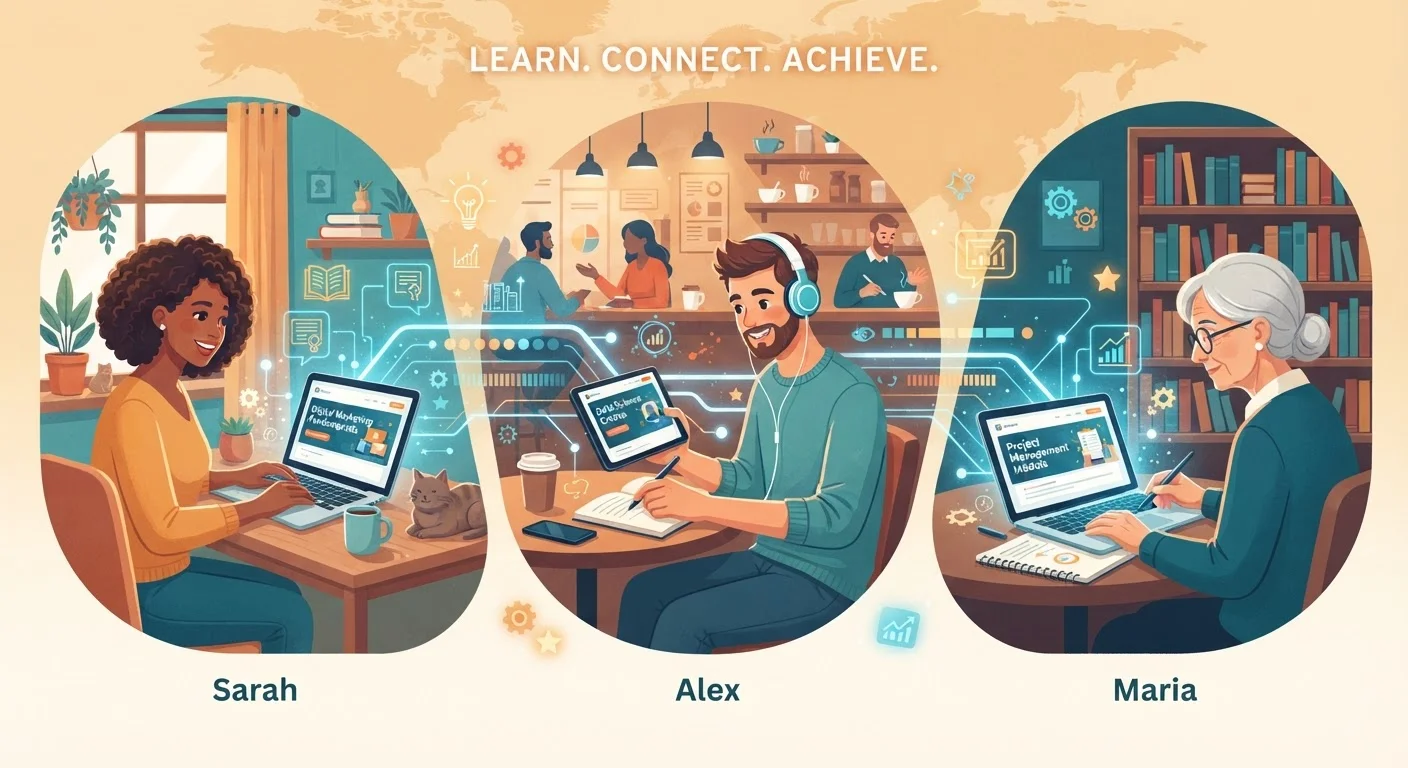
Photo credit: FaqsInsights.com | Stay Informed, Stay Ahead
In this article
MOOCs reshaped how millions access education, but they come with real limitations. Here's a clear, unbiased look at what they offer and where they fall short.
Key Takeaways
- MOOCs are open-enrollment online courses designed to scale to thousands or millions of learners simultaneously.
- Most MOOCs are free to audit, though certificates of completion typically require payment.
- Completion rates for MOOCs are historically low, often under 15%, highlighting a self-motivation challenge.
- MOOCs complement but generally do not replace accredited degree programs in formal academic or employer contexts.
- The quality and credential value of MOOCs vary widely depending on the platform and the institution offering the course.
Where MOOCs Came From and Why They Grew So Fast
The MOOC concept gained mainstream attention around 2011-2012, when a handful of universities began offering free courses online to tens of thousands of simultaneous students. The underlying promise was significant: that a high-quality lecture from a leading institution could reach a learner in rural Kansas just as easily as one in Cambridge. Growth was rapid, and within a few years, major platforms had aggregated courses from universities and companies across the globe.
That acceleration was driven by several converging forces - the rise of broadband access, smartphone adoption, and a broader cultural shift toward self-directed, lifelong learning. For adult learners managing jobs and families, MOOCs offered something traditional education couldn't easily provide: flexibility without sacrifice of structure.
For broader context on how this fits into the wider online education landscape, see the complete picture of online learning.
220M+
MOOC learners registered globally
According to Class Central's annual MOOC report, global MOOC registrations surpassed 220 million by the early 2020s, reflecting the scale of open online education adoption.
<15%
Average MOOC completion rate
Multiple peer-reviewed studies, including research published in educational technology journals, have consistently found completion rates below 15% across major MOOC platforms.
1,000+
Universities offering MOOCs worldwide
Class Central's data indicates that over a thousand universities globally have contributed courses to major MOOC platforms, spanning dozens of languages and disciplines.
How MOOCs Are Structured
A typical MOOC is organized into weekly modules, each containing pre-recorded video lectures, readings, and short assessments. Discussion forums allow learners to interact with peers across the world, and automated grading handles most quizzes at scale. Some courses include peer-reviewed assignments, where learners evaluate each other's work using instructor-provided rubrics.
Pacing varies. Some MOOCs are self-paced, meaning you move through material on your own schedule. Others follow a set cohort calendar with deadlines - a structure that research suggests improves completion. Certificates, when offered, generally require passing graded assessments and sometimes a final project.
It's worth noting that the 'open' in MOOC means open enrollment, not necessarily open content licensing. Course materials may be restricted to enrolled participants, and access to archived content after a course ends differs by platform.
Set a Specific Learning Goal Before Enrolling
Learners who enroll in a MOOC with a defined outcome - such as completing a specific module for a work project or finishing a course before a career decision - tend to engage more consistently. Vague curiosity is a valid reason to explore, but a concrete goal gives you something to measure progress against. Before clicking 'enroll,' write down in one sentence what you want to be able to do or understand when you finish.
The Real Limitations of MOOCs
MOOCs have real value, but they also come with documented limitations that matter for anyone making education decisions. Completion rates are the most cited concern - studies have consistently found that fewer than 15% of enrolled learners finish a given course. This isn't necessarily a quality problem; many learners enroll to sample content or revisit a specific topic, with no intention of finishing.
Still, for learners expecting structured accountability, MOOCs may feel isolating. Instructor interaction is minimal or absent in most free-tier offerings. Feedback is typically automated or peer-sourced, which has limitations depending on the subject matter.
Credential value also deserves careful thought. A MOOC certificate signals interest and initiative, but it is not an accredited qualification. For some industries and employers this matters significantly. If you're weighing credentials, what the price tag does and doesn't tell you about online courses is a useful companion read.
How to Decide Whether a MOOC Fits Your Goals
MOOCs work well in specific situations. They're particularly effective for skill exploration - learning whether a subject interests you before committing to a longer program. They're also useful for professionals filling narrow knowledge gaps or staying current in a fast-moving field. In those scenarios, completion of a certificate is secondary to the learning itself.
Where MOOCs are less well-suited is when formal credentials matter, when a subject requires hands-on supervision, or when a learner needs structured peer accountability to stay engaged. In those cases, accredited programs or instructor-led cohort courses may serve better - even at higher cost.
Several persistent misunderstandings color how people evaluate online learning options generally. Common online learning myths that discourage real students offers a grounded look at what the evidence actually shows.
Before enrolling in any course - MOOC or otherwise - it's worth applying a consistent evaluation framework. What to evaluate before you enroll in an online course outlines the key questions to ask. And if you're newer to digital learning environments, a ground-up introduction to taking your first online course can help you start with realistic expectations.
“The promise of MOOCs was never to replace universities - it was to remove the access barrier that keeps capable learners out. Whether that promise has been fulfilled depends heavily on what the learner brings to the table.”
— Daphne Koller, Co-founder of Coursera and professor of computer science
Frequently Asked Questions

Author
Learning & Education Editorial Team
Learning & Education Editorial Team is the collective byline for our editorial team and contributor network. Articles published under this byline or an editorial pen name are researched, written, and reviewed according to our editorial standards for clarity, consistency, and independence before publication.
View all articles →