
Monthly Budget Review: What to Check and Why
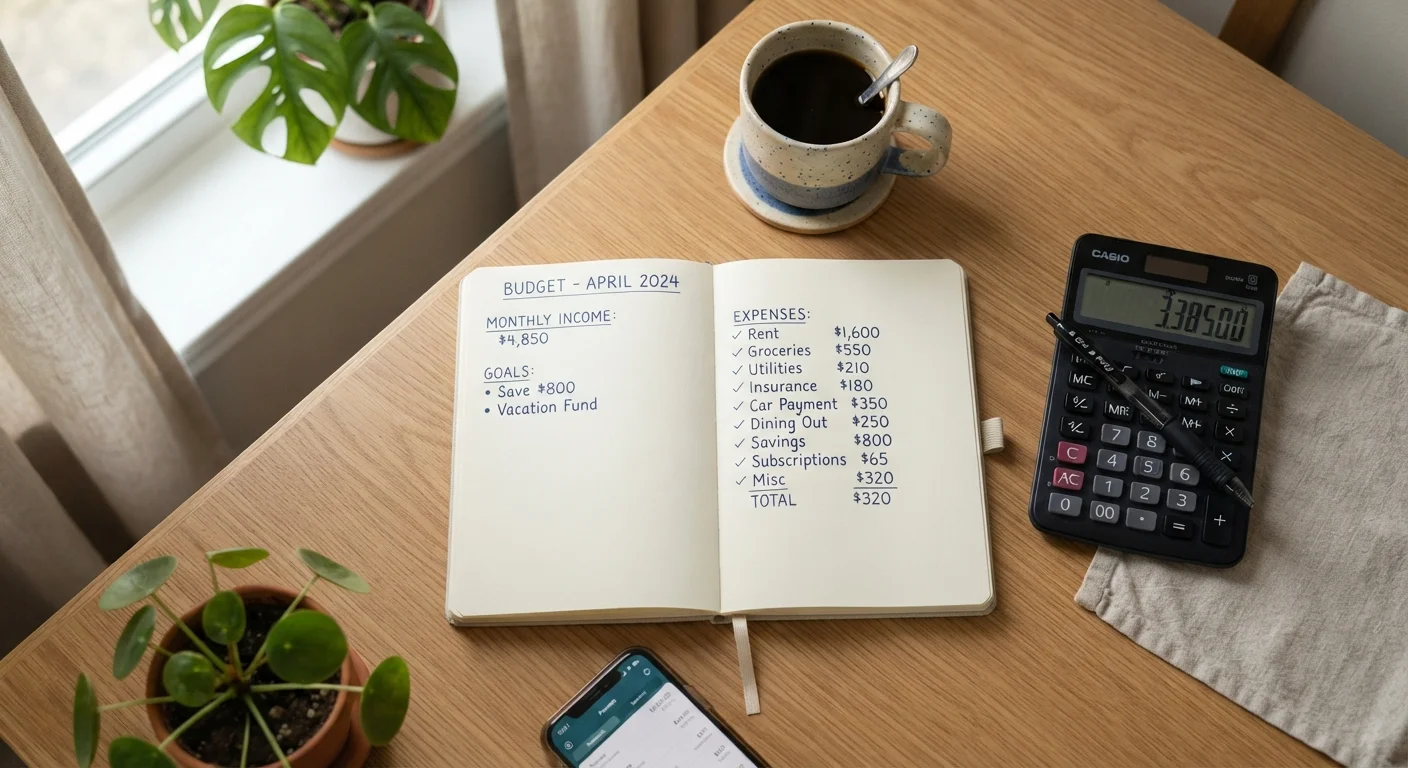
Photo credit: FaqsInsights.com | Stay Informed, Stay Ahead
In this article
A structured end-of-month checklist to help you assess what worked, catch overspending early, and adjust your plan before the next month begins.
Key Takeaways
- A monthly budget review helps you spot overspending before it compounds into a bigger problem.
- Comparing planned spending to actual spending is the single most important review step.
- Irregular expenses - subscriptions, annual fees, gifts - are the most commonly missed budget items.
- Adjusting your budget each month is normal and healthy, not a sign of failure.
- Reviewing your savings and debt progress keeps long-term goals visible and motivating.
Why a Monthly Review Is Worth the Time
A budget without regular review is little more than a wish list. Spending patterns shift, unexpected costs arrive, and without a structured check-in, small overages quietly accumulate into real financial stress. A monthly review - even a focused 30 to 60 minutes - closes that gap between intention and reality.
If you're new to budgeting altogether, our introduction to personal budgeting covers the foundational concepts before you run your first review. For those already tracking a budget, this checklist gives you a consistent, repeatable process to work through at the end of each month.
Think of this review not as judgment on your past behavior, but as data collection that informs smarter decisions next month. The goal is clarity, not criticism.
Your Budget Should Change - That's Normal
A budget that never gets adjusted isn't working - it's just sitting there. Life changes: income fluctuates, expenses evolve, and priorities shift. The monthly review is specifically the time to make those adjustments. Modifying your plan based on real data is a sign the system is functioning correctly, not a sign it's failing.
What You'll Need Before You Start
Gathering the right information before you sit down saves time and prevents incomplete reviews. Have the following ready:
Bank and credit card statements
Provides a complete, transaction-level record of all money in and out for the month.
Your existing budget (spreadsheet, app, or written plan)
The baseline you'll compare actual spending against to find variances.
Calculator or budgeting app
Used to total category spending and calculate how much you were over or under plan.
Notebook or review template
A consistent place to record findings, flag issues, and note adjustments for next month.
Once these are in front of you, work through the checklist groups below in order. Each section builds on the last.
The Monthly Review Checklist
Work through each group systematically. Items marked must are the non-negotiable core of any effective review. Should items add meaningful depth, and nice-to-have items help refine your system over time.
Income Verification
Spending vs. Plan
Irregular and Forgotten Expenses
Savings and Debt Progress
Plan Adjustments for Next Month
Don't Skip Months After a Hard One
It's tempting to avoid reviewing a month where spending went off the rails. Skipping the review, however, means you lose the data you need most. An honest look at a difficult month - even a brief one - gives you more useful information than a clean month reviewed in detail. Consistency matters more than perfection.
If you discover categories where your actual spending routinely exceeds your plan, that's a signal to revisit your budget structure - not just your behavior. Our guide on spending categories most budgets miss can help you identify gaps you may not have accounted for.
For a deeper look at why even well-intentioned budgets break down over time, see why budgets fail and what keeps them on track.
This article is for general informational and educational purposes only. It does not constitute personalized financial, investment, or tax advice. Consult a qualified financial professional for guidance tailored to your individual circumstances.

Author
Money & Finance Editorial Team
Money & Finance Editorial Team is the collective byline for our editorial team and contributor network. Articles published under this byline or an editorial pen name are researched, written, and reviewed according to our editorial standards for clarity, consistency, and independence before publication.
View all articles →