
Socialization in Young Animals: What the Window Means and Why It Closes
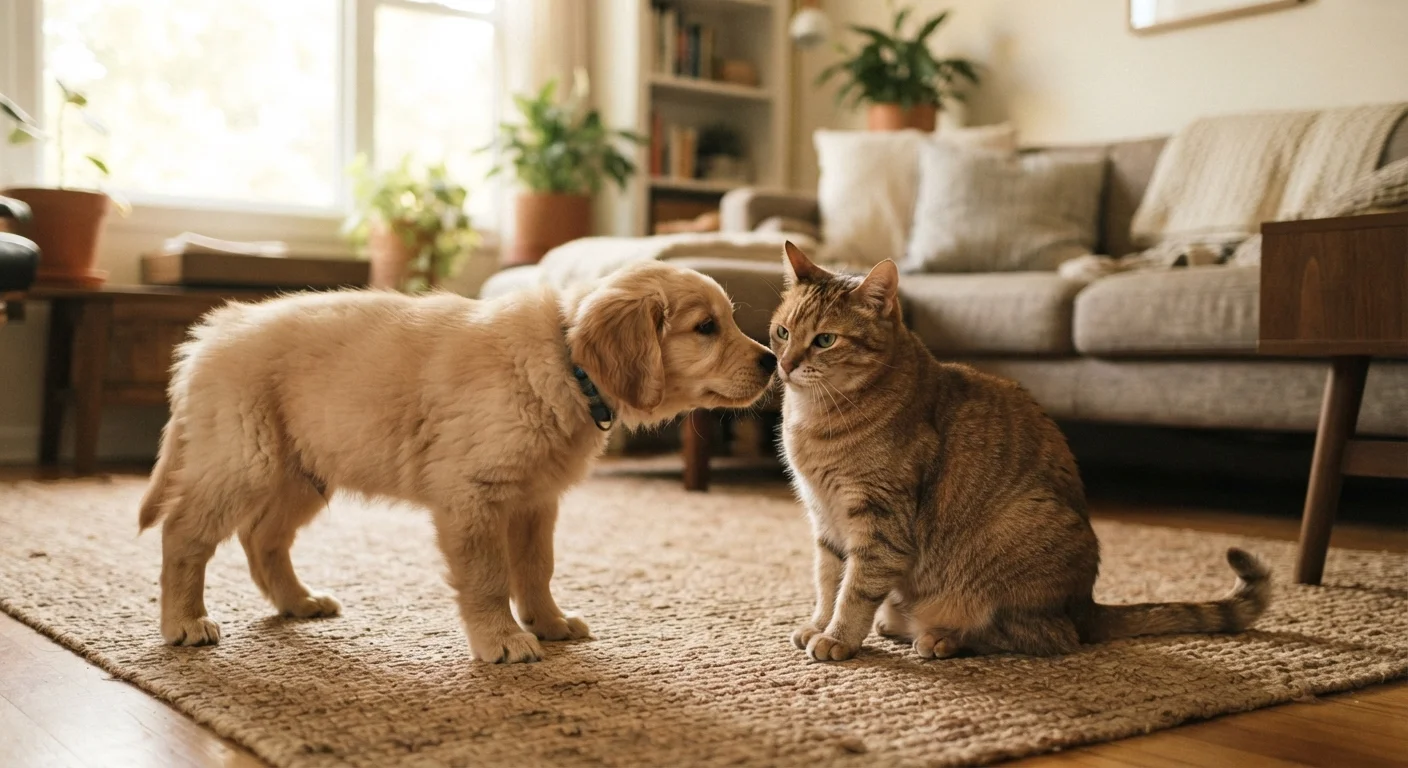
Photo credit: FaqsInsights.com | Stay Informed, Stay Ahead
In this article
Learn what the socialization period is, why early experiences shape lifelong behavior, and what it means if a pet missed that window.
Key Takeaways
- Every social species has a defined developmental window during which early experiences become lasting behavioral templates.
- For puppies, the primary socialization window runs roughly from 3 to 12-14 weeks of age; for kittens, approximately 2 to 7 weeks.
- Missing the window doesn't ruin a pet - but it does mean behavior change requires more time, patience, and consistency.
- Quality of exposure matters as much as quantity; a frightening encounter can set back progress just as a positive one advances it.
- Working with a veterinary behaviorist or certified trainer is especially worthwhile for pets with significant socialization gaps.
Why Timing Is Everything in Early Development
Young animals are not simply small adults. Their brains are actively constructing a map of the world - cataloguing what is familiar, what is threatening, and what belongs in everyday life. The socialization period is when that map is drawn most readily and most durably.
During this window, a puppy that hears a vacuum cleaner, meets a child, or rides in a car is laying down neural patterns that say, in effect, this is normal. Without those experiences, the same stimuli encountered later in life can trigger uncertainty, fear, or outright panic - not because the animal is defiant or difficult, but because nothing in its developmental history prepared it for that moment.
Understanding this process matters enormously for new pet owners. See our first-30-days guide for new pet owners for how early routines connect to long-term wellbeing. To understand the learning science underneath socialization itself, it also helps to explore how animals learn.
Socialization Is Not the Same as Training
Socialization is about building an emotional baseline - teaching a young animal that the world is generally safe and predictable. Training, by contrast, teaches specific behaviors and responses. Both matter, but they operate differently and require different approaches. A well-socialized animal is simply easier to train because fear and reactivity are not getting in the way.
Species-by-Species: When the Window Opens and Closes
Timing is not universal across species. Each animal's socialization window is shaped by its evolutionary history and the pace of its early neurological development.
- Dogs: The primary window opens around 3 weeks and typically closes between 12 and 14 weeks. A secondary, less intensive period of social refinement continues into adolescence.
- Cats: The window is shorter and earlier - approximately 2 to 7 weeks of age. This is one reason feral or barn-raised kittens can be significantly harder to habituate to human contact compared to those raised in a home environment from birth.
- Rabbits and guinea pigs: These species have sensitive early periods as well, though the research is less extensive. Early, gentle handling by humans appears to reduce fear responses in adult animals.
- Parrots and other birds: Hand-rearing and early human contact during fledging plays a major role in determining how comfortable a bird is with handling and novel environments throughout its life.
For a deeper dive into puppy-specific socialization strategies, our complete guide on socializing a puppy covers what to expose young dogs to, when, and how.
3-14 wks
Primary socialization window in puppies
Widely cited by veterinary behaviorists and organizations such as the American Veterinary Society of Animal Behavior as the most critical developmental window for dogs.
2-7 wks
Primary socialization window in kittens
Research on feline development consistently identifies this shorter window as the period when human contact has the greatest long-term effect on a cat's sociability.
~40%
Of shelter surrenders attributed to behavioral issues
Behavioral problems, many of which are linked to inadequate early socialization, are consistently among the leading reasons owners surrender pets to shelters, according to shelter intake data.
What Good Socialization Actually Looks Like
Socialization is not simply exposure - it is positive exposure. An overwhelming or frightening experience during the sensitive window can have the opposite of the intended effect, sensitizing an animal to a stimulus rather than habituating it.
Effective socialization tends to share a few key characteristics:
- Gradual introduction: Start at a distance or low intensity, and only increase exposure as the animal shows signs of comfort.
- Positive association: Pairing new experiences with food, play, or calm praise helps build an emotional connection between the novel stimulus and something pleasant.
- Variety across categories: Good socialization covers people of different appearances and ages, other animals, surfaces, sounds, vehicles, handling (ears, paws, mouth), and environments.
- Watching the animal's signals: A pet that is freezing, trembling, tucking its tail, or trying to escape is not being socialized - it is being overwhelmed. Understanding your pet's body language is essential to reading whether an introduction is going well.
Keep First Encounters Short and Positive
Aim for brief, successful encounters rather than long, exhausting ones. A 5-minute introduction that ends on a calm, positive note does more for an animal's socialization than a 30-minute session that tips into overwhelm. Always let the animal set the pace, and resist the urge to push through signs of discomfort - stopping and trying again another day is not failure; it is good technique.
When the Window Has Already Closed
Many people adopt pets that missed adequate early socialization - rescue animals, strays, pets from low-stimulation environments. A closed socialization window is not a permanent verdict on what a pet can learn, but it does change the approach.
Behavior change in post-window animals relies on desensitization (very gradual, controlled exposure to a feared stimulus at a level that does not trigger a fear response) and counter-conditioning (building a new, positive emotional association with that stimulus). Progress is typically slower and requires more consistency than early socialization would have, and outcomes vary with each individual animal.
For pets showing significant fear, reactivity, or anxiety, a veterinary behaviorist or certified applied animal behaviorist can develop a structured behavior modification plan. Your primary care veterinarian is a good first point of contact, and pet health and wellness resources can help you understand what to look for and when to seek professional support.
Bringing home a pet with socialization gaps also calls for a thoughtful setup from day one. The wellness groundwork checklist for new pets addresses how to structure the environment, schedule, and early care to support an animal that needs extra patience.
This article is for general informational and educational purposes only. It is not a substitute for professional veterinary or behavioral advice. If your pet is showing signs of fear, anxiety, or behavioral concerns, consult a qualified veterinarian or certified animal behaviorist.
Frequently Asked Questions

Author
Pets & Animals Editorial Team
Pets & Animals Editorial Team is the collective byline for our editorial team and contributor network. Articles published under this byline or an editorial pen name are researched, written, and reviewed according to our editorial standards for clarity, consistency, and independence before publication.
View all articles →