
Before Your First Training Session: What to Have in Place
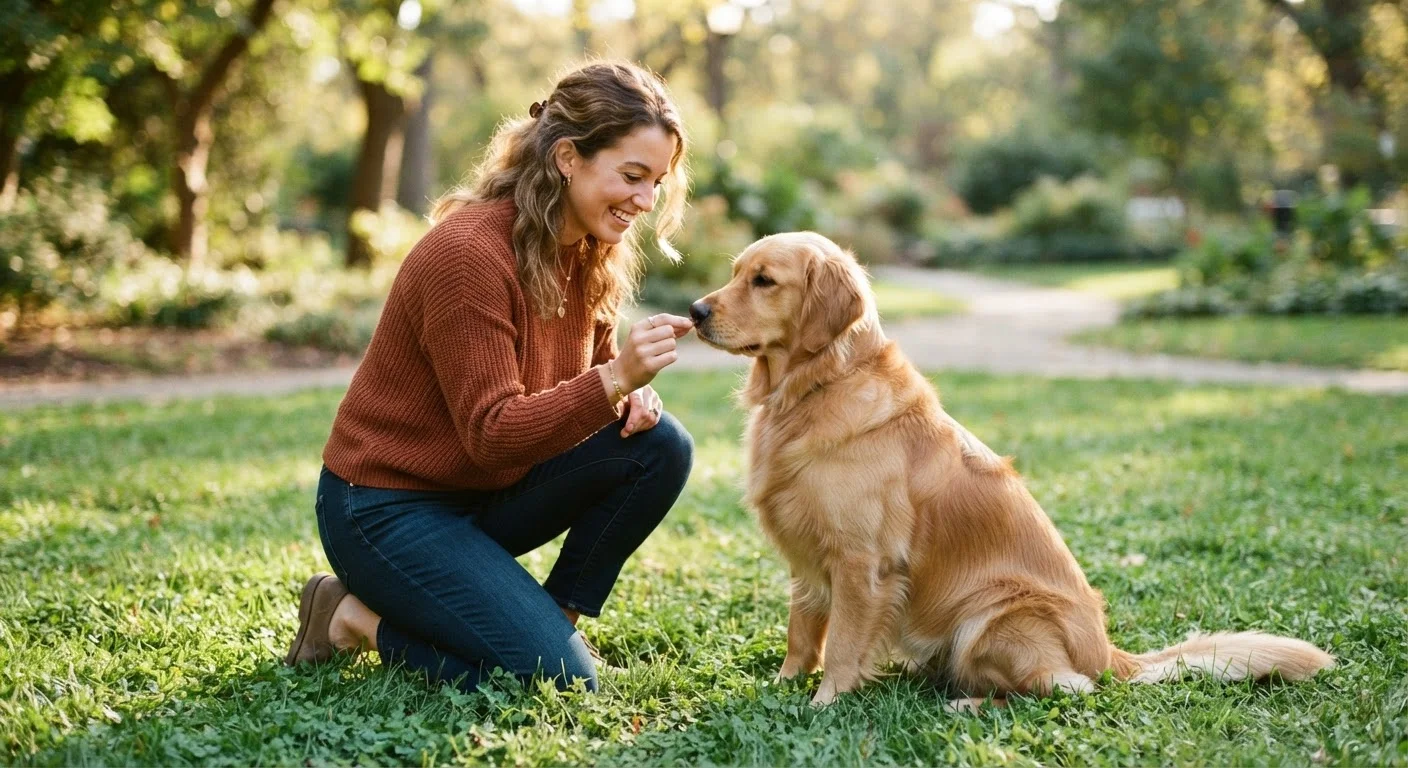
Photo credit: FaqsInsights.com | Stay Informed, Stay Ahead
In this article
Use this checklist to set up the right environment, gather supplies, and clarify your goals before training your pet for the first time.
Key Takeaways
- Reward-based training works best when you prepare your environment, tools, and mindset in advance.
- Setting a clear, single goal per session prevents overwhelming your pet and yourself.
- High-value treats, a distraction-free space, and consistent timing are non-negotiable starting points.
- Short, frequent sessions produce better results than long, infrequent ones.
- Knowing your pet's stress signals helps you end a session before frustration sets in.
Why Preparation Makes the Difference
Starting a training session without preparation is one of the most common reasons first attempts feel discouraging. Pets pick up on their owner's uncertainty, and a cluttered or noisy environment competes directly with the signals you're trying to teach. Taking 20-40 minutes to set things in place before the very first session gives both you and your pet the best possible starting conditions.
This checklist applies broadly to dogs and cats, though the principles - short duration, clear cues, positive reinforcement - translate across many species. If you've recently brought a new animal home, pairing this guide with our wellness groundwork checklist will help you build on a strong behavioral and health foundation from day one.
Work through the groups below in order. Check off each item as you confirm it's in place - not just as something you plan to do later.
Environment Setup
Supplies and Rewards
Goal and Session Planning
Your Pet's Readiness
Owner Mindset
Tools and Supplies You'll Want on Hand
You don't need an elaborate kit to begin training, but having the right items within reach prevents you from breaking your pet's focus mid-session to search for something. The tool cards below reflect what most owners find genuinely useful for reward-based work.
High-value treats
Provides immediate positive reinforcement that motivates your pet to repeat the desired behavior.
Treat pouch or small container
Keeps rewards accessible so you can deliver them within one second of the behavior - timing is critical in early training.
Clicker or verbal marker
Marks the exact moment a correct behavior occurs, helping your pet understand precisely what earned the reward.
Leash and flat collar or harness
Provides gentle management during early sessions to prevent your dog from wandering out of the training area.
Session log (notebook or phone app)
Tracks what you practiced and how your pet responded so you can build on progress systematically.
Favorite toy
Serves as an alternative motivator for pets who respond more to play than to food rewards.
Avoid Training When Stress Is High
If your pet has recently experienced a stressful event - a vet visit, a loud thunderstorm, or meeting an unfamiliar animal - postpone training until they've had time to decompress. Attempting to introduce new learning while stress hormones are elevated typically results in slower progress and can create negative associations with training itself. When in doubt, give your pet a calm, low-demand day first.
For more on reducing anxiety-related behaviors that can interfere with training, see our guide on preparing your pet for stressful situations. The same desensitization principles apply in training contexts. For a broader library of everyday care tips, explore the Pet Care Basics hub.
Setting Yourself Up for Consistency
Consistency matters more than any single technique. Pets learn from patterns, and inconsistent cues - different hand signals, variable timing of rewards, or unpredictable session lengths - slow progress considerably. Before your first session, decide on your cue words and commit to them. If "sit" is the word, every household member should use "sit," not "sit down" or "park it."
Never Use Punishment-Based Techniques
Research in animal behavior consistently supports reward-based methods over punishment or aversion-based approaches. Physical corrections, harsh verbal reprimands, or devices designed to cause discomfort can damage the trust between you and your pet and may increase fear or anxiety. If a behavior is not responding to positive reinforcement, adjust your criteria or consult a certified professional trainer - don't escalate to force.
Keeping a simple session log - even just a few notes on your phone about what you practiced, how your pet responded, and where you'll pick up next time - dramatically improves training continuity. The Pet Health & Wellness hub also offers guidance on behavioral baselines that connect directly to how quickly a pet engages with new learning.
This article is for general informational and educational purposes. If your pet shows signs of anxiety, aggression, or significant behavioral challenges, consult a qualified veterinary behaviorist or certified professional trainer before beginning a training program.

Author
Pets & Animals Editorial Team
Pets & Animals Editorial Team is the collective byline for our editorial team and contributor network. Articles published under this byline or an editorial pen name are researched, written, and reviewed according to our editorial standards for clarity, consistency, and independence before publication.
View all articles →