
Preparing Your Pet for a Vet Visit Without the Anxiety Spiral
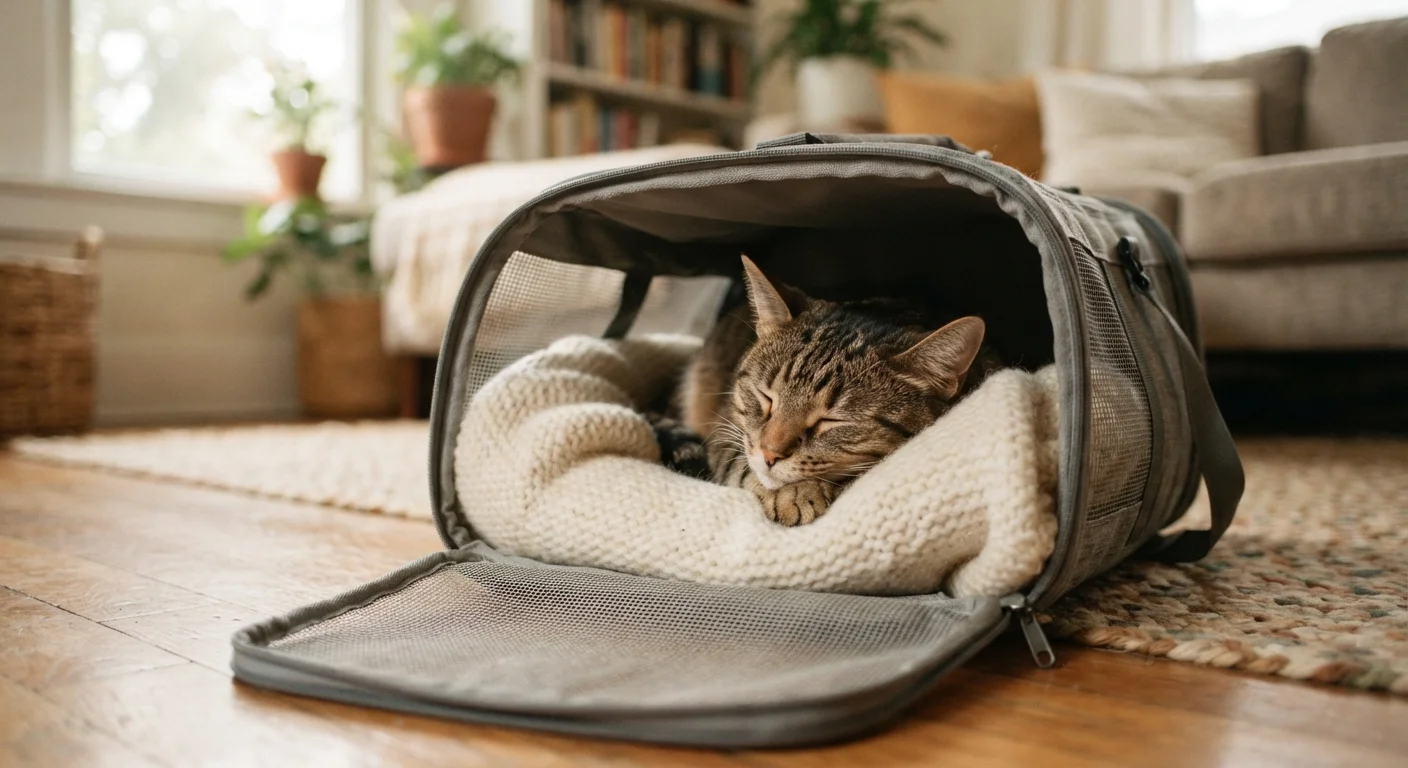
Photo credit: FaqsInsights.com | Stay Informed, Stay Ahead
In this article
Step-by-step guidance on carrier training, car desensitization, and waiting-room strategies that make vet trips calmer for everyone.
Key Takeaways
- Begin carrier and car training weeks before any scheduled appointment, not the morning of.
- Positive associations - treats, familiar scents, calm praise - rewire how pets perceive vet-related triggers.
- Your own calm body language directly influences how anxious your pet becomes.
- Simple waiting-room strategies can prevent stress from escalating before the exam even starts.
- Persistent or severe anxiety may require veterinary-guided behavioral support beyond owner training alone.
Why Vet Anxiety Happens - and Why It Compounds
Fear of the veterinary clinic is not a personality flaw in your pet - it is a learned association. Most animals visit the clinic infrequently, which means the rare trip is loaded with novel smells, sounds, and handling that they have little frame of reference for. Over time, each stressful visit reinforces the next one, creating a cycle that can be genuinely difficult to break without deliberate intervention.
Understanding what your pet is responding to matters. Anxiety at the clinic typically involves three overlapping triggers: the carrier or vehicle (transport anxiety), the environment itself (situational fear), and handling by unfamiliar people (social fear). Addressing all three - rather than hoping your pet will "get used to it" - is what actually changes the pattern. For a deeper look at how stress and anxiety manifest in pets behaviorally, see our guide to pet mental and emotional health.
What you will need
It is also worth noting that some animals experience anxiety that goes beyond what owner-led preparation can address. If your pet shows signs of severe distress - prolonged vocalization, self-injury, inability to settle - discuss this with your veterinarian before the next appointment. Behavioral support, and in some cases veterinary-prescribed interventions, may be appropriate. This is distinct from the milder apprehension that the steps below are designed to help with.
Building the Right Foundation Before Appointment Day
The most effective preparation happens in the weeks before a scheduled visit, not in the hour before you leave. The steps below focus on gradual desensitization - the process of exposing your pet to each component of a vet trip in small, manageable doses, paired consistently with positive outcomes.
Hard-sided pet carrier
Provides a stable, enclosed space that can be taken apart for easier loading and exam-table use.
High-value treats
Used to build positive associations with the carrier, car, and clinic environment through reward-based conditioning.
Familiar-scented blanket or worn clothing
A home-scented item placed inside the carrier reduces novelty stress during transport.
Pheromone spray or diffuser
Species-specific synthetic pheromone products (e.g., calming sprays formulated for cats or dogs) may help reduce travel anxiety when applied to the carrier in advance.
Non-slip mat
Placed inside the carrier to prevent sliding on smooth surfaces, which can heighten fear responses.
Make the carrier part of everyday life
Leave the carrier out in a frequently used room at least two to three weeks before the appointment. Remove the door initially, or prop it open, so your pet can explore freely. Place treats, a favorite toy, or a worn piece of your clothing inside to encourage voluntary entry. The goal is for the carrier to read as furniture, not a threat.
Practice short car trips with no destination
Once your pet enters the carrier comfortably, begin loading them into the car for 5-10 minute rides that go nowhere consequential - around the block and back home. Pair each trip with calm verbal reassurance and a treat reward immediately on return. This separates the car ride from the outcome of the vet clinic, so the journey itself stops predicting stress.
Visit the clinic without an appointment
Many veterinary practices will allow brief "happy visits" - short drop-in trips where staff greet your pet, offer treats, and send them home without any examination. Ask your clinic if they accommodate this. Even sitting in the parking lot for a few minutes and returning home can begin to dilute the negative association many pets develop with the building itself.
Prepare the carrier the night before
The evening before an actual appointment, place a blanket that smells of home inside the carrier. If your veterinarian has previously recommended a species-appropriate pheromone product, apply it to the carrier interior at this point - not immediately before loading - so the scent has time to dissipate to a non-overwhelming level. Keep the carrier accessible overnight so your pet can enter voluntarily.
Manage your own energy on appointment day
Pets are highly attuned to owner stress. Speak in an even, matter-of-fact tone rather than an over-reassuring one; excessive soothing can inadvertently signal that there is something to worry about. Move with calm efficiency when loading your pet, and avoid lengthy apologies or emotional farewells. Your composure is one of the most effective tools you have.
Navigate the waiting room strategically
Ask clinic staff if you can wait in an exam room or a quieter corner rather than the main lobby, especially if your pet reacts to other animals. Keep carriers elevated off the floor on a chair or your lap - direct eye contact with other animals at ground level can trigger fear responses. For cats specifically, covering the carrier with a lightweight cloth reduces visual stimulation without blocking airflow.
If you are working with a young or newly adopted pet, starting these habits early gives you a significant advantage. See our new pet wellness checklist for a broader framework covering first-month health habits. For owners who want to extend this kind of structured positive conditioning into other areas of their pet's life, our pre-training session checklist covers the environmental and supply foundations worth having in place first.
What to Expect Once You Are There
Even with thorough preparation, the clinic environment will require some active management. Being familiar with what actually happens during the visit can help you stay calm and support your pet through it. Our walkthrough of a standard wellness exam explains each stage of the appointment in plain terms, so nothing catches you off guard.
Let Your Vet Know What Works
Before or during the appointment, tell your veterinary team what calms your pet - whether that is being offered treats during handling, having the exam table covered with a non-slip mat, or being examined on the floor rather than elevated. Most veterinary staff are trained in low-stress handling techniques and will adapt their approach when they know what helps. A brief conversation at the start of the visit can meaningfully change how the exam goes.
After a visit that went well, keep the positive momentum going: give your pet a calm, quiet period at home to decompress rather than immediately heading into other activities. Reward-based associations do not end at the clinic door - how the rest of the day feels contributes to how your pet remembers the overall experience.
This article is for general informational purposes only and does not constitute veterinary advice. Always consult a licensed veterinarian regarding your individual pet's health, behavior, and care needs.

Author
Pets & Animals Editorial Team
Pets & Animals Editorial Team is the collective byline for our editorial team and contributor network. Articles published under this byline or an editorial pen name are researched, written, and reviewed according to our editorial standards for clarity, consistency, and independence before publication.
View all articles →