
Respecting Local Context While Traveling: What Thoughtful Visitors Actually Do
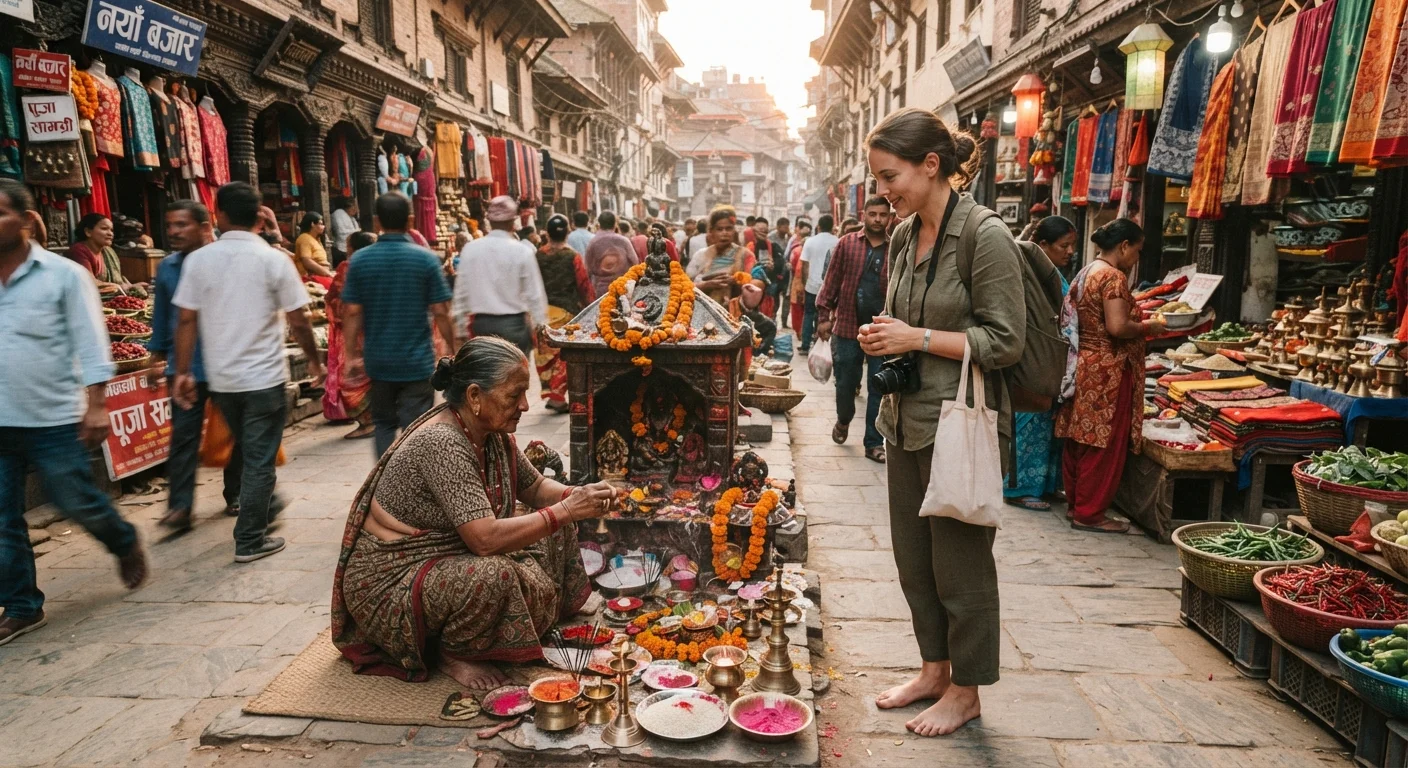
Photo credit: FaqsInsights.com | Stay Informed, Stay Ahead
In this article
From dress codes to photography etiquette to economic participation, here's how experienced travelers engage respectfully with destinations.
Key Takeaways
- Researching local dress codes, customs, and etiquette before arrival prevents unintentional disrespect.
- Asking permission before photographing people or sacred spaces is a universal standard of courtesy.
- Spending money at locally owned businesses distributes economic benefits more directly to communities.
- Learning even a few words of the local language signals genuine respect and is widely appreciated.
- Observing how locals behave in public spaces is often the most reliable real-time cultural guide.
Why Local Context Matters More Than Good Intentions
Most travelers mean well. The gap between good intentions and respectful behavior, however, is often wider than people expect - and it's typically filled by assumptions. A gesture that feels friendly at home can read as intrusive abroad. Casual attire that's unremarkable on your street may be genuinely offensive inside a place of worship.
Respecting local context isn't about anxiety or walking on eggshells. It's about recognizing that every destination has its own rhythm, values, and social norms - and that visitors who take time to understand those norms tend to have far richer experiences. They connect with people more easily, avoid awkward situations, and leave communities better rather than more burdened.
This is especially relevant if you tend to travel without a fixed plan. As explored in our guide to unplanned city travel, improvisation has real rewards - but it also demands greater situational attentiveness, particularly around cultural cues.
Photography, Observation, and the Art of Asking
A camera or phone raised without consent can feel intrusive anywhere in the world - and in many communities, it carries specific connotations around exploitation or disrespect. Before photographing individuals, especially in markets, villages, or during ceremonies, make eye contact and ask. A smile and gesture often communicate the question across language barriers. Accept a "no" gracefully.
Sacred sites, government buildings, and private ceremonies frequently prohibit photography entirely. Signage isn't always posted in English, so observing what locals are doing - or simply asking a guide - is your most reliable cue. Some locations permit photography of architecture but not of people in ritual; others restrict all imaging. These boundaries exist for meaningful reasons, and honoring them matters.
“Travel is fatal to prejudice, bigotry, and narrow-mindedness, and many of our people need it sorely on these accounts. Broad, wholesome, charitable views of men and things cannot be acquired by vegetating in one little corner of the earth all one's lifetime.”
— Mark Twain, Author, The Innocents Abroad
For broader situational awareness while exploring new environments, our article on staying safe in unfamiliar cities offers grounding principles that apply equally to cultural navigation.
Economic Participation and Community Impact
Where you spend your money shapes local communities in tangible ways. Large international chains often channel revenue out of the destination entirely, while family-run guesthouses, neighborhood restaurants, and market vendors reinvest earnings locally. That doesn't mean avoiding every international hotel - it means being deliberate about where you spend when you have a genuine choice.
It's also worth understanding that bargaining norms vary significantly. Aggressive haggling over small amounts in communities where margins are already thin can be disrespectful. In some cultures, a fixed price is standard and negotiating is unwelcome. Watching how other customers interact, or simply asking your accommodation host, helps you calibrate.
For travelers who want to avoid the logistical missteps that undermine even the most culturally aware trips, the small planning details that derail trips are worth reviewing before you go. Local holidays, for instance, can affect what's open and how communities are oriented on a given day.
Language, Dress, and Everyday Courtesy
Learning five to ten words in the local language - greetings, "please," "thank you," "excuse me" - is one of the highest-return investments a traveler can make. It signals effort and respect in a way that no amount of guidebook knowledge fully replicates. Locals across cultures consistently respond more warmly to visitors who try, even imperfectly.
Dress codes are context-dependent and worth researching destination by destination. Religious sites almost universally require modest coverage; in some regions, this applies to entire neighborhoods or towns. Many temples and mosques provide wraps at the entrance, but relying on that assumes availability. Checking in advance - particularly if you're visiting destinations where customs differ significantly from your home country - prevents situations where you're turned away or feel conspicuous.
Dress Codes Vary Even Within a Destination
In many countries, expectations shift significantly between urban and rural areas, or between tourist districts and residential neighborhoods. A coastal resort town may be relaxed about attire, while an inland village an hour away expects considerably more modesty. It's worth checking norms at the specific places you plan to visit rather than applying a single standard to an entire country.
Resources like our guide to common first-time misconceptions about India illustrate how specific and sometimes unexpected cultural norms can be - even for experienced travelers. The same level of preparation pays off across nearly every destination.
For ongoing practical guidance, the Travel Tips hub and our Trip Planning resources offer frameworks you can return to before each trip.

Author
Travel & Trips Editorial Team
Travel & Trips Editorial Team is the collective byline for our editorial team and contributor network. Articles published under this byline or an editorial pen name are researched, written, and reviewed according to our editorial standards for clarity, consistency, and independence before publication.
View all articles →