
The Coastal Towns of the Yucatán Peninsula: What Each One Is Actually Like
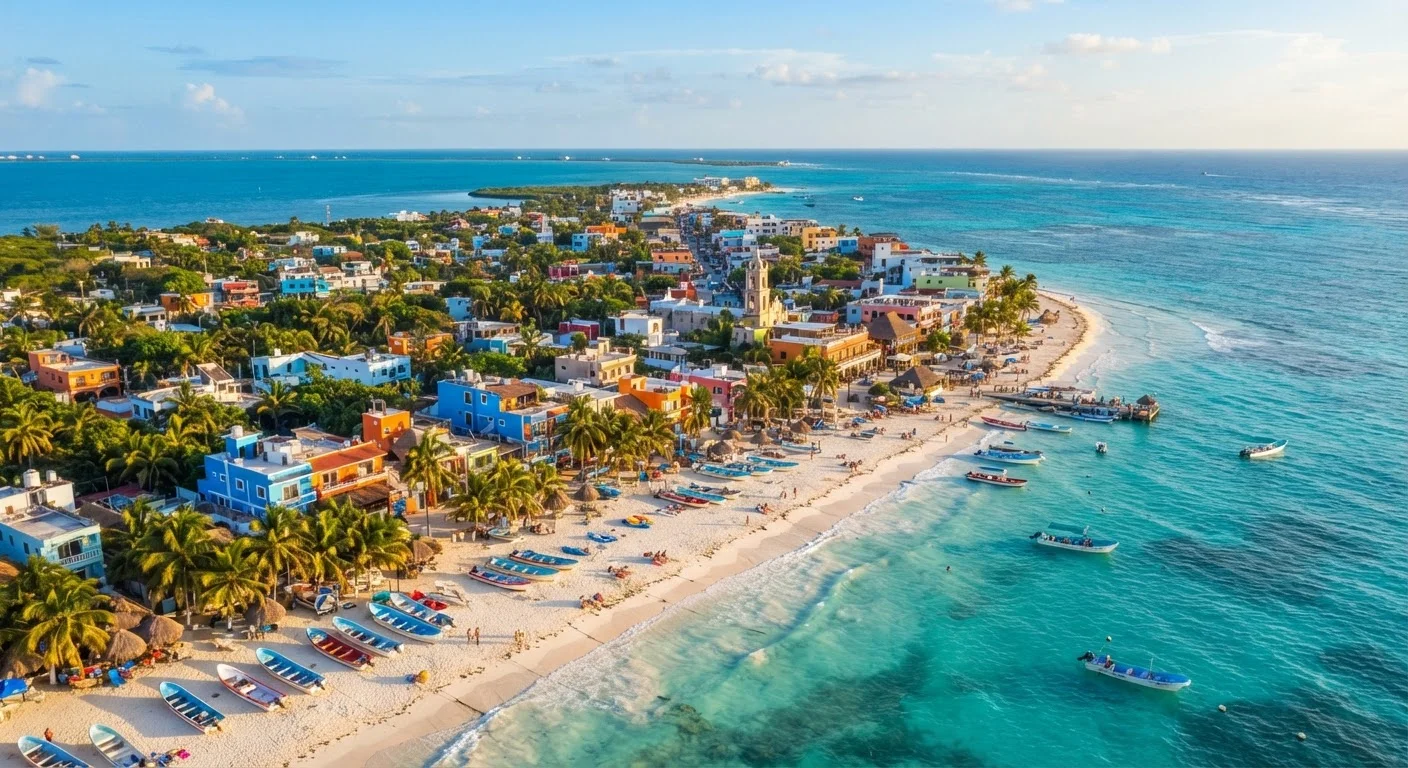
Photo credit: FaqsInsights.com | Stay Informed, Stay Ahead
In this article
Tulum, Holbox, Isla Mujeres, and Bacalar each attract a different traveler. Here's a grounded look at what to expect from each.
Key Takeaways
- Each Yucatán coastal town has a genuinely distinct atmosphere, price point, and type of traveler it attracts.
- Tulum suits design-conscious visitors who want nightlife, cenotes, and Instagram-worthy aesthetics nearby.
- Holbox is a car-free island with unpaved streets, ideal for low-key nature seekers who can tolerate basic infrastructure.
- Isla Mujeres balances easy accessibility from Cancún with a relaxed, walkable village atmosphere.
- Bacalar, centered on its freshwater lagoon, rewards slower travelers and those avoiding the typical beach-resort scene.
Why the Yucatán's Coast Deserves a More Careful Look
Most travelers arrive on the Yucatán Peninsula with one destination already booked and little sense of what lies nearby. Cancún anchors the north; Tulum has dominated travel media for years. But the peninsula's Caribbean and Gulf-facing coastline is far more varied than any single headline suggests - and choosing the wrong town for your travel style can leave you genuinely frustrated rather than refreshed.
These four destinations - Tulum, Holbox, Isla Mujeres, and Bacalar - each pull a different crowd for real reasons. Understanding those reasons before you go is far more useful than any "hidden gem" hype. Just as the Greek Islands reward travelers who research their differences, so does the Yucatán coast.
Tulum: Stylish, Crowded, and Expensive for What It Is
Tulum has evolved rapidly from a backpacker haunt into one of Latin America's most photographed destinations. The town now splits into two distinct zones: the pueblo (downtown), where locals live and budget options still exist, and the hotel zone stretching along the coast, where boutique eco-chic resorts command prices that rival major international cities.
Visitors come for the combination of Caribbean beach access, nearby Mayan ruins perched above the sea, a dense network of freshwater cenotes (natural limestone sinkholes ideal for swimming), and a nightlife and wellness scene that stays busy year-round. The aesthetic - thatched roofs, raw wood, ambient lighting - is pervasive and deliberate.
The downsides are real: the beach road is notoriously dangerous for cyclists and pedestrians, infrastructure has struggled to keep pace with tourism growth, and what once felt bohemian now feels heavily commercialized. Travelers who expect a quiet beach village will be disappointed. Those who want structured access to nature, design-forward accommodation, and active evenings will find plenty to justify the cost.
Tulum rewards travelers who want cenotes, ruins, and nightlife - not those chasing a quiet village escape.
Holbox: Car-Free and Genuinely Rustic
Holbox (pronounced roughly "Hol-bosh") sits off the northwestern tip of the Yucatán, accessible only by ferry from the small port town of Chiquilá. No cars circulate on the island's sandy streets - transport is by golf cart, bicycle, or foot. The water here is shallow, calm, and a vivid mix of turquoise and green rather than the deep blue of the Caribbean coast.
The main draw changes by season. Between roughly May and September, whale sharks gather in nearby waters, drawing snorkelers from around the world. Flamingos are visible in the lagoon area. The beaches are wide and mostly uncrowded, and the vibe is genuinely unhurried.
Travelers should arrive with adjusted expectations. Sand streets flood during heavy rain. Mosquitoes can be intense, particularly in wetter months. Accommodation quality varies widely, and power outages occur. The island suits travelers who prioritize natural wildlife access and slow days over polished infrastructure - and who won't resent the limitations that come with remoteness.
Holbox's car-free sandy streets and whale shark season reward nature-focused travelers willing to accept basic infrastructure.
Isla Mujeres: Accessible Village Energy Just Off Cancún
Isla Mujeres lies roughly 8 miles off the coast of Cancún, reached by a short passenger ferry. That proximity is its defining characteristic: it offers a small-town Caribbean atmosphere while remaining easy to reach for travelers already based in or transiting through Cancún.
The island is narrow enough to cross by foot in minutes. The main street, Hidalgo, is pedestrian-friendly and lined with colorful buildings, seafood restaurants, and small shops. The northern beach, Playa Norte, is consistently cited as one of the more swimmable beaches in the region - calm, shallow, and well-maintained.
Isla Mujeres is not undiscovered. Day-trippers from Cancún arrive in waves, and the main town can feel busy midday. Staying overnight dramatically changes the experience - the island quiets considerably after the ferries thin out in the evening. It works particularly well as a base for snorkeling the nearby coral reef system, or as a less hectic alternative to Cancún for families and first-time visitors to the region.
Isla Mujeres earns its reputation by balancing easy Cancún access with a genuine village scale that day-trippers miss by leaving too soon.
Bacalar: A Freshwater Lagoon Town for Slower Travelers
Bacalar sits inland from the Caribbean coast near the Belize border, centered on the Laguna de Bacalar - a 26-mile freshwater lagoon known for its layered bands of color, ranging from deep blue to pale turquoise to green depending on depth and sediment. The name "Lake of Seven Colors" is a common local description, though the actual palette shifts with weather and light.
The town itself is small, with a restored Spanish fort, a low-key central plaza, and a growing strip of boutique hotels and restaurants along the western shore. Development has accelerated, but Bacalar still reads as a genuine small Mexican town rather than a purpose-built tourist zone.
The experience here is primarily about the lagoon: kayaking, sailing, swimming from docks and platforms, and watching the water change color through the day. There are no major Mayan ruins immediately adjacent, and nightlife is minimal. The audience is travelers who want extended time on calm, clear water in a setting that still feels local - and who don't mind the roughly 3.5-hour drive or bus journey from Cancún.
Bacalar's 26-mile freshwater lagoon is one of the Yucatán's most distinctive environments - and still feels unhurried compared to the coast.
How to Decide Which One Fits Your Trip
The honest answer is that none of these towns is universally "worth it." Holbox's rustic charm is a dealbreaker for travelers who need reliable air conditioning and fast Wi-Fi. Tulum's price tags frustrate budget-conscious visitors who expected a laid-back Mexican village. Bacalar's distance makes it poorly suited to short trips - if you're weighing that question, the real trade-offs between short trips and extended travel are worth understanding before you book.
Match Your Travel Pace to the Destination
Tulum and Isla Mujeres work reasonably well for shorter stays of two to four nights. Holbox and Bacalar tend to reveal themselves slowly - arriving for just one night often means leaving before the place makes sense. If your schedule is tight, factor travel time carefully: Bacalar in particular involves a meaningful journey from Cancún that makes a single-day visit impractical.
Infrastructure, seasonality, and safety conditions on the Yucatán Peninsula can shift. Always verify current travel advisories, entry requirements, and local conditions through official government sources before finalizing plans.

Author
Travel & Trips Editorial Team
Travel & Trips Editorial Team is the collective byline for our editorial team and contributor network. Articles published under this byline or an editorial pen name are researched, written, and reviewed according to our editorial standards for clarity, consistency, and independence before publication.
View all articles →