
Contingency Planning: The Part of Trip Prep Most People Skip
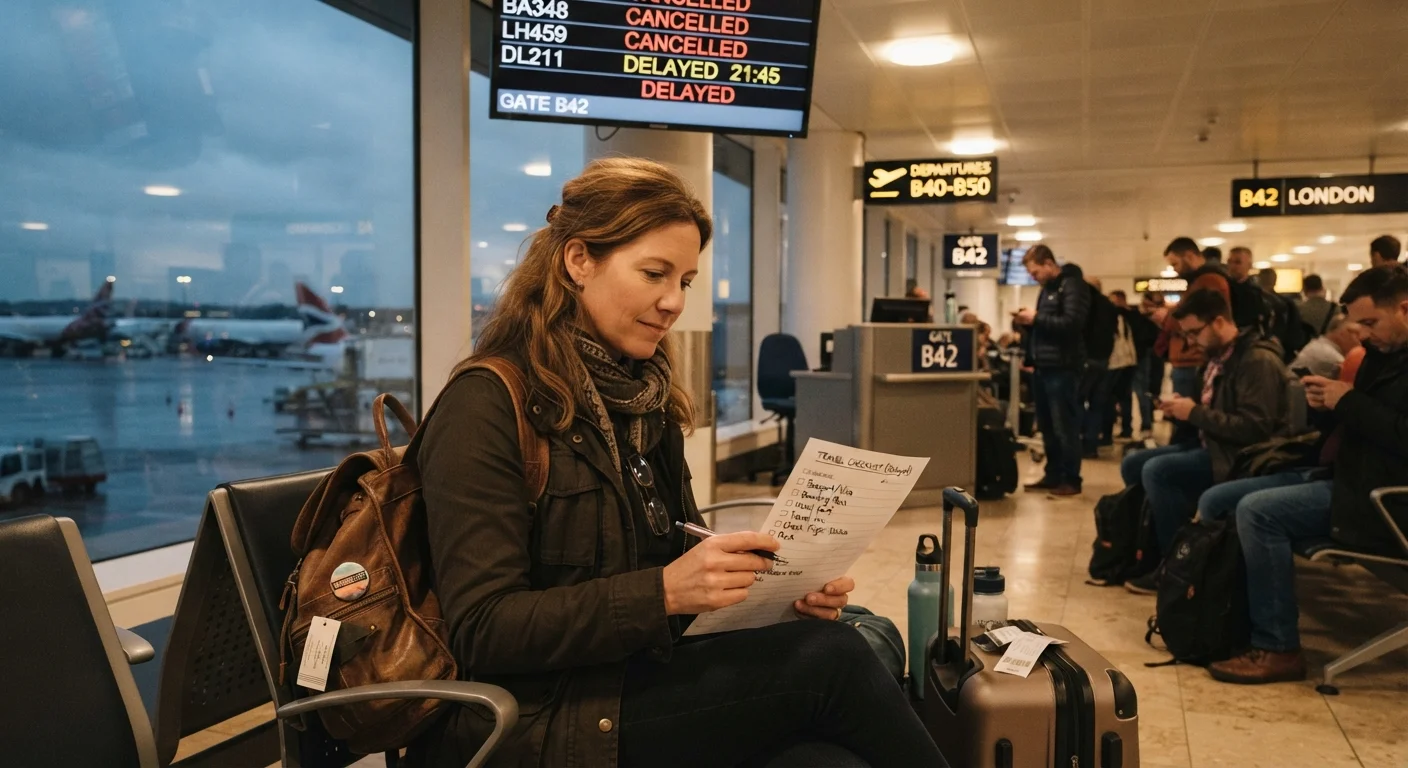
Photo credit: FaqsInsights.com | Stay Informed, Stay Ahead
In this article
What to prepare for when things go wrong — delayed flights, lost documents, medical situations — and how to handle each without panic.
Key Takeaways
- Contingency planning means preparing responses to likely disruptions before you leave home.
- Flight delays, lost documents, and medical situations are the three most common travel crises.
- Digital and physical copies of key documents stored separately can prevent a lost passport from becoming a catastrophe.
- A modest emergency travel fund — separate from your trip budget — provides real flexibility when plans unravel.
- Travel insurance can cover significant costs, but you must understand what is and isn't included before purchasing.
Why Most Travelers Skip This Step
Trip planning is exciting. Booking flights, mapping out restaurants, building the perfect itinerary — these are the parts travelers invest hours in. Contingency planning is the less glamorous twin: it asks you to imagine things going wrong before you've even left. No surprise, then, that most people skip it entirely.
But disruptions aren't rare. According to the Bureau of Transportation Statistics, roughly 20% of US domestic flights arrive late in a typical year, and weather events, airline staffing issues, and international incidents can compound delays into full-blown crises. The reasons carefully laid plans unravel on the road often have less to do with bad luck and more to do with gaps in preparation. Contingency planning closes those gaps.
~20%
US domestic flights arriving late annually
Bureau of Transportation Statistics data from recent years consistently shows roughly one in five domestic flights arriving behind schedule.
1 in 3
Travelers who experience a disruption per trip
Industry surveys from travel insurers suggest a significant portion of travelers encounter at least one meaningful disruption per trip, ranging from delays to lost items.
$0
Cost to enroll in STEP before international travel
The US State Department's Smart Traveler Enrollment Program is free and connects travelers with the nearest embassy in an emergency.
The Three Scenarios Worth Preparing For
You can't plan for every possible setback, but three categories cover the vast majority of travel crises travelers actually face.
Flight Disruptions
Delays and cancellations cascade. A missed connection can mean a lost hotel night, a skipped event, or a stranded evening in an unfamiliar airport. Before departure, note your airline's rebooking policy, download their app, and identify alternative flight options on your route. If you're traveling internationally, check whether your credit card offers travel delay protection — many do, though coverage varies.
Lost or Stolen Documents
A missing passport can turn a dream trip into a bureaucratic marathon. Register with the US Department of State's Smart Traveler Enrollment Program (STEP) before any international trip — it's free, takes minutes, and connects you with the nearest embassy automatically. Store digital copies of all critical documents in a secure, accessible cloud folder, and email a set to a trusted person at home. See our complete pre-trip checklist for a full document prep guide.
Medical Situations
Even minor illness can derail a trip when you're abroad and unfamiliar with local healthcare systems. Research the general healthcare landscape of your destination in advance. Note the local emergency number (it isn't always 911). Carry a brief written summary of any existing medical conditions and current medications — in English and, if possible, the local language. Always consult your own healthcare provider before traveling if you have ongoing health conditions.
This article provides general travel information and is not a substitute for professional medical advice. Consult a qualified healthcare professional for guidance specific to your health situation.
Register with STEP Before Every International Trip
The US State Department's Smart Traveler Enrollment Program (STEP) is free and takes about five minutes to complete. It alerts the nearest US embassy to your presence in a country, making emergency document replacement and crisis communication significantly faster. Visit travel.state.gov to enroll before your next international departure.
Building Your Contingency Kit
A contingency kit isn't a bag of supplies — it's a set of decisions made in advance so you don't have to think clearly under pressure.
- Emergency fund: Set aside 10–15% of your trip budget in an accessible account, separate from your travel spending. A card with no foreign transaction fees and wide ATM access is worth having for this purpose.
- Document backups: Physical copies in your checked luggage, digital copies in the cloud, and a set emailed to a contact at home. All three, not just one.
- Key contacts list: Your airline's direct rebooking number, your travel insurance claims line, the nearest US embassy or consulate for each country you'll visit, and a local emergency contact if applicable.
- Insurance clarity: If you have travel insurance, read the policy before you go. Know what's covered, what the claim process looks like, and what documentation you'll need to gather during a disruption.
- Flexibility buffer: Avoid scheduling flights with less than two hours of connection time, and don't book non-refundable activities the morning after a long international flight.
These are small, low-effort moves during planning that pay outsized dividends mid-crisis. For a structured way to work through your full pre-travel prep, the pre-departure checklist every traveler should run through is a practical place to start.
The Mindset Shift That Makes It All Work
Good contingency planning isn't pessimistic — it's what allows you to be genuinely spontaneous and relaxed on the road. When you know you have a plan for the three or four things most likely to go wrong, the mental load of travel drops considerably. You stop white-knuckling tight connections and start enjoying the journey.
The small logistical details that quietly derail well-planned trips — time zone math, local holidays closing services, transit gaps — are exactly the kind of thing contingency thinking catches. Pairing that awareness with a clear set of backup responses is what separates experienced travelers from stressed ones.
Start with the three scenarios above. Add one emergency contact list. Set aside a buffer fund. That's already more than most travelers do — and it might be the difference between a setback and a story you laugh about later.
Travel Insurance: Read Before You Need It
Travel insurance policies vary enormously in what they cover — trip cancellation, medical evacuation, lost luggage, and delay reimbursement may each have separate sub-limits, exclusions, or documentation requirements. The worst time to learn what your policy does and doesn't cover is mid-disruption. Set aside 15 minutes before departure to read the key sections of your policy and note the claims contact number separately.
Frequently Asked Questions

Author
Travel & Trips Editorial Team
Travel & Trips Editorial Team is the collective byline for our editorial team and contributor network. Articles published under this byline or an editorial pen name are researched, written, and reviewed according to our editorial standards for clarity, consistency, and independence before publication.
View all articles →