
Certified Pre-Owned vs. Standard Used: What the Label Actually Guarantees
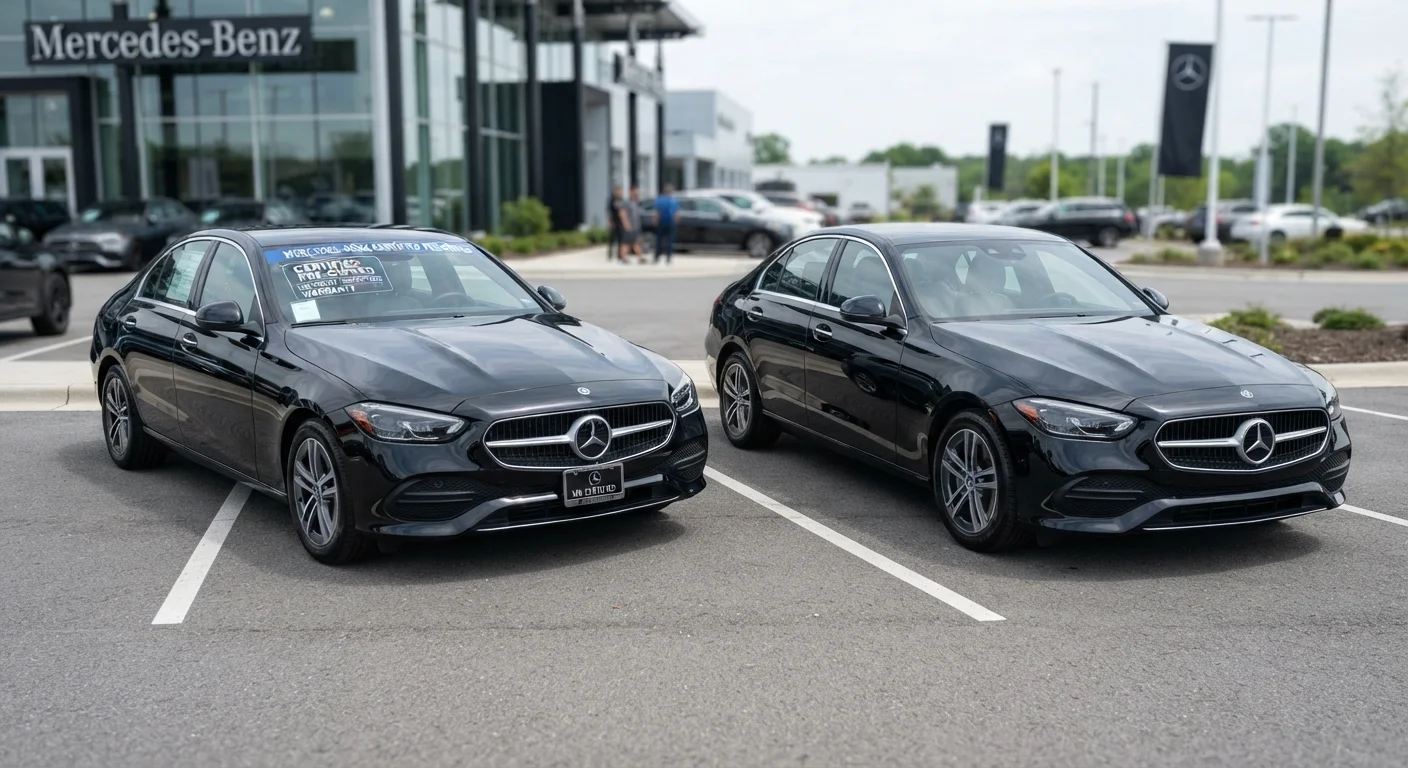
Photo credit: FaqsInsights.com | Stay Informed, Stay Ahead
In this article
CPO programs vary widely by manufacturer. Understand what inspections and coverage they typically include — and what they don't.
Key Takeaways
- CPO programs are manufacturer-specific - coverage depth, mileage limits, and inspection checklists vary significantly.
- A CPO badge does not automatically mean the vehicle is problem-free; the quality of the inspection matters.
- Standard used vehicles carry no guaranteed inspection or warranty unless the seller provides one separately.
- CPO vehicles typically cost more upfront than comparable standard used options.
- An independent pre-purchase inspection is valuable regardless of which label a vehicle carries.
What 'Certified Pre-Owned' Actually Means
The term Certified Pre-Owned (CPO) is not a federally regulated standard. Each automaker - and in some cases each dealership - defines its own CPO program, which means the label alone doesn't tell you everything you need to know. That said, manufacturer-backed CPO programs do share a common framework: a multi-point inspection, refurbishment of identified issues, and some form of limited warranty extension.
Most manufacturer CPO programs require a vehicle to fall within a certain age and mileage window (commonly under six years old and under 80,000 miles, though specifics vary) and to pass an inspection checklist that can range from 100 to over 170 points depending on the brand. Vehicles that don't pass are either repaired to meet the standard or removed from the program entirely.
Critically, the warranty attached to a CPO vehicle typically extends the original manufacturer's powertrain coverage or adds a new limited term. Some programs also include roadside assistance, loaner vehicles, or trip interruption benefits. Reading the specific program's terms - not just the label on the windshield - is the only way to know what you're actually getting. See our comparison of new and used vehicle trade-offs for broader context on how warranties factor into the buying decision.
Dealer-Certified vs. Manufacturer-Certified
Some dealerships apply their own 'certified' label to used vehicles that haven't gone through a manufacturer's official CPO program. These dealer-certified vehicles may have less rigorous inspection standards and no manufacturer-backed warranty. When evaluating a CPO vehicle, confirm whether the certification comes from the manufacturer directly or from the selling dealership alone, as the protections involved can differ substantially.
What a Standard Used Vehicle Does and Doesn't Promise
A standard used vehicle - whether purchased from an independent dealer or a private seller - comes with no guaranteed inspection or warranty unless one is explicitly offered and documented in writing. Most private-party sales are transacted as-is, meaning the buyer accepts the vehicle in its current condition with no recourse if problems emerge shortly after purchase.
Independent dealers sometimes offer their own limited warranties or inspection records, but these are entirely voluntary and their depth varies widely. Without a structured program behind them, these assurances depend entirely on the seller's standards and honesty.
This doesn't mean a standard used vehicle is a bad choice. It means the burden of due diligence shifts more squarely onto the buyer. Arranging an independent pre-purchase inspection is one of the most effective steps a buyer can take - something worth doing even on CPO vehicles. Our guide on questions to ask during a pre-purchase inspection covers what to focus on when working with an independent mechanic.
| Criterion | Certified Pre-Owned | Standard Used |
|---|---|---|
| Inspection requirement | Structured multi-point checklist (varies by program) | None required; entirely at seller's discretion |
| Warranty coverage | Limited warranty included (terms vary by manufacturer) | None unless explicitly provided by seller |
| Eligibility limits | Age and mileage caps set by each program | No restrictions; any vehicle qualifies |
| Typical price | Higher than equivalent standard used | Lower; reflects absence of program costs |
| Available from | Franchised (brand) dealerships only | Dealers, independent lots, private sellers |
| Vehicle history documentation | Generally provided as part of program | Varies; buyer should request independently |
Price Premium and Real-World Value
CPO vehicles typically command a higher price than equivalent standard used vehicles - often several hundred to a few thousand dollars more, depending on the vehicle type, program, and remaining warranty term. Whether that premium is worth paying depends on several factors specific to the buyer's situation.
For buyers who place high value on predictable near-term repair costs or who lack confidence evaluating a used vehicle independently, the CPO structure offers something tangible. For buyers who would otherwise pay for an extended warranty anyway, folding that coverage into a CPO purchase may not represent a significant additional cost.
170+
Inspection points in some CPO programs
Manufacturer CPO checklists range broadly; some cover over 170 items while others inspect fewer than 120, underscoring the importance of reviewing program specifics.
~80,000 mi
Common CPO mileage ceiling
Many manufacturer programs cap CPO eligibility around 80,000 miles, though exact thresholds differ by brand and model year.
On the other hand, buyers who are mechanically informed, have access to a trusted mechanic, and are comfortable with some residual risk may find standard used vehicles deliver stronger overall value. The persistence of car-buying myths is worth keeping in mind here: the assumption that CPO always means better value isn't universally true. Program quality, vehicle history, and the specific terms on offer all matter more than the label itself.
This article is for general informational purposes only. Individual vehicle condition, program terms, and market pricing vary widely. Always review program documentation carefully and consider consulting a qualified mechanic before any used vehicle purchase.

Author
Cars & Driving Editorial Team
Cars & Driving Editorial Team is the collective byline for our editorial team and contributor network. Articles published under this byline or an editorial pen name are researched, written, and reviewed according to our editorial standards for clarity, consistency, and independence before publication.
View all articles →