
Questions Worth Asking During a Pre-Purchase Vehicle Inspection
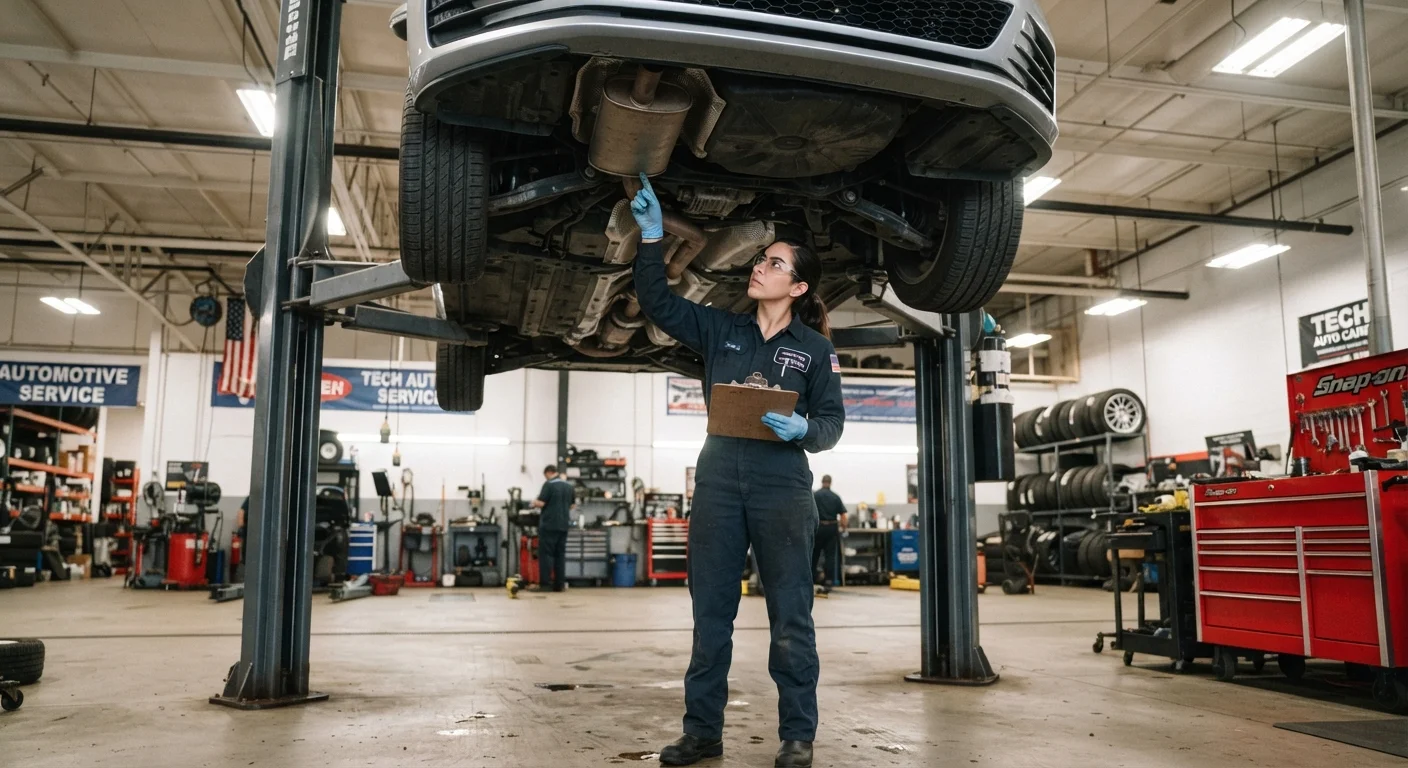
Photo credit: FaqsInsights.com | Stay Informed, Stay Ahead
In this article
An independent mechanic's inspection can reveal a lot — if you ask the right questions. Here's what to focus on.
Why the Right Questions Matter
A pre-purchase vehicle inspection (PPI) is one of the most valuable steps you can take before buying a used car. But the inspection's usefulness depends heavily on what you ask the mechanic when they're done. A generic thumbs-up or thumbs-down tells you very little. A structured conversation - focused on specific systems, repair costs, and safety implications - gives you the information you need to negotiate, walk away, or buy with confidence.
This guide outlines the questions most worth raising with an independent mechanic after they've completed a PPI. If you haven't yet scheduled that inspection, see our dealership preparation checklist for steps to take before you even reach this stage.
Questions About Structural and Safety Condition
Start with the issues that can't be easily fixed or that affect occupant safety. These findings should carry the most weight in your decision.
- Is there evidence of prior collision damage or frame repair? Ask specifically whether the mechanic found signs of body filler, overspray, misaligned panels, or welded frame sections. Structural repairs vary widely in quality, and improper repairs can compromise crash safety.
- Are any safety systems - airbags, ABS, traction control - showing fault codes or signs of tampering? A scan tool can surface stored codes that sellers sometimes clear before a sale.
- How is the condition of the brakes, tires, and suspension? Ask for remaining brake pad depth, tire tread readings, and whether any suspension components showed play or wear. These directly affect stopping distance and handling.
Pre-Purchase Inspection (PPI)
An evaluation of a used vehicle performed by an independent mechanic before a buyer completes a purchase. The goal is to identify mechanical, structural, or safety issues that aren't obvious from a test drive.
OBD-II Diagnostic Scan
A computerized check of a vehicle's onboard diagnostic system using a scan tool. It reads stored fault codes from the engine, transmission, and other systems - even codes the seller may have cleared before the sale.
Deferred Maintenance
Routine service that has been skipped or delayed beyond the manufacturer's recommended intervals. Accumulated deferred maintenance can accelerate wear on major components and lead to costly repairs.
Frame Damage
Structural damage to the vehicle's chassis or unibody, often resulting from a significant collision. Improperly repaired frame damage can compromise crash safety and affect handling alignment.
For context on how seasonal driving conditions interact with these systems, our winter vehicle prep guide covers what to look for year-round.
Questions About Mechanical Health and Upcoming Costs
Beyond safety, you want a clear picture of what repairs or maintenance the car will need in the near term - and what they're likely to cost.
- What did the mechanic find that needs attention now versus later? Ask them to categorize findings: immediate safety concerns, items to address within the next few months, and longer-term wear items to monitor.
- What's a realistic cost estimate for the repairs flagged? Even rough figures help you decide whether to negotiate a price reduction or walk away entirely.
- Are there signs of deferred maintenance? Look for evidence that routine service - oil changes, coolant flushes, transmission service - has been skipped. Neglected maintenance shortens the life of major components.
- Does the engine show signs of oil leaks, coolant mixing, or excessive wear? Blue smoke on startup, a milky dipstick, or persistent oil seepage can signal expensive problems ahead.
~1 in 3
Used cars with unreported accident history
Vehicle history reports frequently surface prior damage not disclosed by sellers, underscoring the value of an independent inspection.
$500-$3,000+
Average repair cost for common hidden defects
Issues like oil leaks, suspension wear, and brake system problems are among the most frequently flagged in pre-purchase inspections.
Once you own the vehicle, staying on top of upkeep becomes your responsibility. Our guide for new car owners outlines the key service intervals to track.
Questions About History and Documentation
The mechanic can only evaluate what's physically in front of them. Pair their findings with targeted questions about the car's documented history.
- Does the reported mileage look consistent with the vehicle's wear? A mechanic can often tell if pedal rubber, seat bolsters, or interior wear doesn't match the odometer reading.
- Are there signs of flood damage? Waterlines, musty odors, rust in unusual places, or corroded electrical connectors are red flags. Flood-damaged vehicles can have persistent electrical problems that are difficult to diagnose and expensive to fix.
- Does anything suggest the vehicle was used commercially or as a fleet car? Taxis, rideshares, and fleet vehicles typically accumulate hard miles even if total mileage appears moderate.
If the vehicle carries a certified pre-owned label, verify what that actually covers - CPO programs vary more than most buyers realize.
Vehicle History Reports Are a Starting Point, Not a Guarantee
Reports from history services can reveal title issues, reported accidents, and odometer discrepancies - but they only reflect what has been officially reported. A private-party fender repair or flood damage that was never insurance-claimed may not appear. A physical inspection by a qualified mechanic remains the most reliable way to assess a vehicle's actual condition.

Author
Cars & Driving Editorial Team
Cars & Driving Editorial Team is the collective byline for our editorial team and contributor network. Articles published under this byline or an editorial pen name are researched, written, and reviewed according to our editorial standards for clarity, consistency, and independence before publication.
View all articles →