
How Depreciation Works - and Why It Shapes Every Car Purchase
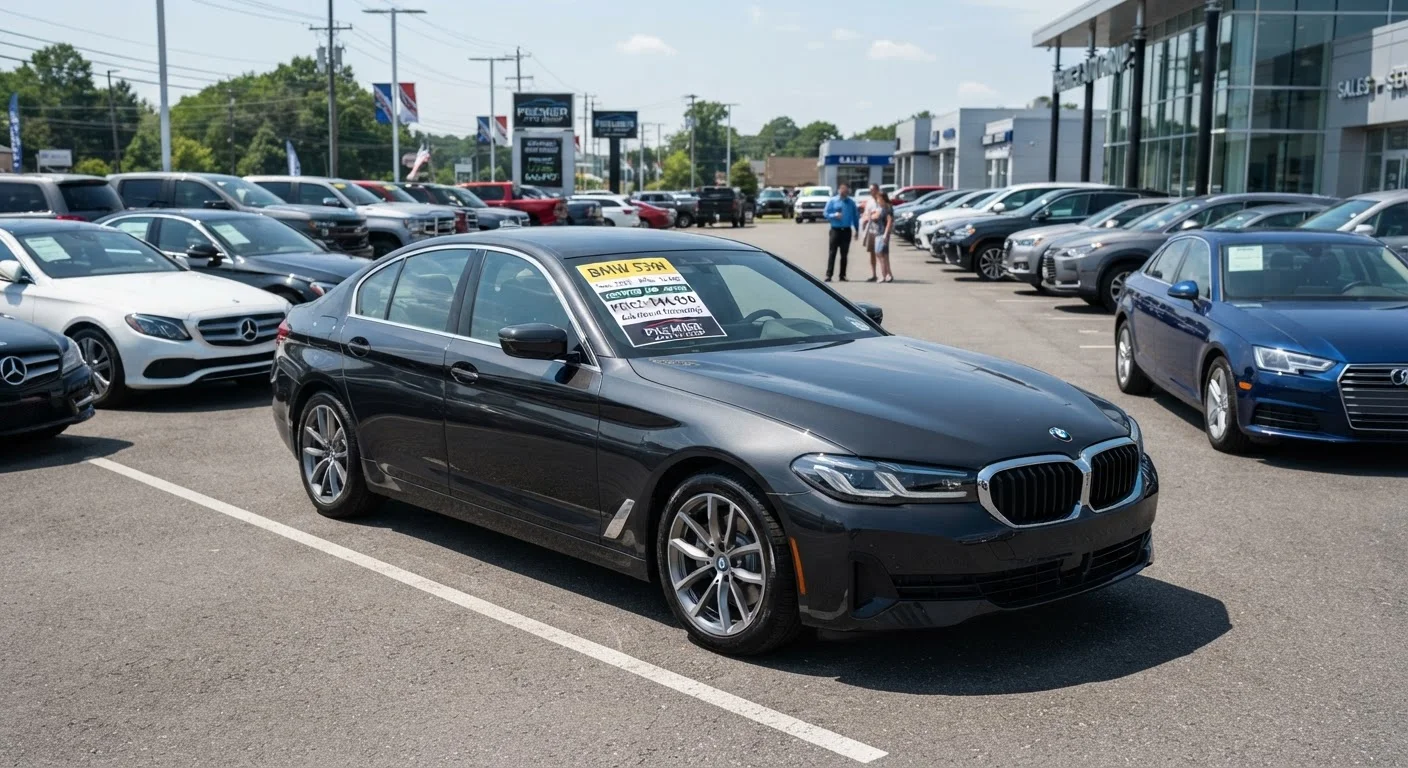
Photo credit: FaqsInsights.com | Stay Informed, Stay Ahead
In this article
A car's value drops the moment it leaves the lot. Here's what depreciation curves look like and why they matter to buyers.
Key Takeaways
- New cars typically lose 15-25% of their value in the first year alone.
- The steepest depreciation usually occurs within the first three years of ownership.
- Depreciation affects not just resale value but also how much equity you hold on a financed vehicle.
- Vehicle type, mileage, condition, and market demand all influence how quickly a car loses value.
- Understanding depreciation helps buyers decide between new and used vehicles more confidently.
The Depreciation Curve: How Value Drops Over Time
Car depreciation doesn't happen at a steady, predictable rate - it follows a curve, steepest at the beginning and gradually flattening as the vehicle ages. A new car typically loses the most value in its first year, with estimates commonly ranging from 15% to 25% of the original purchase price. By the end of year three, cumulative losses can reach 40-50% in many vehicle segments.
After that initial plunge, the curve begins to level off. A five-year-old car depreciates more slowly than a one-year-old car, largely because the market has already priced in the major early losses. This pattern is consistent across most vehicle categories, though the exact trajectory varies significantly by type, demand, and condition.
15-25%
First-year value loss on a new car
Industry valuation sources consistently estimate new vehicles lose between 15% and 25% of their purchase price within the first twelve months.
~50%
Cumulative depreciation by year five
Many vehicles lose close to half their original value within five years, though rates vary significantly by segment, mileage, and market demand.
Year 1-3
Period of steepest depreciation
The first three years typically account for the largest share of a vehicle's lifetime value loss, making early ownership the highest-depreciation window.
Understanding this curve matters whether you're buying new, buying used, or planning a trade-in. The shape of depreciation is what makes a two- or three-year-old vehicle an appealing middle ground for many buyers - newer enough to carry modern features and remaining manufacturer warranty coverage, yet past the worst of the value drop.
What Drives Depreciation: Key Factors Buyers Should Know
Depreciation isn't random. Several factors consistently influence how quickly - or slowly - a vehicle loses value:
- Vehicle type: Trucks and SUVs with high consumer demand have historically held value better than some sedans. That said, market shifts - such as changes in fuel prices or buyer preferences - can alter these trends.
- Mileage: High mileage accelerates depreciation by signaling greater mechanical wear. Most valuation models use average annual mileage (roughly 12,000-15,000 miles) as a baseline.
- Condition: Vehicles with clean histories, no accident records, and well-documented maintenance typically depreciate more slowly than comparable cars with damage history.
- Brand perception and reliability reputation: Consumer perception of a brand's long-term reliability tends to be reflected in resale values. Vehicles associated with lower ownership costs often retain value longer.
- Market supply and demand: External factors - including inventory shortages or economic shifts - can temporarily compress depreciation rates or even cause certain used vehicles to appreciate for a period.
Check the Vehicle History Before Valuing a Used Car
Accident history, prior use (rental, fleet, personal), and service records all influence a used vehicle's real-world depreciation. Obtaining a vehicle history report before purchase gives you a clearer picture of what the car is actually worth - and can surface issues that aren't visible during a standard inspection.
For a fuller picture of how these trade-offs play out in real buying decisions, see our guide to new vs. used vehicle differences.
Why Depreciation Has Real Financial Consequences
Depreciation isn't just an abstract concept - it directly shapes your financial position during and after ownership. When you finance a vehicle, your loan balance decreases on a scheduled repayment curve, while the car's value declines on a depreciation curve. In the early months, these two lines often don't move in sync.
If depreciation outpaces your loan paydown - which is common with long loan terms or minimal down payments - you can end up underwater, or in negative equity. This means your car is worth less than you owe on it. If the vehicle is totaled in an accident or you need to sell unexpectedly, you could owe money even after the insurance payout or sale proceeds are applied.
This dynamic makes down payment size and loan term length important decisions - not just interest rate comparisons. Our overview of financing options breaks down how these choices typically play out for buyers.
For a full walk-through of how depreciation fits into the broader purchase process, see The Car-Buying Process, Start to Finish.
Using Depreciation Knowledge to Buy More Confidently
Armed with an understanding of how depreciation works, buyers can approach the market more strategically - without being paralyzed by it. Some practical considerations:
- A vehicle that is two to three years old has typically absorbed the steepest losses while often retaining much of its functional life. This can represent a different value proposition than buying new, though condition and history always matter.
- If you're buying new, a longer ownership horizon reduces the per-year cost impact of early depreciation - the losses are real, but they're spread across more years of use.
- Trade-in timing matters. Trading a vehicle in the third or fourth year typically means absorbing a significant depreciation hit. The longer you hold past that initial curve, the less depreciation influences each additional year's cost.
- Loan terms extending beyond the typical three-to-five-year range can increase the risk of negative equity during the steepest depreciation window.
Depreciation is one of several factors - alongside reliability, financing terms, and intended use - that inform a well-rounded car purchase. It's also worth reading our look at persistent car-buying myths to separate common assumptions from what evidence actually shows.
“The price you pay for a vehicle and the value it holds are two different numbers - and understanding the gap between them is essential to making a sound purchase decision.”
— Cars & Driving Editorial Team, Automotive consumer guidance editors
Frequently Asked Questions

Author
Cars & Driving Editorial Team
Cars & Driving Editorial Team is the collective byline for our editorial team and contributor network. Articles published under this byline or an editorial pen name are researched, written, and reviewed according to our editorial standards for clarity, consistency, and independence before publication.
View all articles →