
Seasonal Garden Maintenance Checklist for Spring Through Winter
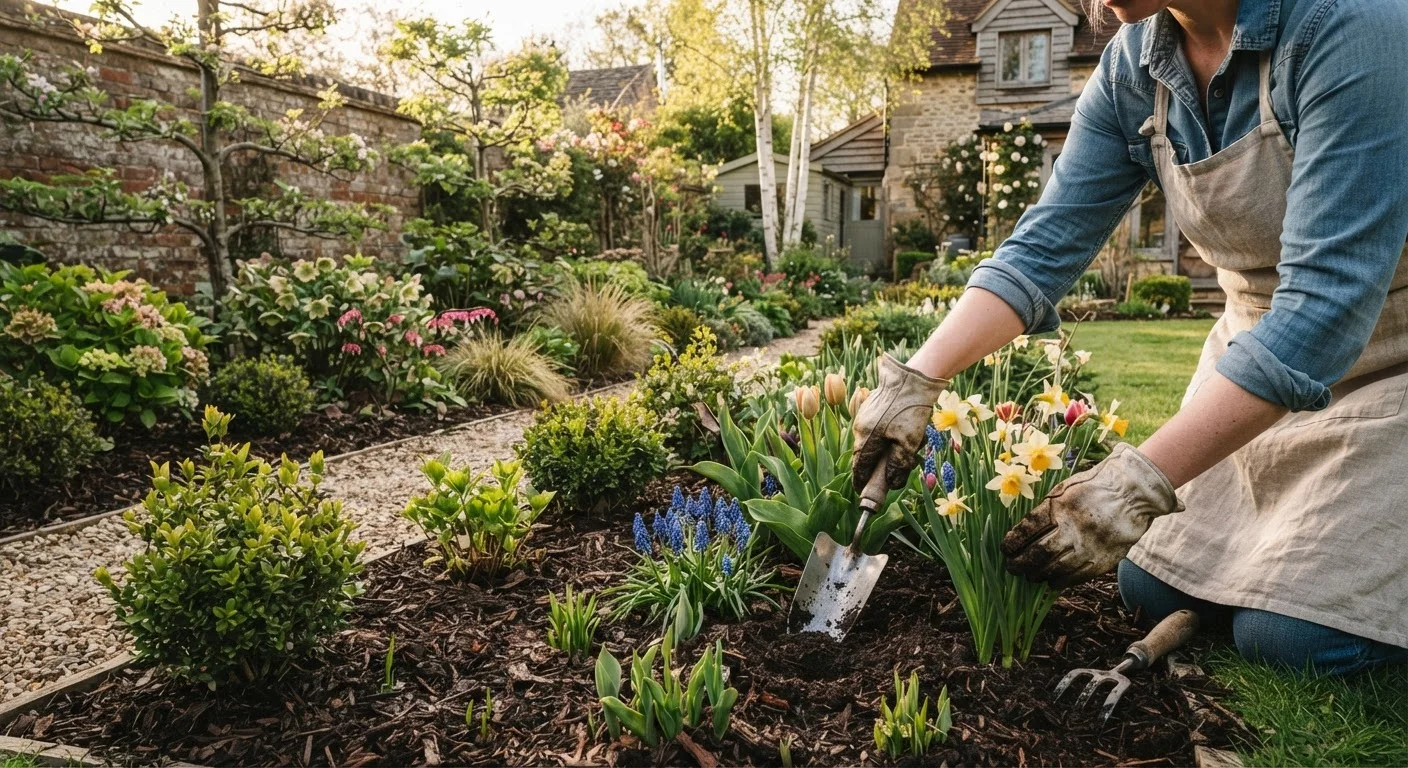
Photo credit: FaqsInsights.com | Stay Informed, Stay Ahead
In this article
A season-by-season checklist covering pruning, feeding, planting, and prep tasks to keep your garden healthy and productive all year.
Key Takeaways
- Each season brings distinct garden tasks - staying ahead prevents bigger problems later.
- Soil health, pruning timing, and watering habits are foundational to year-round success.
- Native and regionally appropriate plants generally require less intensive seasonal intervention.
- Winter is for planning and soil recovery, not just dormancy - use it intentionally.
- Keeping a simple garden journal helps you refine your routine season over season.
Why a Seasonal Checklist Works Better Than a To-Do List
Most gardening problems - leggy plants, pest infestations, depleted soil - don't appear overnight. They build gradually when small seasonal tasks get skipped. A structured checklist keeps you one step ahead, distributing the workload across the year rather than leaving everything to a frantic spring blitz.
This guide breaks garden maintenance into four seasonal phases, covering pruning, feeding, planting, watering, and preparation tasks. Whether you tend a kitchen garden, a perennial border, or a mix of lawn and beds, the framework below adapts to your space.
If you're also rethinking how you store garden tools and supplies between active seasons, our article on seasonal storage rotation offers a practical companion system. And if you're interested in plants that are naturally adapted to your region and need less intensive care, see our guide to native plants and why ecologists recommend them.
Soil Test Kit
Measures pH and key nutrient levels so you can apply targeted amendments rather than guessing.
Bypass Pruners
Used for clean, precise cuts on stems and branches up to about ¾ inch in diameter.
Garden Fork or Broadfork
Aerates compacted soil and helps work compost into bed surfaces without disrupting soil structure.
Mulch (organic - shredded leaves, wood chips, straw)
Retains soil moisture, moderates temperature, and suppresses weed germination across all seasons.
Drip Irrigation Timer
Automates consistent, deep watering during summer dry periods to reduce plant stress.
Garden Journal or Notebook
Tracks what was planted, when tasks were completed, and what to adjust in future seasons.
Seasonal Garden Maintenance Checklist
Work through the groups below in order as each season arrives. Mark off items as you complete them - or return to this list at the start of each new season to reassess.
Spring
Summer
Fall
Winter
Don't Prune Spring Bloomers in Fall or Winter
Shrubs that bloom in spring - such as lilacs, forsythia, and azaleas - set their flower buds in late summer and fall. Pruning them during fall or winter removes those buds, eliminating the following spring's display. Prune spring-blooming shrubs immediately after they finish flowering for best results.
How to Use This Checklist Season After Season
A checklist is most useful when it reflects your actual garden rather than a generic ideal. After completing each season's tasks, spend five minutes noting what worked, what you skipped, and what surprised you. Over two or three years, these notes become a personalized planting and maintenance calendar far more valuable than any single resource.
Pay particular attention to soil condition at the start of spring and after summer heat. Compacted, nutrient-depleted soil is the underlying cause of many plant health issues. Simple interventions - compost topdressing, aeration, mulching - have an outsized effect on everything that grows in your beds.
Soil Health Drives Everything Else
Even the best plant selection and watering schedule will underperform in poor soil. Investing time in soil testing and annual compost additions delivers more long-term benefit than any single planting decision. Aim to improve your soil biology every fall so that each spring season begins from a stronger foundation.
Finally, remember that no checklist replaces observation. Walk your garden weekly, even briefly. Early detection of pests, disease, or stress keeps small issues from becoming expensive or irreversible ones.

Author
Home & Garden Editorial Team
Home & Garden Editorial Team is the collective byline for our editorial team and contributor network. Articles published under this byline or an editorial pen name are researched, written, and reviewed according to our editorial standards for clarity, consistency, and independence before publication.
View all articles →