
Native Plants and Why Ecologists Keep Recommending Them
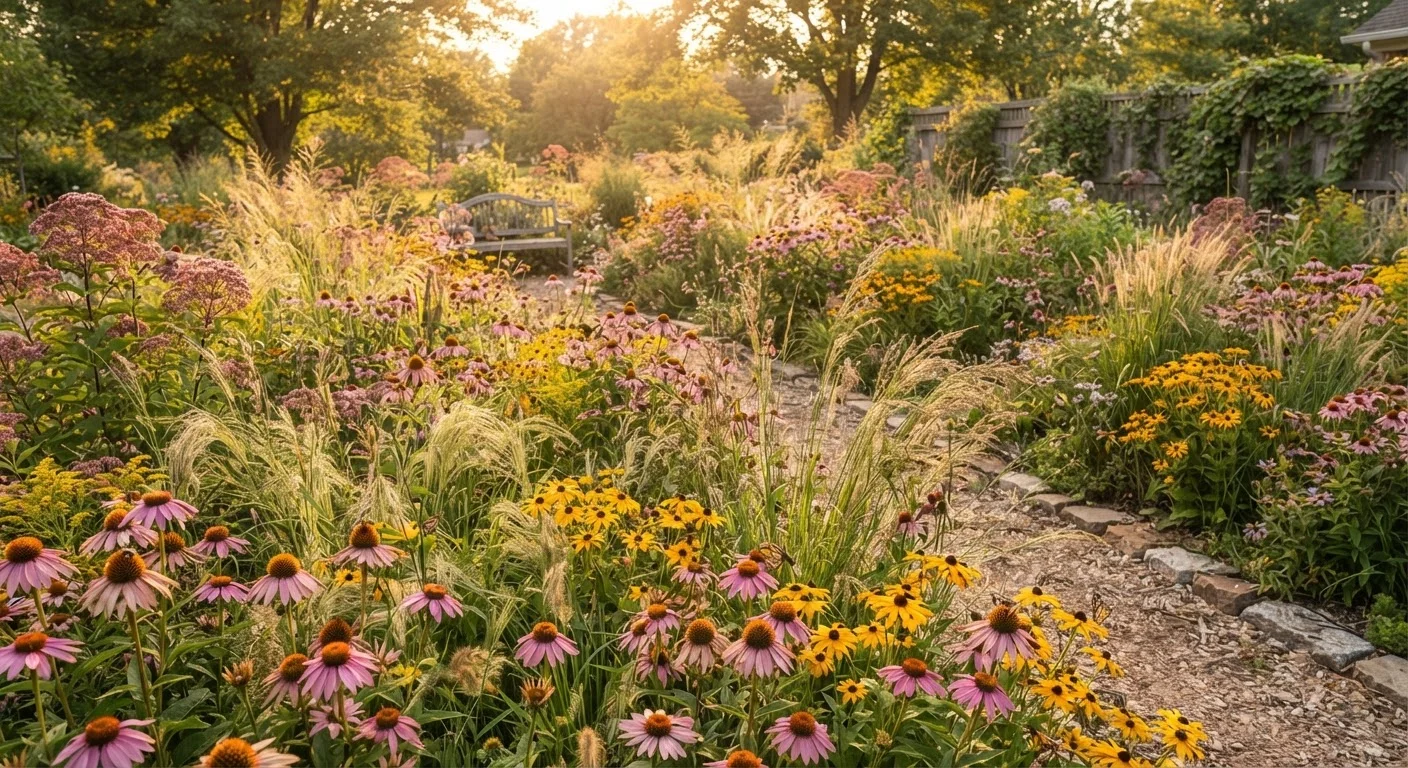
Photo credit: FaqsInsights.com | Stay Informed, Stay Ahead
In this article
Native plants support local wildlife, require less water, and are adapted to regional conditions. Here's what they are and how to incorporate them.
Key Takeaways
- Native plants are species that evolved in a specific region without human introduction.
- They typically need less watering, fertilizing, and pest control than non-native alternatives.
- Native plants support local insects, birds, and other wildlife in ways that exotic species often cannot.
- Nativity is region-specific - the same species can be native in one US state and non-native in another.
- Transitioning even part of a yard to natives can meaningfully improve local biodiversity.
What 'Native' Actually Means
The term native plant is used frequently in gardening circles, but it's worth being precise. A native plant is one that occurred in a particular region before European colonization and spread through natural processes - seed dispersal by wind, water, or animals - rather than human transport or cultivation.
Critically, nativity is tied to geography at a finer scale than most people expect. A plant native to the tallgrass prairies of Kansas may be entirely out of place in the pine forests of North Carolina. This is why ecologists recommend consulting regional resources - such as your state's native plant society or the USDA PLANTS database - rather than relying on broad labels at garden centers.
It also helps to understand what native plants are not. Cultivars - cultivated varieties of native species bred for showier flowers or compact habits - may retain some ecological value but can behave differently than their wild counterparts. The straight species (the unmodified wild form) is generally considered the most ecologically functional choice.
Why Ecologists Advocate for Them
The ecological case for native plants centers on co-evolution. Over thousands of years, local insects, birds, and soil organisms have developed relationships with the plants sharing their habitat. These aren't casual connections - many are dependencies.
“Gardeners have an opportunity to do for biodiversity what no government can accomplish. By planting native species, each yard becomes a corridor connecting the fragments of natural habitat that remain.”
— Doug Tallamy, Entomologist and author, University of Delaware
A frequently cited example is the relationship between native oaks and caterpillars. Research by entomologist Doug Tallamy has documented that native oaks support hundreds of caterpillar species, which in turn are essential food for nesting songbirds. A non-native ornamental tree in the same space may support only a handful of insect species, producing a cascade of reduced wildlife activity throughout the yard.
Pollinators tell a similar story. Native bees - of which there are thousands of species in North America - have often evolved to feed on specific native plant genera. Some specialist bees cannot survive without their host plants. Planting regionally native flowering species directly supports these populations in ways that exotic ornamentals generally cannot replicate.
90%+
Of specialist bee species dependent on native plants
Research by entomologist Doug Tallamy and colleagues suggests the large majority of specialist bee species require specific native plant genera to complete their life cycles.
~35%
Of US land area covered by conventional lawns
According to NASA-funded research, turf grass covers an estimated 40 million acres in the continental US - representing significant potential habitat if partially converted to native plantings.
500+
Caterpillar species supported by native oaks
Tallamy's research documented that a single native oak tree can support more than 500 caterpillar species, compared to far fewer supported by most non-native ornamental trees.
Practical Benefits for Home Gardeners
Beyond ecology, native plants offer tangible practical advantages for people managing a home garden or landscape.
Water efficiency: Native plants are adapted to local rainfall patterns. Once established, many require little to no supplemental irrigation beyond what the region naturally receives. This makes them particularly valuable in drought-prone areas or regions with seasonal dry periods.
Reduced inputs: Because they evolved in local soil conditions, native plants generally perform without heavy fertilization. They also tend to have natural resistance to local pests and diseases, reducing the need for chemical intervention.
Seasonal resilience: Native perennials are calibrated to local frost dates, temperature swings, and precipitation cycles. This means less guesswork about seasonal care. Pairing this with broader garden planning - see our guide to annuals vs. perennials - can help you build a landscape that performs reliably across all four seasons.
Start Small and Build Confidence
If a full landscape conversion feels overwhelming, begin with one manageable area - a sunny border, a shaded corner, or a strip along a fence. Observe which species thrive and attract wildlife in your first season, then expand from there. Success with a small native planting is one of the most effective ways to build the knowledge and motivation to scale up gradually.
How to Start Incorporating Native Plants
You don't need to overhaul your entire yard at once. Even converting a single garden bed or border to native species can make a meaningful difference for local wildlife.
Start by identifying your ecoregion and researching which species are native to it. Your state's cooperative extension service or a local native plant society are reliable, region-specific resources. When purchasing plants, look for nurseries that propagate from local seed stock rather than importing plants from distant growing regions.
Consider your existing garden conditions carefully. Understanding the light levels, drainage, and microclimate variations in your space will help you match native species to spots where they'll genuinely thrive. Our guide to garden microclimates explains how to read these subtle differences across your yard.
Native plants also pair well with thoughtful planting strategies. If you're exploring how different plants support each other, companion planting principles can complement a native-focused design. And when planning your planting method, the trade-offs outlined in our article on raised beds vs. in-ground planting are worth understanding for native gardens too.
Expect an establishment period of one to three seasons before your native plants fully settle in. Once established, they typically require far less ongoing attention - and the wildlife activity they attract tends to grow noticeably over time.
Frequently Asked Questions

Author
Home & Garden Editorial Team
Home & Garden Editorial Team is the collective byline for our editorial team and contributor network. Articles published under this byline or an editorial pen name are researched, written, and reviewed according to our editorial standards for clarity, consistency, and independence before publication.
View all articles →