
Annuals vs. Perennials: Planning a Garden That Works Season After Season
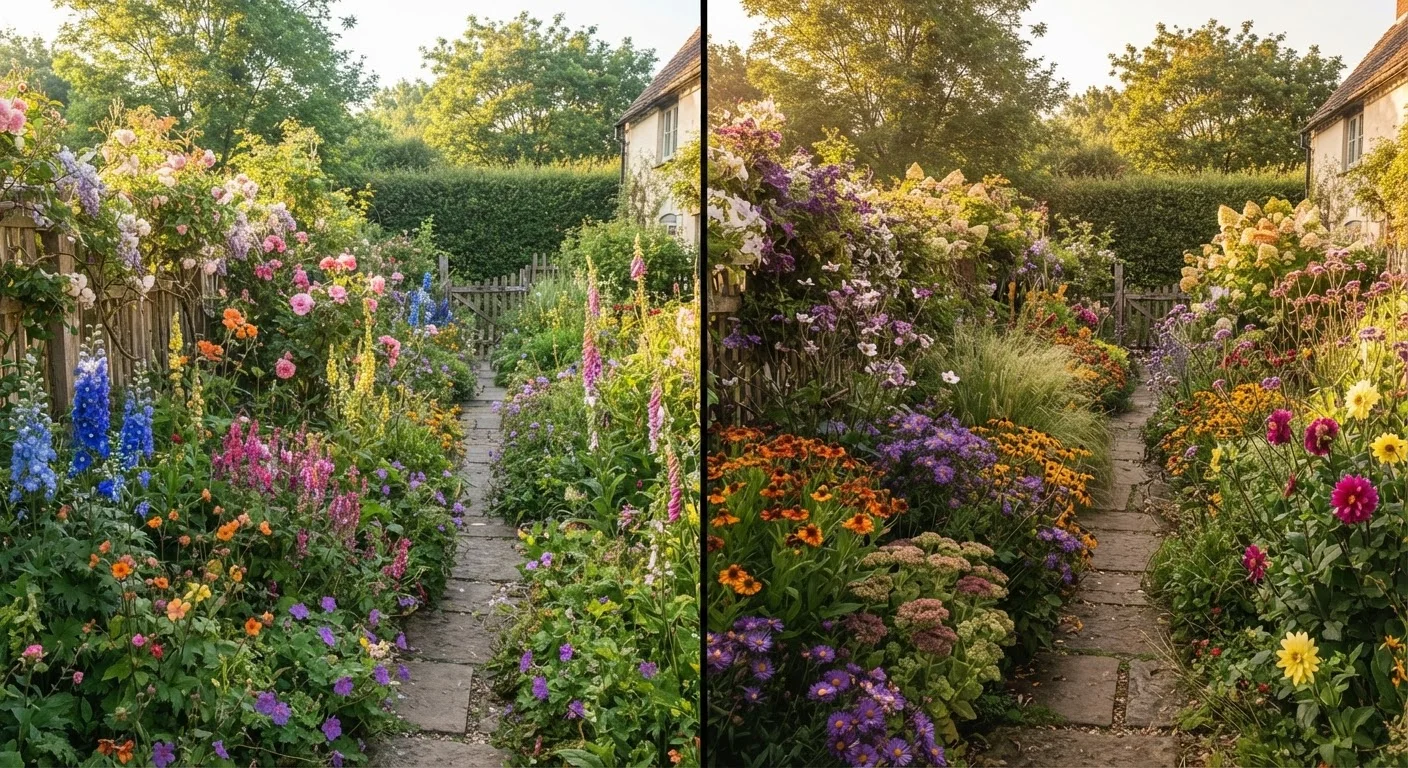
Photo credit: FaqsInsights.com | Stay Informed, Stay Ahead
In this article
Understanding the difference between annuals and perennials helps you balance year-round colour with long-term, low-maintenance planting.
Key Takeaways
- Annuals complete their life cycle in one growing season, offering bold, season-long colour but requiring replanting each year.
- Perennials return year after year from the same root system, building structure and reducing long-term labour.
- Combining both types lets you achieve continuous colour while keeping maintenance manageable.
- Your climate, budget, and available time should guide how you proportion annuals to perennials.
- Many perennials take two to three seasons to reach their full display potential - patience pays off.
What Separates Annuals From Perennials
The core difference comes down to life cycle. Annuals germinate, flower, set seed, and die - all within a single growing season. Plants like marigolds, zinnias, and petunias fall into this category. They put enormous energy into flowering, which is why they tend to bloom prolifically from late spring through first frost.
Perennials, by contrast, die back to their root system at the end of the season and re-emerge the following year. Coneflowers, black-eyed Susans, hostas, and ornamental grasses are familiar examples. Because they're investing energy in root development alongside flowering, perennials may be less showy in their first season - but they compound their effort year after year.
A third category worth knowing is biennials (such as foxglove and hollyhock), which complete their life cycle across two growing seasons - vegetative growth in year one, then flowering and seed-setting in year two. For most planning purposes, they're treated similarly to annuals.
Understanding these distinctions helps you set realistic expectations for what each plant will deliver - and when.
Comparing Annuals and Perennials Across Key Criteria
When deciding how to proportion your garden, it helps to look at both plant types side by side across the factors that matter most to everyday gardeners.
| Annuals | Perennials | |
|---|---|---|
| Lifespan | One growing season | Returns for multiple years |
| Bloom duration | Often season-long (months) | Typically 2-6 weeks per season |
| Upfront cost | Lower per plant | Higher per plant |
| Long-term cost | Higher (replanting each year) | Lower (returns each season) |
| Maintenance effort | Deadheading; replanting yearly | Division every few years |
| Design flexibility | High - change palette annually | Lower - established in place |
| First-year display | Bold and immediate | Often modest; improves with age |
| Wildlife value | Moderate | Often higher, especially natives |
One nuance the table doesn't fully capture: perennials often represent a lower cost-per-season over time. A perennial clump that returns for a decade at a modest initial investment can outperform the cumulative cost of replanting annuals in the same spot every year. That said, annuals remain the most practical choice for containers, seasonal focal points, and situations where you want the freedom to change your palette annually.
How to Mix Both for a Season-Long Display
The most effective approach for most home gardens is a layered planting strategy - using perennials as the structural foundation and annuals to bridge colour gaps.
Start with a perennial framework
Map out when your perennials bloom and for how long. Most perennials have a relatively focused bloom window of two to six weeks. By selecting varieties that bloom in succession - early-spring bulbs like alliums, summer-flowering coneflowers, and late-season sedums - you can create a rolling display without relying entirely on annuals. This framework also supports local wildlife; native perennials in particular tend to provide the most reliable habitat value.
Fill gaps with targeted annuals
Once you know where and when your perennial display goes quiet, you can plug in annuals strategically rather than filling beds wholesale. A few well-placed flats of annuals around a mid-summer perennial gap deliver high visual impact for relatively low cost.
Use the 'thriller, filler, spiller' formula
When combining annuals and perennials in containers or bed edges, think in three roles: a tall 'thriller' plant for height, a mid-height 'filler' for body, and a trailing 'spiller' to soften edges. This approach works equally well with mixed annual-perennial combinations and creates a polished, intentional look without requiring a design background.
For a deeper dive into how plant placement and garden structure interact, see our guide on designing functional outdoor living spaces.
Practical Considerations Before You Plant
Budget: If you're starting a new bed, a mixed approach often makes sense - invest in a core of perennials and supplement with a smaller number of annuals each season as your budget allows. Perennials can also be divided and spread over time, multiplying your initial investment.
Time and maintenance: Annuals typically require deadheading (removing spent blooms) to keep flowering. Perennials need periodic division - usually every three to five years - to prevent overcrowding and maintain vigor. Neither approach is maintenance-free, but perennial gardens generally demand less seasonal replanting effort over time. Our seasonal garden maintenance checklist breaks down what tasks to expect throughout the year.
Soil and site: Both plant types benefit from well-prepared soil. If you're weighing how to set up your beds in the first place, the raised beds vs. in-ground planting comparison covers the practical trade-offs. And don't overlook water habits - overwatering is a more common cause of plant loss than most gardeners realise.
Climate hardiness: Some plants sold as perennials in warmer USDA zones behave as annuals in colder regions. Always check the hardiness zone rating on the plant label against your local zone before purchasing.

Author
Home & Garden Editorial Team
Home & Garden Editorial Team is the collective byline for our editorial team and contributor network. Articles published under this byline or an editorial pen name are researched, written, and reviewed according to our editorial standards for clarity, consistency, and independence before publication.
View all articles →