
Outdoor Living Spaces: Designing a Backyard You'll Actually Use
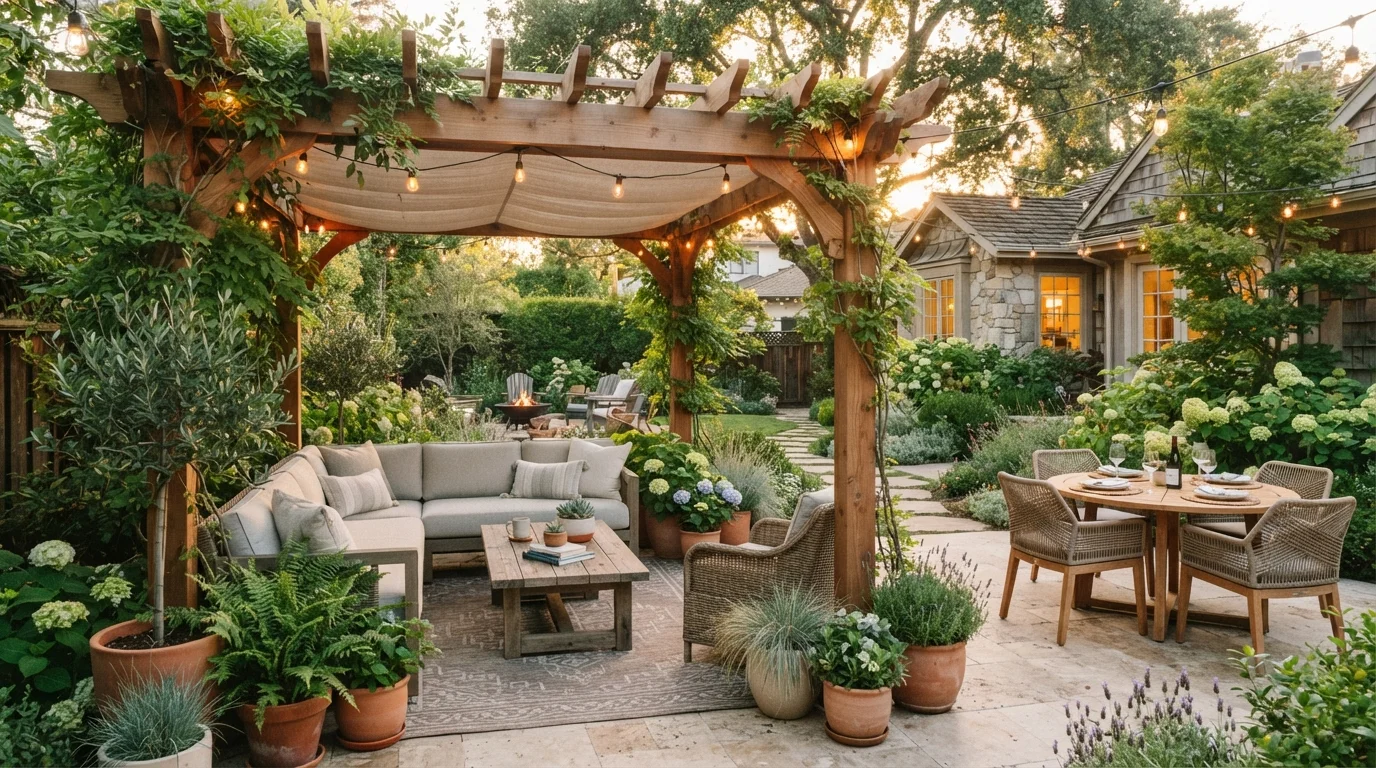
Photo credit: FaqsInsights.com | Stay Informed, Stay Ahead
In this article
From seating zones to shade structures, this guide covers the core principles of designing functional, enjoyable outdoor living areas.
Key Takeaways
- Defining clear activity zones before buying furniture prevents wasted space and money.
- Shade is the single biggest factor in whether an outdoor space gets used consistently.
- Durable, low-maintenance surfaces reduce upkeep and extend the life of your investment.
- Strategic planting adds privacy, seasonal interest, and even edible harvests.
- Outdoor lighting dramatically extends usable hours into evenings and cooler months.
- Understanding your yard's microclimates helps every design decision land better.
Why Most Backyards Go Unused
The pattern is familiar: a backyard that looked promising when you moved in slowly becomes a place you pass through rather than spend time in. The grass gets mowed, a few chairs sit unoccupied, and the space never quite becomes what you imagined. The cause is rarely a lack of potential - it's a lack of intentional design.
Outdoor spaces fail for predictable reasons: no shade on a sunny afternoon, nowhere comfortable to sit, surfaces that are muddy after rain, or simply no defined purpose for any corner of the yard. Addressing these friction points systematically is what separates a backyard you visit from one you actually live in.
79%
Homeowners who say outdoor space improves quality of life
According to the American Institute of Architects' Home Design Trends Survey, a large majority of homeowners value outdoor living areas as important to their overall wellbeing.
Top 3
Outdoor living ranks among most desired home features
The National Association of Home Builders consistently lists outdoor living spaces among the most desired features by new home buyers in the US.
Start With Zones, Not Furniture
The most common mistake in outdoor design is buying a patio set and hoping the space organizes itself around it. Instead, begin by identifying what activities you genuinely want to support: dining, lounging, cooking, playing, gardening, or some combination.
Sketch a rough map of your yard and designate areas for each activity before purchasing a single item. A dining zone needs a flat, level surface and proximity to the house. A lounging zone benefits from shade and a sense of enclosure. A play zone for kids should have clear sight lines from wherever adults gather.
Understanding how sun and wind move through your yard is essential here. Your yard contains distinct microclimates - pockets of differing temperature, light, and moisture - that should guide where each zone lands. See our guide to garden microclimates to learn how to map and use these zones strategically.
Before placing any zone, spend one full weekend observing where sun, shade, and wind actually land throughout the day - not just at a glance but hour by hour. What feels shady at 9am can be brutal by 2pm.
Sun and wind patterns are the primary drivers of outdoor comfort. Mapping them empirically before committing to a layout prevents costly furniture repositioning or structural additions later.
Make your dining zone slightly smaller than you think you need. Outdoor dining areas that feel intimate and defined are used far more than oversized, undefined ones that feel exposed.
Enclosure and a sense of scale create psychological comfort. Research on outdoor space use consistently finds that perceived coziness drives repeat use more than total square footage.
Shade and Shelter: The Non-Negotiable Foundation
Ask most people why they don't use their outdoor space more, and the answer is heat. Without shade, a backyard is only comfortable for a narrow window of the day. This is the single design element worth prioritizing above everything else.
Options range from permanent structures like pergolas and covered patios to freestanding options like large market umbrellas and shade sails. Pergolas provide structure for climbing plants and can be fitted with retractable canopies. Shade sails offer flexibility and modern aesthetics. When sizing any shade structure, err larger than you think you need - shade shrinks relative to the area it covers as the sun moves.
Size Your Shade Structure Generously
When calculating coverage, plan for a shade structure at least 20-25% larger than the seating area it serves. Shade moves with the sun, and a structure that covers your table at noon may leave guests baking by late afternoon. Bigger is almost always better when it comes to outdoor comfort.
For those in regions with high winds or significant rain, consider how any structure will perform in adverse weather. Anchoring, material weight, and drainage all matter for long-term durability.
Flooring and Surfaces That Work Hard
The ground beneath your outdoor space sets the tone for the entire area. Grass is pleasant but impractical as a primary surface for seating and dining - it gets muddy, uneven, and difficult to pull furniture across. Hard surfaces like concrete pavers, natural stone, brick, or composite decking provide stability and define zones visually.
Each material has trade-offs. Natural stone is beautiful and durable but can be expensive and slippery when wet. Concrete pavers are versatile and relatively affordable but may shift over time without a proper base. Composite decking resists rot and splinters but retains heat in direct sun. Gravel is inexpensive and drains well but is less comfortable underfoot and can scatter.
Whatever surface you choose, proper grading - ensuring water drains away from your home's foundation - is non-negotiable. For any significant excavation or structural work, consult a licensed contractor and check local permitting requirements before proceeding.
Planting for Privacy, Beauty, and Function
Plants do multiple jobs in an outdoor living space: they create privacy screens, provide additional shade, add seasonal color, and can even supply edible produce. Thoughtful planting turns a yard into a space that feels genuinely enclosed and personal rather than exposed.
For privacy, tall ornamental grasses, bamboo (clumping varieties, not running), and evergreen shrubs are reliable options that grow relatively quickly. Layering plants of varying heights creates a more natural look than a single hedge row.
When planning longer-term plantings, understanding the difference between annuals and perennials helps you balance immediate color with low-maintenance, year-round structure. Our article on annuals vs. perennials walks through how to combine both for a garden that works across seasons. If your outdoor space is compact, container gardening lets you add herbs, vegetables, and ornamentals without sacrificing patio square footage.
Lighting and Evening Usability
Outdoor lighting extends usable hours dramatically and transforms how a space feels after dark. A backyard that's pleasant at 5pm can feel entirely different - warmer, more intimate - with the right lighting at 8pm.
Layering light sources produces the best results. Overhead string lights or lanterns provide ambient illumination. Path lighting improves safety and defines edges. Accent lighting on plants or architectural features adds depth. Solar-powered options have improved significantly and work well for low-voltage accent and path lighting. For higher-output fixtures or permanent installations, hardwired options tend to be more reliable - and electrical work of any kind should be handled by a licensed electrician.
Check Local Codes Before Installing Permanent Fixtures
Pergolas, decks, and hardwired electrical installations often require permits in US municipalities. Requirements vary significantly by jurisdiction and structure size. Always verify with your local building department before beginning any permanent outdoor construction - unpermitted work can create issues when selling your home or filing insurance claims.
Beyond electrical lighting, consider fire: a fire pit or chiminea extends the outdoor season well into fall and creates a natural gathering focal point. Ensure any fire feature complies with local ordinances and is positioned safely away from structures and overhead branches.
Making It All Come Together
Effective outdoor living spaces share one quality: they feel intentional. Every element - where the shade falls, how the zones connect, what the surface feels like underfoot, how the light behaves at dusk - has been considered rather than left to chance.
Start with the zone map. Layer in shade. Choose surfaces that can handle real-life use. Plant for privacy and beauty. Add lighting that makes evening hours inviting. Then furnish each zone for its specific purpose rather than filling the space with furniture that serves no clear role.
Outdoor design is also an ongoing process. As your yard matures, plants fill in, surfaces settle, and your own sense of how you want to use the space evolves. Build in flexibility - furniture you can rearrange, planters you can relocate - so the space can grow with you. For ideas on applying similar zone-thinking principles indoors, the Home Improvement hub covers practical approaches to making the most of every space in your home.

Author
Home & Garden Editorial Team
Home & Garden Editorial Team is the collective byline for our editorial team and contributor network. Articles published under this byline or an editorial pen name are researched, written, and reviewed according to our editorial standards for clarity, consistency, and independence before publication.
View all articles →