
Container Gardening: Growing Vegetables and Herbs in Small Spaces
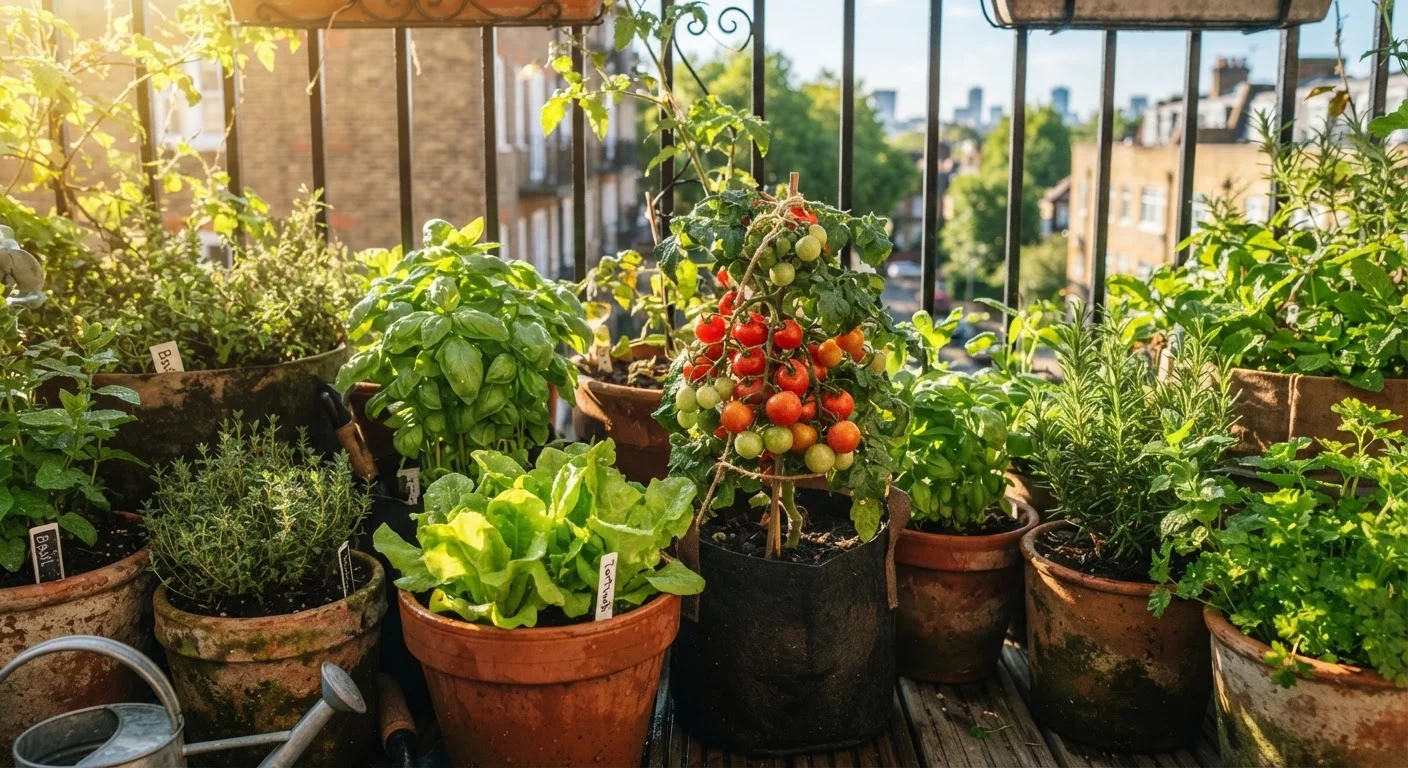
Photo credit: FaqsInsights.com | Stay Informed, Stay Ahead
In this article
No yard? No problem. Learn how to grow food successfully in pots, planters, and grow bags on patios, balconies, or small outdoor areas.
Key Takeaways
- Container size and drainage quality are the two factors most critical to plant survival.
- Most vegetables and herbs need at least six hours of direct sunlight daily to produce well.
- Potting mix - not garden soil - is essential for healthy root development in containers.
- Containers dry out faster than garden beds, so daily watering checks are necessary in warm weather.
- Compact or dwarf plant varieties are specifically bred to thrive in confined growing spaces.
Why Container Gardening Works - and Where It Has Limits
Container gardening makes food growing genuinely accessible to anyone with a few square feet of outdoor space and a reliable water source. Balconies, patios, rooftops, doorsteps, and even fire escapes (where permitted) can support productive container gardens. The approach gives you complete control over your growing medium, allows you to move plants to follow the sun or escape harsh weather, and sidesteps common challenges like poor native soil or pest pressure from the ground.
That said, containers do have real constraints. They require more attentive watering than in-ground beds, and they can't support every crop - corn, sprawling squash, and deep-rooted vegetables like parsnips are poor candidates. If you're weighing container growing against other approaches, our comparison of raised beds and in-ground planting outlines how each method performs across key factors.
New to food gardening entirely? Our beginner's guide to starting a vegetable garden covers foundational principles that apply whether you're working in pots or a plot.
Containers (pots, planters, or grow bags)
Hold growing medium and plants; size should match the root depth requirements of your chosen crops.
High-quality potting mix
Provides the aerated, nutrient-rich growing environment container plants need - garden soil is not a suitable substitute.
Watering can or hose with adjustable nozzle
Delivers water gently and precisely to avoid disturbing shallow roots or washing away soil.
Slow-release granular fertilizer
Provides steady baseline nutrition over several weeks, reducing the frequency of liquid feeding.
Liquid fertilizer (balanced or tomato-formula)
Supplements nutrition during active growing periods, especially for heavy-feeding crops like tomatoes and peppers.
Saucers or drip trays
Catch excess drainage to protect surfaces and, if left with a little water, help moderate drying between waterings.
Trowel and hand fork
Used for planting, transplanting, and loosening the top layer of potting mix.
Setting Up and Maintaining Your Container Garden
The steps below walk you through choosing your space, selecting containers and soil, planting, and keeping your garden productive through the season. Read through everything once before you start - understanding how the steps connect helps you avoid common early mistakes.
Never Use Garden Soil in Containers
Garden soil compacts heavily in pots, restricting root growth and blocking drainage. Always use a quality potting mix formulated for containers. Some mixes include slow-release fertilizer, which can reduce your supplemental feeding needs in the early growing season.
Check Weight Limits on Balconies
Large pots filled with wet soil can be surprisingly heavy - sometimes exceeding 50 lbs each. Before loading a balcony with multiple containers, consult your building's load-bearing specifications or speak with a structural professional. Distribute weight toward load-bearing walls or supports rather than concentrating it in one spot.
Assess your light and space
Before purchasing anything, observe your outdoor space over the course of a full day. Count how many hours of direct sunlight it receives, and note whether it's shielded from wind or exposed. Most fruiting vegetables - tomatoes, peppers, cucumbers - need six or more hours of sun. Leafy greens and herbs like mint, parsley, and cilantro tolerate four to five hours, making them better choices for shadier spots.
Understanding your space also shapes container selection: a narrow balcony railing may suit vertical planters or wall-mounted pockets, while a wide patio can accommodate larger floor-standing pots.
Choose appropriate containers
Match container size to root depth requirements. As a general guide: herbs and lettuce do well in pots at least 6-8 inches deep; bush beans and beets need 10-12 inches; tomatoes, peppers, and eggplant need containers at least 14-18 inches deep and wide. When in doubt, go larger - bigger containers hold more moisture and give roots room to establish.
Ensure every container has at least one drainage hole. Fabric grow bags are a practical option: they air-prune roots naturally, preventing circling, and are easy to store off-season.
Fill with the right growing medium
Fill containers with a potting mix formulated for container use. Look for mixes that include perlite or vermiculite for drainage, and some form of organic matter for nutrient retention. Avoid bagged products labeled simply as "topsoil" or "garden soil" - these compact in pots and impede root growth.
Fill to about an inch below the rim to leave room for watering without overflow. If your mix does not include slow-release fertilizer, mix in a granular formula according to package directions before planting.
Select and plant your crops
Choose varieties bred for container growing where possible - these are typically labeled "compact," "dwarf," "patio," or "bush" on the seed packet or plant tag. Cherry tomato varieties, for example, generally perform better in pots than large beefsteak types.
Plant transplants at the same soil depth they were growing in their nursery pots (tomatoes are an exception - they benefit from being planted deeper). For seeds, follow the packet's spacing and depth guidance. Container spacing can be slightly tighter than garden recommendations, but resist the urge to overcrowd: good airflow reduces disease pressure.
Water consistently and fertilize regularly
Container soil dries out significantly faster than in-ground beds. In warm weather, small pots may need watering once or even twice daily. Check moisture by pressing a finger about an inch into the soil - water when it feels dry at that depth. Water thoroughly until it drains from the bottom, then allow the mix to approach dryness before watering again.
Because frequent watering leaches nutrients from the potting mix, container plants need more regular fertilizing than in-ground plants. Apply a balanced liquid fertilizer every one to two weeks during the growing season, or follow instructions for whichever formula you're using.
Monitor, adjust, and harvest
Check plants every few days for signs of stress: yellowing leaves can indicate overwatering or nutrient deficiency; brown, curled leaf edges often signal heat stress or underwatering. Catching problems early gives you time to correct them before a plant declines significantly.
Harvest frequently - especially for herbs and leafy greens. Regular harvesting encourages continued production rather than the plant putting its energy into seeding. Pinching off basil flowers, for example, keeps the plant productive for many more weeks.
Group Containers to Retain Moisture
Clustering pots together creates a slightly more humid microclimate around the plants, which slows moisture loss - especially useful on windy balconies. It also makes watering rounds faster and can create a more visually cohesive garden display.
To enrich your container soil over time, consider supplementing with homemade compost. Our guide to composting at home explains how to get started with even minimal space. And if you want to understand how light, heat, and wind vary across your specific outdoor area, understanding garden microclimates can help you place containers where they'll genuinely thrive.

Author
Home & Garden Editorial Team
Home & Garden Editorial Team is the collective byline for our editorial team and contributor network. Articles published under this byline or an editorial pen name are researched, written, and reviewed according to our editorial standards for clarity, consistency, and independence before publication.
View all articles →