
Raised Beds vs. In-Ground Planting: Weighing the Real Trade-Offs
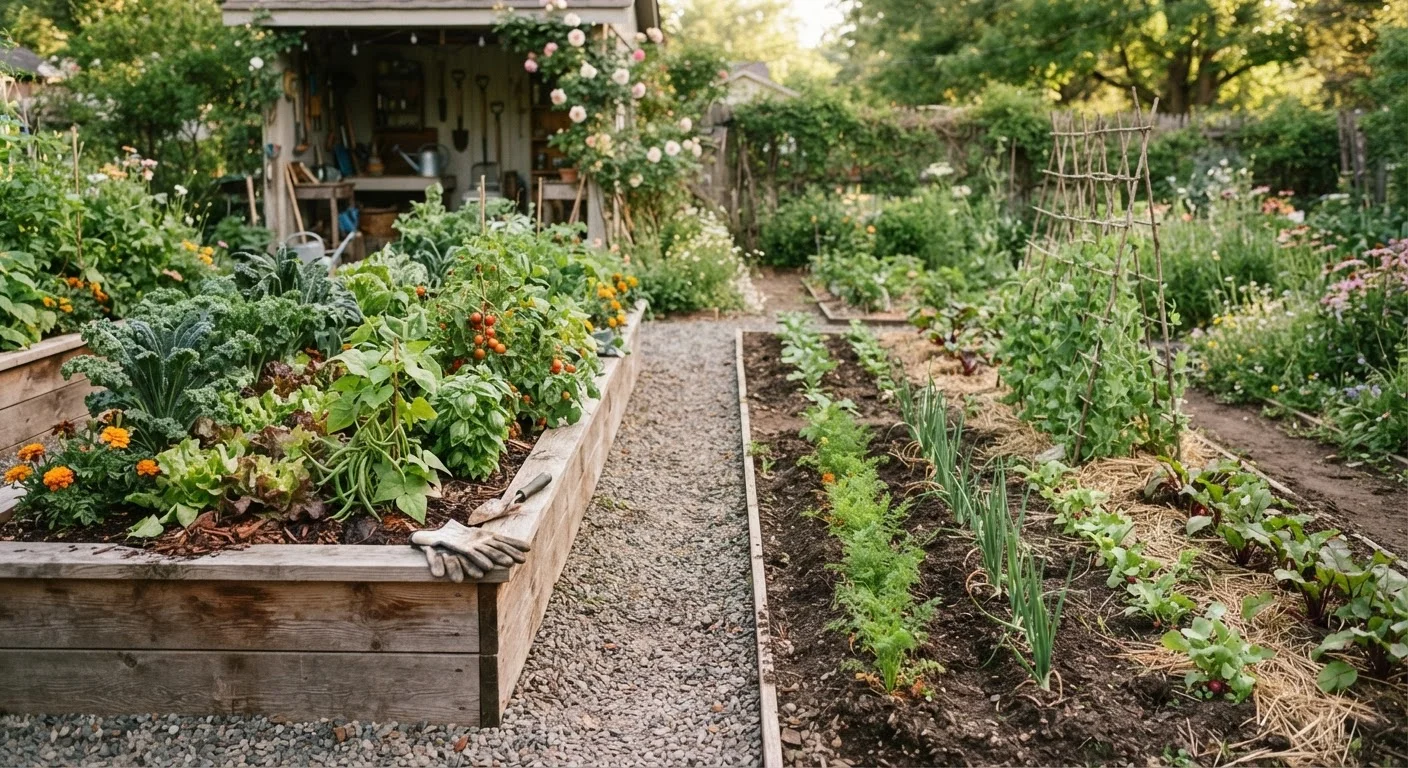
Photo credit: FaqsInsights.com | Stay Informed, Stay Ahead
In this article
Raised beds offer drainage and control, but in-ground plots have their own strengths. Here's how to decide which suits your space and goals.
Key Takeaways
- Raised beds give you full control over soil quality and drain faster, reducing root rot risk.
- In-ground plots cost less to start and can support larger or deeper-rooted plants more easily.
- Raised beds tend to warm up faster in spring, potentially extending your growing season.
- In-ground planting integrates more naturally with native soil ecosystems and beneficial organisms.
- Your existing soil quality, budget, and physical ability are the key factors in deciding which suits you.
What You're Actually Choosing Between
The raised bed vs. in-ground debate isn't really about which method is objectively better - it's about which works better for your specific conditions. Both approaches can produce productive, beautiful gardens. But they perform differently depending on your soil, climate, physical setup, and goals.
A raised bed is a contained growing structure - typically made from wood, galvanized metal, or composite materials - filled with a custom soil mix. In-ground planting means working directly with your native yard soil, amended as needed. The implications of that distinction ripple through nearly every aspect of gardening: drainage, warmth, cost, labor, and long-term soil ecology.
If you're also thinking about how to water either setup efficiently, our guide to drip irrigation vs. sprinkler systems walks through the options for both garden types.
| Criterion | Raised Beds | In-Ground Planting |
|---|---|---|
| Upfront cost | Higher (materials + fill soil) | Lower (amendments only) |
| Soil control | Complete - custom fill mix | Limited by native conditions |
| Drainage | Excellent - drains freely | Varies by soil type |
| Root depth available | Limited to bed height | Unlimited |
| Spring warm-up speed | Faster | Slower |
| Weed pressure | Generally lower | Generally higher |
| Scalability | Limited by cost and space | Easily expanded |
| Soil ecosystem richness | Builds slowly over time | Established, living network |
| Accessibility / ergonomics | Less bending required | Requires ground-level work |
Where Raised Beds Have a Clear Edge
Raised beds shine in situations where native soil is the problem. Compacted clay, sandy loam with poor water retention, rocky ground, or soil with a history of contamination - all of these become manageable when you simply build above them. You fill your bed with a custom blend of topsoil, compost, and other amendments, giving you a fresh, optimized growing medium from the start.
Drainage is another real advantage. Raised beds drain freely from the bottom, which protects roots from waterlogging - one of the most common causes of plant failure. As discussed in our article on why overwatering kills more plants than drought, excess moisture around roots is a surprisingly common problem that raised beds naturally help avoid.
Raised beds also warm faster in spring. Because the soil volume is smaller and exposed on all sides, it absorbs heat more quickly than ground soil - often by one to two weeks. That's meaningful for gardeners in cooler climates trying to extend their season.
2-4°F
Warmer spring soil temperature in raised beds
Raised bed soil typically runs warmer than adjacent ground soil in early spring, allowing earlier transplanting in many climates.
30-50%
Less water needed vs. conventional rows
University extension research suggests raised beds can use significantly less water than traditional row planting when properly managed and mulched.
Weed pressure is generally lower, too. You're starting with clean soil, and there's no surrounding ground-level reservoir of weed seeds constantly encroaching from all sides - though weeds will still arrive via wind and birds.
Where In-Ground Planting Holds Its Own
In-ground planting has real advantages that are easy to underestimate if you've only seen raised bed success stories. The most obvious is scale: there's no limit to how much ground you can cultivate, and no materials cost to expand. For gardeners growing staple crops across a large area, in-ground plots are simply more economical.
Soil depth is another factor. In-ground gardens offer unlimited root space downward and laterally. Plants like corn, large indeterminate tomatoes, winter squash, and asparagus develop extensive root systems that benefit from unrestricted depth - something a 12-inch raised bed can't fully replicate.
In-ground soil also supports a richer ecosystem. Earthworms, beneficial fungi, and soil microbes move freely through native ground, creating a living web that improves fertility and structure over time. When you pair in-ground planting with strategies like companion planting, you're working with that biology rather than isolating plants in a contained environment.
If you're drawn to growing native or regionally adapted species, in-ground planting often integrates more naturally with the surrounding landscape. You can read more about why native plants are worth considering as part of any garden design.
You Don't Have to Pick Just One
Many experienced gardeners use a combination: raised beds for crops that need precise drainage and soil control (like carrots, lettuce, and herbs), and in-ground plots for large, vigorous plants like squash, corn, or asparagus. Starting with one or two raised beds while maintaining an in-ground area gives you firsthand experience with both systems before committing fully to either.
Cost, Labor, and Long-Term Commitment
Upfront cost is one of the starkest differences. Building a single raised bed - including materials and quality fill soil - can cost anywhere from $50 to several hundred dollars depending on size and materials. Scaling to multiple beds multiplies that investment quickly.
In-ground planting typically requires only soil amendment - compost, organic matter, perhaps some lime or sulfur to correct pH - and basic tools. The labor of initial soil preparation can be significant (especially in compacted or heavily weeded areas), but the ongoing cost is much lower.
That said, raised beds tend to require less annual effort once established. Soil compaction is minimal because you're not walking in the bed, and the defined boundaries keep maintenance organized. Many gardeners find the contained space mentally easier to manage, especially when planning crop rotation or succession planting.
Mulching is valuable in both systems - reducing moisture loss and suppressing weeds. Our guide to garden mulching covers how to do it effectively without common pitfalls. And if space is genuinely tight, container gardening is worth considering as a complement or alternative to both approaches.

Author
Home & Garden Editorial Team
Home & Garden Editorial Team is the collective byline for our editorial team and contributor network. Articles published under this byline or an editorial pen name are researched, written, and reviewed according to our editorial standards for clarity, consistency, and independence before publication.
View all articles →