
Drip Irrigation vs. Sprinkler Systems: Choosing the Right Watering Approach
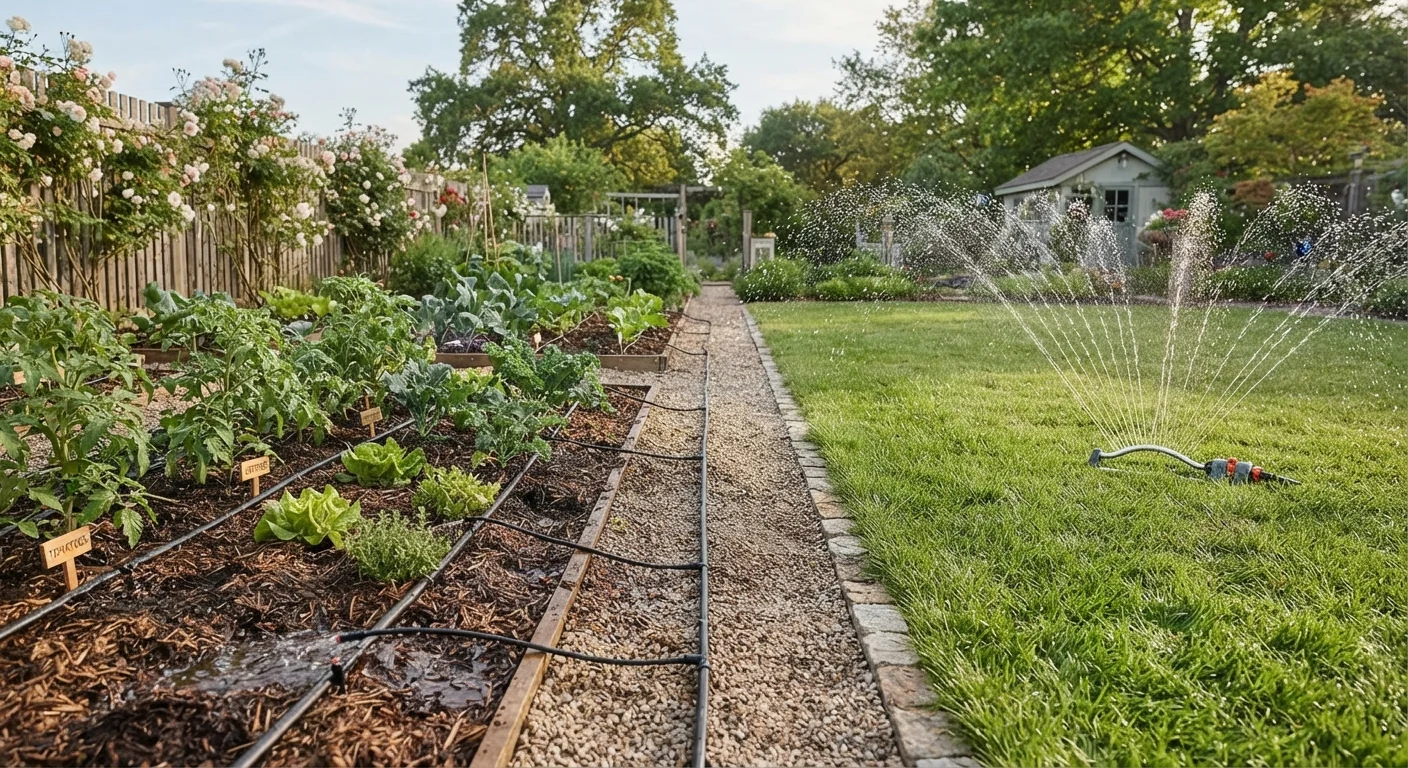
Photo credit: FaqsInsights.com | Stay Informed, Stay Ahead
In this article
Compare drip irrigation and sprinkler systems across efficiency, cost, and plant type suitability to find the right fit for your outdoor space.
Key Takeaways
- Drip irrigation delivers water directly to root zones, reducing evaporation and weed growth significantly.
- Sprinkler systems cover large areas quickly but lose more water to evaporation and wind drift.
- Installation costs vary widely; drip systems are often cheaper upfront for small gardens.
- Plant type and garden layout are the most reliable guides to choosing the right system.
- Both systems work best when paired with a timer and adjusted seasonally for water conservation.
- Combining both systems in different yard zones is a practical approach for mixed landscapes.
How Each System Works
Understanding the mechanics of each system helps clarify why they suit different garden situations.
Drip irrigation uses a network of flexible tubing, emitters, and micro-sprays to deliver water slowly and directly to the base of individual plants. Water seeps into the soil at a controlled rate, allowing roots to absorb moisture before it can evaporate or run off. This targeted approach keeps foliage dry, which can reduce conditions favorable to fungal diseases.
Sprinkler systems work by propelling water through rotating or fixed spray heads positioned above the landscape. They mimic rainfall, broadcasting water across an area in overlapping arcs. This makes them effective at covering lawns and large, uniform planting zones in a relatively short time.
The core difference is delivery: drip irrigation works below the canopy, while sprinklers work above it. That distinction drives nearly every practical trade-off between the two approaches. If you're also weighing how your planting method affects watering needs, see our guide to raised beds vs. in-ground planting for context on how garden structure shapes irrigation decisions.
| Criterion | Drip Irrigation | Sprinkler Systems |
|---|---|---|
| Water delivery method | Slow, targeted at root zone | Broadcast overhead spray |
| Water efficiency | High - minimal evaporation | Moderate - wind and heat losses |
| Best suited for | Beds, vegetables, shrubs | Lawns, ground covers, open areas |
| Foliage wetting | Minimal - stays at soil level | High - wets leaves and stems |
| Upfront installation | Low to moderate; DIY-friendly | Moderate to high; often professional |
| Weed encouragement | Lower - targeted moisture | Higher - broad surface wetting |
| Maintenance | Emitter checks; line inspections | Head adjustments; winterization |
| Scalability | Easily expanded modularly | Expansion requires replanning zones |
Water Efficiency and Environmental Impact
Water efficiency is often the deciding factor for homeowners in dry climates or areas subject to watering restrictions.
Drip irrigation is widely regarded as one of the more efficient delivery methods available for garden use. Because water is applied slowly at soil level, evaporation losses are minimal. Weed seeds in the surrounding soil also receive less moisture, which can reduce weed pressure over time - a benefit highlighted alongside mulching strategies in our guide to garden mulching.
Sprinkler systems, while convenient, are more susceptible to efficiency losses. Wind can carry water off-target, and heat causes significant evaporation when sprinklers run midday. Running sprinklers during cooler morning hours can partially offset this. Sprinkler systems also wet the soil surface broadly, which can encourage weed germination more readily than drip setups.
Up to 50%
Water savings with drip vs. overhead irrigation
The EPA's WaterSense program notes that drip irrigation can use up to 50% less water than conventional sprinkler systems in comparable garden settings.
30-50%
Water lost to evaporation from sprinklers
University extension research suggests that conventional sprinkler systems can lose a significant portion of applied water to evaporation and wind drift, particularly in warm or windy conditions.
8-10 hours
Estimated DIY setup time for a basic drip kit
Most basic drip irrigation kits for a small garden bed can be installed by a homeowner in a single day without specialized tools or professional assistance.
Neither system automatically conserves water - both benefit from timers, soil moisture sensors, and seasonal adjustments. Overwatering is a real risk with either approach, and it's worth understanding the damage it can cause. Our article on why overwatering harms garden plants explains the signs to watch for.
Cost, Installation, and Maintenance
Both systems range from straightforward DIY installations to more complex setups requiring professional help, and costs vary accordingly.
Drip irrigation entry-level kits are generally affordable and can often be installed by a motivated homeowner using basic tools. Systems expand modularly - you add tubing and emitters as your garden grows. Maintenance involves periodically checking emitters for clogs (mineral deposits can block them) and inspecting lines for damage from digging or foot traffic.
Sprinkler systems, particularly in-ground pop-up systems, involve more significant installation work - trenching, valve boxes, and backflow preventers are standard components. Professional installation is common and adds to upfront cost. Once installed, however, in-ground systems are relatively low maintenance, though heads occasionally need adjustment or replacement after mowing or freeze damage.
Check Local Water Regulations First
Many municipalities have seasonal watering restrictions that specify permitted hours, days, or methods. Before investing in either system, check with your local water authority or utility to understand any rules that apply to your area. Some regions also offer rebates for installing water-efficient irrigation, which can offset upfront costs.
Both systems benefit from a programmable timer or controller, which automates watering schedules and helps prevent the common mistake of over- or under-watering. Smart controllers that adjust based on local weather data are available for both system types.
Matching the System to Your Garden
The most reliable guide to choosing a system is the specific combination of plants and space you're working with.
Choose drip irrigation when your garden includes vegetables, herbs, fruit trees, roses, or established shrubs in defined beds. Drip works especially well in raised bed gardens where roots are concentrated and overhead watering is harder to control. It's also the stronger choice in areas with water restrictions or high evaporation rates.
Choose sprinklers when you're maintaining a lawn, seeding a new grassy area, or irrigating wide-open planting zones where individual plant targeting isn't needed. Sprinklers are also practical for gardens where low-growing ground covers need surface moisture to establish.
For gardens that include both lawn and planting beds - which describes most residential yards - a zoned approach using both systems is worth considering. Garden microclimates also influence which zones need more or less water; our guide to garden microclimates can help you map those variations before you plan your irrigation layout.
Ultimately, there's no universally correct system. The right choice is the one that fits your garden's shape, your plants' needs, and your willingness to maintain the equipment over time.

Author
Home & Garden Editorial Team
Home & Garden Editorial Team is the collective byline for our editorial team and contributor network. Articles published under this byline or an editorial pen name are researched, written, and reviewed according to our editorial standards for clarity, consistency, and independence before publication.
View all articles →