
Why Overwatering Kills More Garden Plants Than Drought Does
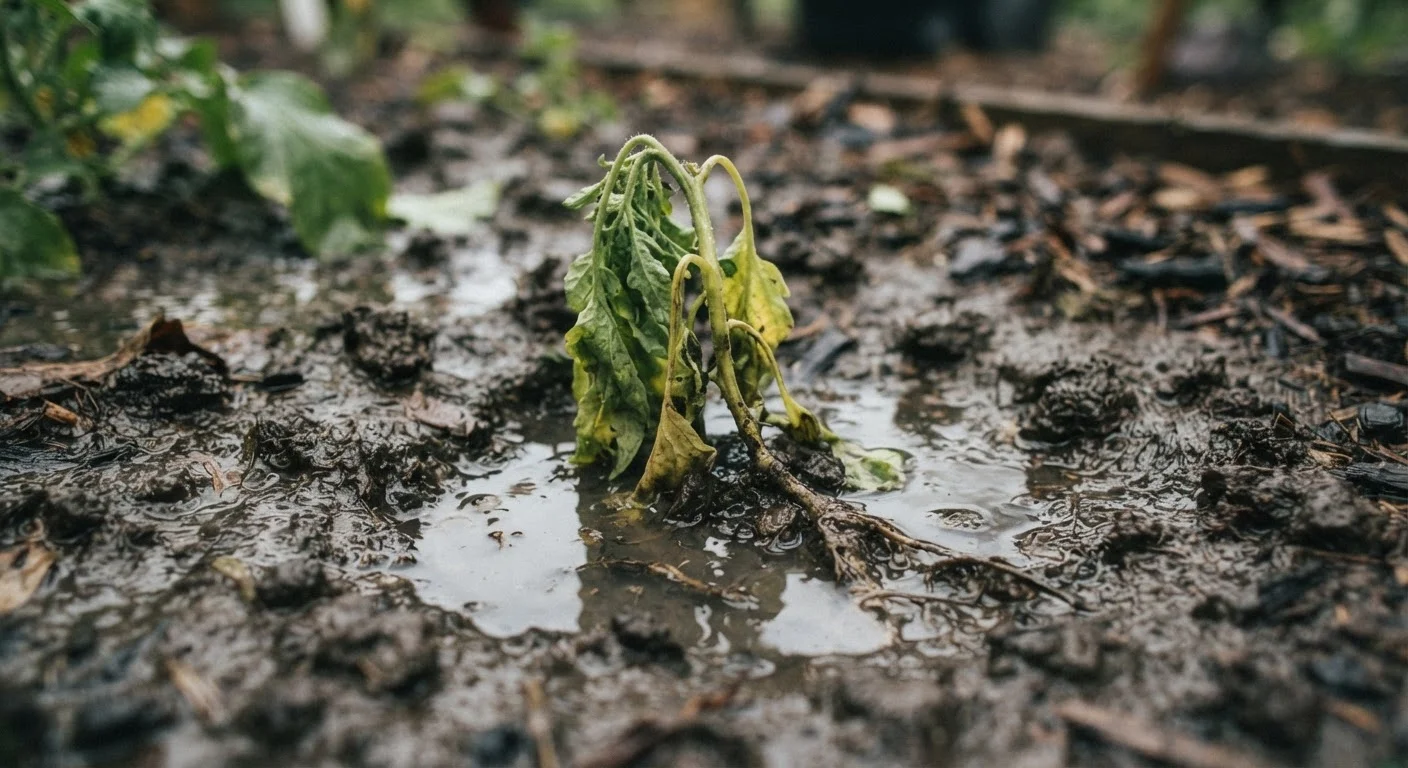
Photo credit: FaqsInsights.com | Stay Informed, Stay Ahead
In this article
Overwatering is one of the most common garden errors. Understand the signs, the science behind root suffocation, and how to water smarter.
Key Takeaways
- Overwatering suffocates roots by displacing the oxygen they need to absorb nutrients.
- Yellowing leaves and soggy soil are early warning signs that are easy to misread as underwatering.
- Watering on a fixed schedule ignores soil moisture, plant type, and seasonal variation.
- Checking soil moisture two inches below the surface before watering prevents most overwatering damage.
- Good drainage - not just watering frequency - determines whether plants thrive or decline.
Why Roots Suffocate in Saturated Soil
Water is essential to plant life, but the relationship between roots and moisture is more nuanced than simply more water equals healthier growth. Roots need oxygen just as much as they need water. In well-draining soil, air pockets between particles supply the oxygen roots use for cellular respiration - the process that lets them absorb nutrients and water efficiently.
When soil stays saturated for extended periods, those air pockets fill with water. The result is a low-oxygen environment that root cells cannot tolerate. Roots begin to die, and the decay creates conditions where anaerobic fungi - particularly Phytophthora and Pythium species - thrive. This is root rot: a fungal disease that takes hold not because of poor soil or bad luck, but because of persistently wet conditions.
The cruel irony is that once root rot damages the plant's ability to absorb water, the plant begins to wilt and show drought-like symptoms - even while sitting in soaked soil. Many gardeners respond by watering more, which accelerates the decline.
Root Rot Can't Be Reversed Once Advanced
Once root rot caused by chronically wet soil has progressed significantly, the affected roots are dead and cannot recover. Early intervention - reducing watering, improving drainage, and repotting container plants if necessary - is the only effective response. If you notice persistent yellowing, mushy stems near the soil line, or a sour smell from the soil, act immediately rather than waiting to see if the plant bounces back.
Common Overwatering Mistakes and How to Correct Them
Most overwatering problems trace back to a small number of repeatable errors. Understanding why each mistake happens makes it far easier to break the habit.
Watering on a rigid daily or weekly schedule regardless of actual soil conditions.
Why it happens: Fixed routines feel responsible and easy to remember, so many gardeners treat watering like a chore with a set due date rather than a response to plant need.
Treating yellowing or drooping leaves as automatic proof of underwatering.
Why it happens: Drought stress is the most widely recognized cause of plant distress, so gardeners instinctively reach for the watering can at the first sign of decline.
Ignoring drainage quality and assuming more water compensates for poor soil structure.
Why it happens: Many gardeners focus entirely on watering frequency while overlooking whether excess water can actually escape the root zone.
Applying the same watering volume to all plants regardless of species or growth stage.
Why it happens: Convenience leads gardeners to water everything in one pass with the same duration and volume, ignoring that succulents, vegetables, and shade perennials have very different moisture needs.
Overwatering in cool seasons or after rainfall without adjusting the schedule.
Why it happens: Automated timers and habitual routines don't account for weather changes, leading to continued watering even when soil is already saturated from rain or lower evaporation rates.
Mulching around plants helps moderate soil moisture swings, but applied too thickly it can also trap excess moisture near stems. Our article on garden mulching pros and cons covers how to use mulch without creating new moisture problems.
Building a Smarter Watering Habit
The goal isn't to water less across the board - it's to water in response to actual conditions rather than a calendar. A few practical shifts make this straightforward.
#1
Cause of houseplant and garden plant death
Horticultural extension services consistently cite overwatering as the leading cause of plant loss among home gardeners, outpacing drought, pests, and disease.
2 inches
Optimal soil-check depth before watering
University cooperative extension programs generally recommend checking soil moisture at a 2-inch depth as the most reliable low-tech method to avoid overwatering.
Check before you water. Make soil-moisture checking a non-negotiable first step. Two fingers pressed two inches into the soil give you more useful information than any fixed schedule.
Water deeply and less frequently. When you do water, apply enough to reach the full root zone rather than just wetting the surface. Shallow, frequent watering encourages roots to stay near the surface where they're vulnerable, while infrequent deep watering builds stronger, more drought-resilient root systems.
Match your method to your garden. Overhead sprinklers wet foliage and can contribute to fungal problems in humid climates. Drip irrigation delivers water directly to the root zone with less evaporation and foliar contact. And if you're questioning whether your current planting setup even allows for good drainage, consider how your garden structure affects water retention - raised beds offer notable drainage advantages over dense clay in-ground soils.
Don't Use Wilting as Your Watering Cue
Wilting can signal both underwatering and overwatering - and treating an overwatered plant with more water accelerates its decline. Before adding water, press two fingers about two inches into the soil. If it still feels moist, wait another day or two regardless of how the foliage looks. Wilting in waterlogged soil is a sign of root failure, not drought stress.
Smarter watering is less about restraint than about observation. Paying attention to your specific soil, plant signals, and seasonal shifts puts you ahead of the single most common cause of garden plant loss - before it takes hold.

Author
Home & Garden Editorial Team
Home & Garden Editorial Team is the collective byline for our editorial team and contributor network. Articles published under this byline or an editorial pen name are researched, written, and reviewed according to our editorial standards for clarity, consistency, and independence before publication.
View all articles →