
Garden Mulching: Pros, Cons, and What Most Gardeners Overlook
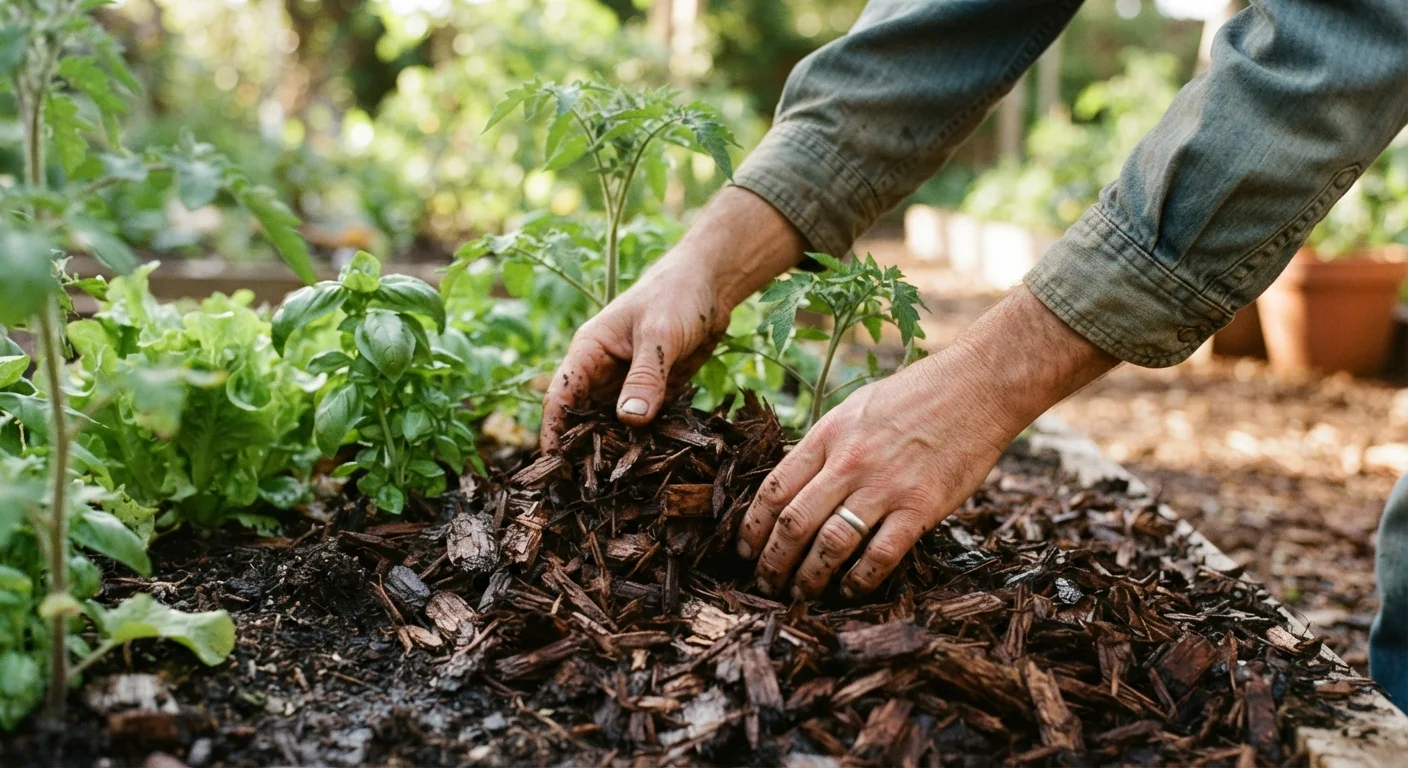
Photo credit: FaqsInsights.com | Stay Informed, Stay Ahead
In this article
Mulch conserves moisture and suppresses weeds, but applying it wrong can backfire. A balanced look at when and how to mulch effectively.
Key Takeaways
- Mulch conserves soil moisture and can significantly reduce how often you need to water.
- Applied too thickly or against plant stems, mulch creates conditions for rot and disease.
- Different mulch types suit different goals - organic mulches feed the soil; inorganic ones offer longevity.
- Volcano mulching (piling mulch against tree trunks) is a common mistake that slowly harms trees.
- Timing and depth matter: 2-4 inches is generally effective; more can suffocate roots.
Significantly reduces soil moisture loss
A mulch layer slows evaporation from the soil surface, helping plants stay hydrated between watering sessions. This is especially valuable during summer heat or in regions prone to drought stress.
Suppresses weed germination effectively
By blocking light from reaching the soil surface, mulch prevents many weed seeds from germinating. While it won't eliminate all weeds, it substantially reduces the time spent pulling them.
Moderates soil temperature swings
Mulch acts as insulation, keeping soil cooler in summer and slowing heat loss in fall. This buffer protects roots from temperature extremes that stress plants.
Organic types build soil health over time
As wood chips, straw, and bark break down, they add organic matter that feeds beneficial soil microbes and gradually improves drainage and aeration. It's a slow but meaningful long-term benefit.
Reduces soil compaction and erosion
Mulch cushions the impact of rain and foot traffic, helping maintain soil structure. This is particularly useful in bare garden beds exposed to heavy seasonal rain.
Too much depth can suffocate roots
Layers thicker than four inches limit the movement of water and oxygen into the soil. Root systems - especially those of newly planted specimens - can struggle in heavily mulched beds.
Creates habitat for slugs and rodents
Dense mulch provides shelter for slugs, voles, and other pests that damage plants. This risk is higher in shaded, persistently moist gardens.
Volcano mulching damages trees over time
Piling mulch against tree trunks keeps bark wet, inviting decay and pest entry. This widespread practice can cause slow, hard-to-reverse damage to otherwise healthy trees.
Can introduce weed seeds or pathogens
Low-quality or insufficiently composted mulch may carry weed seeds or fungal spores. Sourcing mulch from reputable suppliers or making your own reduces this risk.
Inorganic mulches offer no soil benefit
Gravel, rubber mulch, and landscape fabric suppress weeds but don't improve soil biology. Over years, they may become difficult to remove and can alter soil drainage patterns.
What Mulching Actually Does (and Why It Matters)
Mulch is any material - organic or inorganic - spread over the soil surface around plants. Its primary jobs are to reduce moisture evaporation, moderate soil temperature, and interrupt weed germination. Secondary benefits depend on the material: organic mulches like shredded bark, straw, or wood chips break down over time and contribute organic matter to the soil, supporting microbial life and improving structure.
Inorganic options such as gravel, landscape fabric, or rubber mulch don't decompose, so they offer durability without the soil-feeding benefit. Each has its place, but choosing based on your actual garden goals - rather than habit or aesthetics - makes a real difference. Understanding your soil first is worth the effort; see our guide to soil pH for context on what your plants are working with underground.
Significantly reduces soil moisture loss
A mulch layer slows evaporation from the soil surface, helping plants stay hydrated between watering sessions. This is especially valuable during summer heat or in regions prone to drought stress.
Suppresses weed germination effectively
By blocking light from reaching the soil surface, mulch prevents many weed seeds from germinating. While it won't eliminate all weeds, it substantially reduces the time spent pulling them.
Moderates soil temperature swings
Mulch acts as insulation, keeping soil cooler in summer and slowing heat loss in fall. This buffer protects roots from temperature extremes that stress plants.
Organic types build soil health over time
As wood chips, straw, and bark break down, they add organic matter that feeds beneficial soil microbes and gradually improves drainage and aeration. It's a slow but meaningful long-term benefit.
Reduces soil compaction and erosion
Mulch cushions the impact of rain and foot traffic, helping maintain soil structure. This is particularly useful in bare garden beds exposed to heavy seasonal rain.
The Downsides Gardeners Often Discover Too Late
Mulch problems are rarely dramatic - they tend to show up slowly, which is part of what makes them easy to miss. The most widespread issue is over-application. A layer deeper than four inches can prevent rainwater from reaching roots, create anaerobic (oxygen-poor) conditions that damage soil biology, and trap so much moisture against plant stems that crown rot becomes likely.
Pest habitat is another underappreciated drawback. Thick mulch provides ideal cover for slugs, voles, and certain fungal pathogens. In wet climates especially, this can work against the garden rather than for it. For an integrated view of managing these problems without chemical shortcuts, our organic pest control overview covers evidence-informed approaches.
Too much depth can suffocate roots
Layers thicker than four inches limit the movement of water and oxygen into the soil. Root systems - especially those of newly planted specimens - can struggle in heavily mulched beds.
Creates habitat for slugs and rodents
Dense mulch provides shelter for slugs, voles, and other pests that damage plants. This risk is higher in shaded, persistently moist gardens.
Volcano mulching damages trees over time
Piling mulch against tree trunks keeps bark wet, inviting decay and pest entry. This widespread practice can cause slow, hard-to-reverse damage to otherwise healthy trees.
Can introduce weed seeds or pathogens
Low-quality or insufficiently composted mulch may carry weed seeds or fungal spores. Sourcing mulch from reputable suppliers or making your own reduces this risk.
Inorganic mulches offer no soil benefit
Gravel, rubber mulch, and landscape fabric suppress weeds but don't improve soil biology. Over years, they may become difficult to remove and can alter soil drainage patterns.
The Mistake Most Gardeners Don't Know They're Making
Volcano mulching - the practice of piling mulch in a cone shape against the base of a tree trunk - is one of the most common and damaging errors in residential landscaping. It looks intentional and tidy, but it keeps bark constantly moist, encourages decay, and can invite pests and disease into the trunk. The correct approach is a flat, even layer that stops several inches away from the trunk flare.
Keep Mulch Away from Plant Stems and Trunks
A common visual cue: if mulch is touching the bark of a tree or the stem of a shrub, it's too close. Leave at least a 2-3 inch gap around tree trunk flares and a 1-2 inch gap around shrub and perennial stems. This simple habit prevents the majority of mulch-related plant health problems. It also helps you spot early signs of pest or disease activity at the base of plants.
A similar error occurs with shrubs and perennials: pushing mulch directly against stems restricts airflow and creates conditions for fungal problems. Think of mulch as a ground cover, not a plant wrap. Always leave a visible gap around the base of any woody plant.
Timing also matters. Mulching too early in spring - before the soil warms - delays the soil warming that cool-season plants need. Mulching too late in fall can trap warmth and confuse plants that need cold dormancy cues. Aim to mulch in late spring once soil has warmed, and again in late fall after the first hard frost.
Choosing the Right Mulch for Your Garden
The mulch that works well in one garden may create problems in another. Straw is excellent in vegetable beds - it's lightweight, easy to move at planting time, and breaks down to feed the soil. Wood chips are better suited to trees, shrubs, and paths, where they can break down slowly without competing with shallow-rooted annuals. Fine bark works well around ornamental beds.
If you're already composting at home, finished compost can serve as a mulch layer that simultaneously feeds and protects - see our composting guide for how to get there. Landscape fabric paired with mulch is popular for weed suppression in ornamental beds, but it can impede water and air exchange over time and becomes difficult to remove once roots grow through it.
2-4 inches
Recommended mulch depth for most garden beds
This range is widely cited by cooperative extension programs as the effective zone - enough to suppress weeds and retain moisture without impeding drainage.
25-50%
Potential reduction in soil moisture loss
Research from university extension services suggests mulched soils can lose substantially less moisture to evaporation compared to bare soil under similar conditions.
Watering strategy pairs closely with mulching decisions. If you use a drip irrigation system, mulch compounds its efficiency by reducing surface evaporation. Together, these two practices can meaningfully cut your outdoor water use during dry months.

Author
Home & Garden Editorial Team
Home & Garden Editorial Team is the collective byline for our editorial team and contributor network. Articles published under this byline or an editorial pen name are researched, written, and reviewed according to our editorial standards for clarity, consistency, and independence before publication.
View all articles →