
Organic Pest Control Methods That Hold Up to Scrutiny
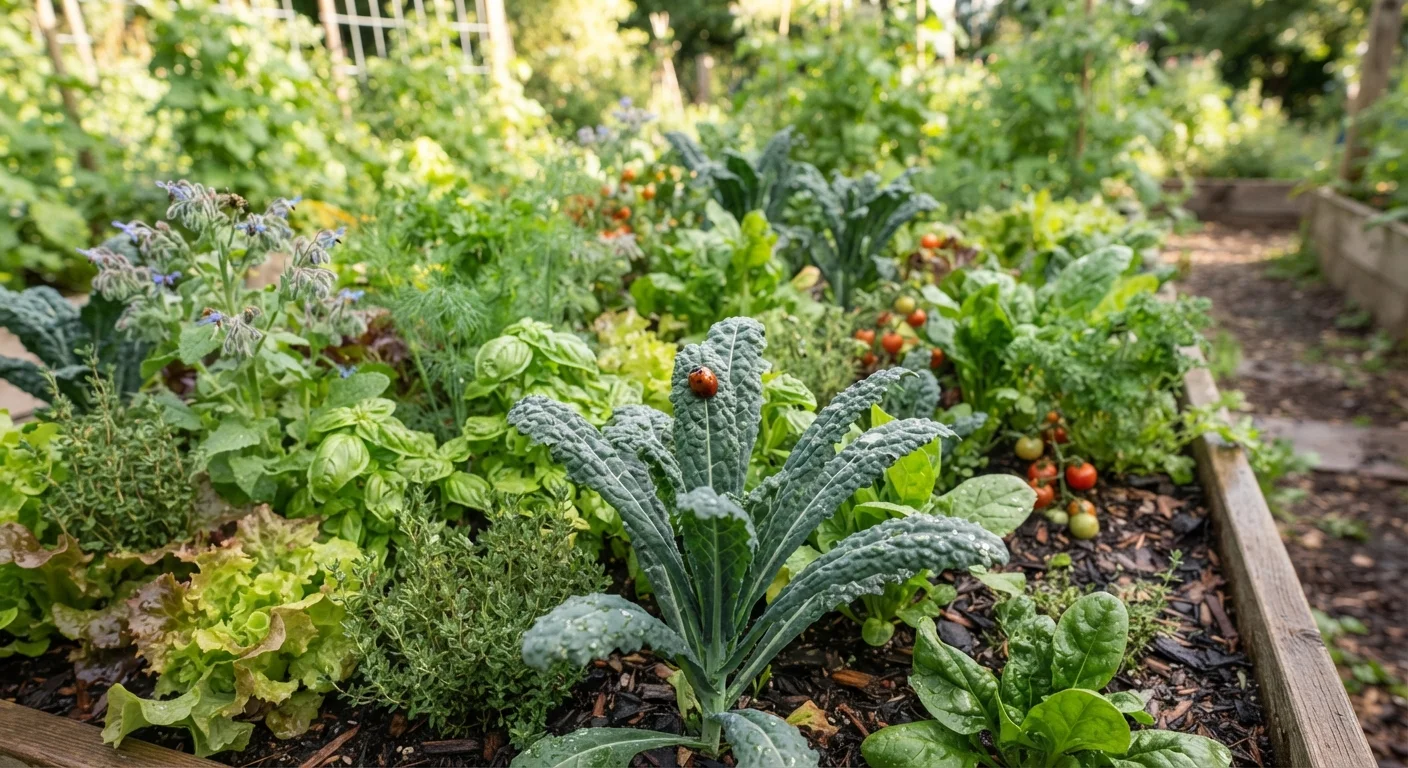
Photo credit: FaqsInsights.com | Stay Informed, Stay Ahead
In this article
Explore evidence-informed, chemical-free approaches to managing common garden pests without disrupting beneficial insects or soil health.
Key Takeaways
- Healthy soil and plant diversity naturally reduce pest pressure before problems start.
- Physical barriers and targeted removal are often more effective than sprays.
- Beneficial insects are powerful allies - avoid practices that disrupt them.
- Many organic sprays, including neem oil, still require careful application to avoid harming non-target species.
- Consistent monitoring lets you catch infestations early, when they're easiest to manage.
Why Organic Pest Control Deserves a Closer Look
The phrase "organic pest control" gets used loosely - sometimes to describe genuinely effective, ecology-based strategies, and sometimes to market products that are simply "natural" without being particularly useful or safe. This article focuses on approaches with a meaningful evidence base: methods that have held up in horticultural research, experienced gardeners' practice, or both.
The goal isn't to eliminate every pest - that's neither achievable nor desirable. Insects, even many that feed on plants, are part of the food web that supports birds, beneficial predators, and soil health. Effective pest management means keeping damage below a threshold that threatens plant health, not achieving a sterile garden.
~80%
Pest pressure reduction from healthy soil and diversity
University extension research consistently notes that well-nourished plants in biodiverse plantings experience substantially less pest damage compared to stressed monocultures.
3-5 days
Typical Bt breakdown time in field conditions
Studies from organic agriculture researchers show Bacillus thuringiensis degrades under UV light within a few days, limiting its environmental persistence.
Start With the Soil and the Plant
The most durable pest control happens before a pest arrives. Stressed plants - those growing in poor soil, receiving inconsistent water, or planted in the wrong light conditions - are measurably more attractive to many pest species. Aphids, for example, are drawn to the soft, nitrogen-rich tissue of over-fertilized plants.
Building genuinely healthy soil through composting reduces this vulnerability. Our guide to composting at home walks through the process of creating rich, biologically active compost that strengthens root systems and overall plant resilience.
Plant diversity is equally important. Monocultures concentrate the exact resources a specialist pest needs. Mixing crops, herbs, and flowering plants disrupts this dynamic. Companion planting - when chosen based on evidence rather than folklore - can mask host plants, attract predatory insects, or physically impede pest movement.
Test Your Soil Before Adjusting Inputs
Soil nutrient imbalances - particularly excess nitrogen - can make plants more susceptible to certain pest species. Before adding amendments, consider a basic soil test. Our soil pH guide explains what tests reveal and how to act on the results.
Evidence-Backed Practices to Manage Pests Organically
The following practices represent a range of interventions - from purely physical to low-toxicity biological - that are well-supported by horticultural experience and, where noted, research.
Install physical row covers and netting before pest populations establish.
Physical exclusion prevents egg-laying and feeding access without any chemical input. It's especially effective against cabbage moths, aphids blown in on wind, and cucumber beetles when applied at transplanting. Prevention is significantly easier than remediation once populations are established.
Hand-pick pests during morning inspections and drop them into soapy water.
Direct removal is highly effective for slow-moving or clustering pests like tomato hornworms, squash bugs, and Colorado potato beetle larvae. Morning inspections catch pests before heat increases their activity, and consistent removal prevents populations from reaching damaging thresholds.
Introduce or conserve habitat for beneficial predatory insects.
Ladybugs, lacewings, parasitic wasps, and ground beetles are effective natural predators of aphids, caterpillar eggs, and other common pests. They require undisturbed habitat, nectar sources from flowering plants, and freedom from broad-spectrum pesticide exposure to thrive and reproduce.
Apply insecticidal soap spray only to actively infested plant surfaces.
Properly diluted insecticidal soap (potassium salts of fatty acids) disrupts the cell membranes of soft-bodied insects on contact and breaks down quickly without persistent residue. Targeted application minimizes impact on non-pest species and avoids the phytotoxicity risk that comes with over-application or use during heat.
Use Bacillus thuringiensis (Bt) selectively for caterpillar management.
Bt is a naturally occurring soil bacterium whose protein disrupts the digestive systems of caterpillars when ingested. It is specific to lepidopteran larvae, breaks down in UV light within days, and has an established track record in certified organic production. It does not affect earthworms, beetles, or most beneficial insects.
Quick-Start Actions for This Season
If you're mid-season and dealing with active pest pressure, the following actions can make a measurable difference without reaching for broad-spectrum sprays.
For container growers facing limited space, the same principles apply. Our container gardening guide includes pest-awareness tips specific to pots and planters where problems can escalate quickly.
What to Approach With Caution
Not every widely circulated organic remedy performs as advertised. Diatomaceous earth, for instance, is effective against soft-bodied crawling insects but loses efficacy when wet, is non-selective (it harms beneficial ground beetles too), and should not be inhaled during application. Similarly, neem oil - derived from the neem tree and legitimately useful as a contact and systemic disruptor for many pests - can harm aquatic invertebrates if it runs off into water and may affect certain pollinators if applied during flowering hours.
"Organic" Does Not Mean "Harmless"
Several substances approved for organic use - including copper-based fungicide-pesticides, spinosad, and pyrethrin - can harm beneficial insects, soil organisms, or aquatic life when misused. Always read label instructions fully, apply at the recommended time of day (typically early morning or evening to reduce pollinator exposure), and apply only to affected areas rather than the whole garden.
Mulching correctly also plays a supporting role by reducing the moist, bare-soil conditions some pests prefer. Our guide to garden mulching covers the details, including common application mistakes that can backfire.
Ultimately, organic pest management works best as a system rather than a collection of standalone fixes. Each layer - healthy soil, diverse plantings, physical barriers, careful use of low-toxicity treatments, and regular monitoring - reinforces the others.

Author
Home & Garden Editorial Team
Home & Garden Editorial Team is the collective byline for our editorial team and contributor network. Articles published under this byline or an editorial pen name are researched, written, and reviewed according to our editorial standards for clarity, consistency, and independence before publication.
View all articles →