
Soil pH and Why It Quietly Controls Everything in Your Garden
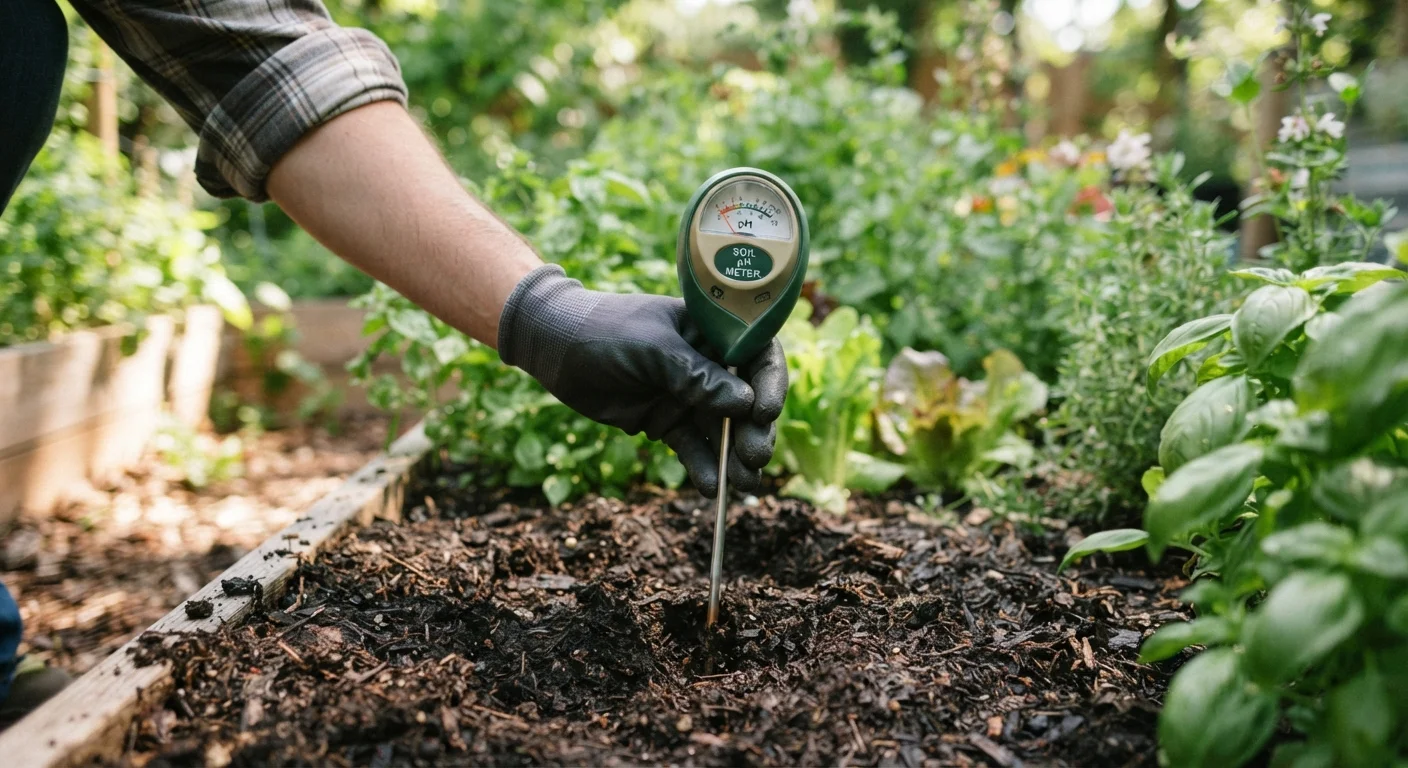
Photo credit: FaqsInsights.com | Stay Informed, Stay Ahead
In this article
Learn what soil pH means, how it affects nutrient availability, and why testing yours is the first step to a healthier garden.
Key Takeaways
- Soil pH controls which nutrients plants can absorb, regardless of how much fertilizer you apply.
- Most vegetables and ornamentals prefer a slightly acidic to neutral range of 6.0-7.0.
- A basic soil test - available at most garden centers and cooperative extension offices - reveals your pH quickly and inexpensively.
- You can raise soil pH with lime and lower it with elemental sulfur, but changes happen gradually.
- Matching plants to your existing pH is often easier than dramatically altering the soil.
What Soil pH Actually Does
Think of soil pH as a dial that controls the lock on a nutrient cabinet. Your soil may be full of iron, manganese, phosphorus, and calcium - but if pH is out of range, the cabinet stays locked and plant roots simply cannot access what's inside.
When soil becomes too acidic (pH below 6.0), nutrients like phosphorus become chemically bound to soil particles and unavailable to plants. At the same time, metals such as aluminum and manganese may reach levels that are toxic to roots. Conversely, when soil is too alkaline (pH above 7.5), iron, zinc, and boron become difficult to absorb, causing visible deficiencies even in otherwise fertile soil.
This nutrient availability issue explains a frustrating pattern many gardeners experience: yellowing leaves, stunted growth, or poor fruiting despite regular fertilizing. In many of those cases, pH is the silent culprit. Fertilizer applied to pH-compromised soil is largely wasted.
6.0-7.0
Optimal pH range for most garden vegetables
Soil science references consistently identify this range as the zone of maximum nutrient availability for the majority of common vegetable crops.
0-14
Full span of the pH scale
The pH scale is logarithmic, meaning each whole-number change represents a tenfold difference in acidity or alkalinity - small shifts have large effects.
4.5-5.5
Preferred pH for acid-loving plants like blueberries
Plants such as blueberries, azaleas, and rhododendrons are adapted to acidic soils and often decline in neutral or alkaline conditions regardless of fertilizer.
How to Test Your Soil (and What to Do With the Results)
Testing soil pH is straightforward and doesn't require any specialized knowledge. You have two main options:
- Home test kits or meters: These give a quick reading and are useful for monitoring changes over time. Accuracy varies by product, so use them as a general guide rather than a precise measurement.
- Cooperative extension soil testing: Most US states run cooperative extension programs through land-grant universities. For a modest fee, they'll test your soil pH along with nutrient levels and typically provide specific amendment recommendations for your region. This is the most reliable starting point.
When collecting samples, take soil from several locations in the bed you want to test - at a depth of about 4 to 6 inches - and combine them. This composite sample gives a more accurate picture of the whole area.
Once you have results, avoid rushing to make dramatic changes. Large, rapid pH shifts can stress plants and disrupt soil microbiology. Work amendments in gradually and retest after a full growing season before adjusting further. If you're starting a vegetable garden for the first time, testing before you plant anything is the smartest first move.
Time Your Amendments Before Planting
If your soil test shows pH needs correction, apply amendments in fall so they have the winter and early spring to work before your planting season begins. This gives you a better-prepared bed without having to work around established plants. Retesting in spring before planting confirms whether the target range has been reached.
Adjusting pH - and When Not To
When your pH is genuinely out of range for what you want to grow, two primary amendments do the work:
- To raise pH (make soil less acidic):
- Agricultural lime - most often ground limestone or dolomitic lime - neutralizes acidity over time. Dolomitic lime also adds magnesium, which can be beneficial in magnesium-deficient soils. Always apply based on soil test guidance rather than guessing at rates.
- To lower pH (make soil more acidic):
- Elemental sulfur is the standard choice. Soil bacteria oxidize it into sulfuric acid, gradually lowering pH. Acidifying fertilizers and organic materials like pine needles or peat moss can also have a mild acidifying effect over time.
One often-overlooked strategy: instead of altering your soil's natural pH, design your plantings around it. If your native soil tests at 5.5, blueberries, rhododendrons, azaleas, and ferns will likely thrive without amendment. This approach also tends to support healthier soil biology and natural pest resistance. Understanding your garden's natural conditions - including pH, but also light patterns and moisture - is the foundation of sustainable gardening. For a deeper look at how environmental variation shapes plant performance, see our guide on garden microclimates.
pH and the Bigger Picture of Soil Health
Soil pH doesn't operate in isolation. It's one variable in a complex system that includes organic matter, drainage, compaction, and microbial life. Healthy, biologically active soil - rich in organic matter - tends to buffer pH naturally, resisting dramatic swings in either direction. This is one reason adding compost is so consistently useful: it doesn't just feed plants, it stabilizes the conditions plants need.
Practices like mulching correctly can also indirectly influence soil pH over time by affecting organic matter levels and moisture retention. Similarly, the fertilizers and soil treatments you apply to your lawn interact with pH in ways that explain many common problems - something worth understanding alongside common lawn care misconceptions.
The practical takeaway: treat a soil test not as a one-time task but as a periodic check-in. Soil pH can shift over years due to rainfall, decomposing organic matter, and ongoing fertilization. Retesting every two to three years - or any time plants seem to underperform without an obvious cause - keeps you ahead of problems that are easy to prevent and much harder to reverse once entrenched.
“Understanding your soil is the first step toward becoming an effective gardener. You can't manage what you haven't measured.”
— University Cooperative Extension Soil Science Educators, Land-grant university extension programs providing public soil health education across the US
Frequently Asked Questions

Author
Home & Garden Editorial Team
Home & Garden Editorial Team is the collective byline for our editorial team and contributor network. Articles published under this byline or an editorial pen name are researched, written, and reviewed according to our editorial standards for clarity, consistency, and independence before publication.
View all articles →