
Starting a Vegetable Garden When You've Never Grown Anything Before
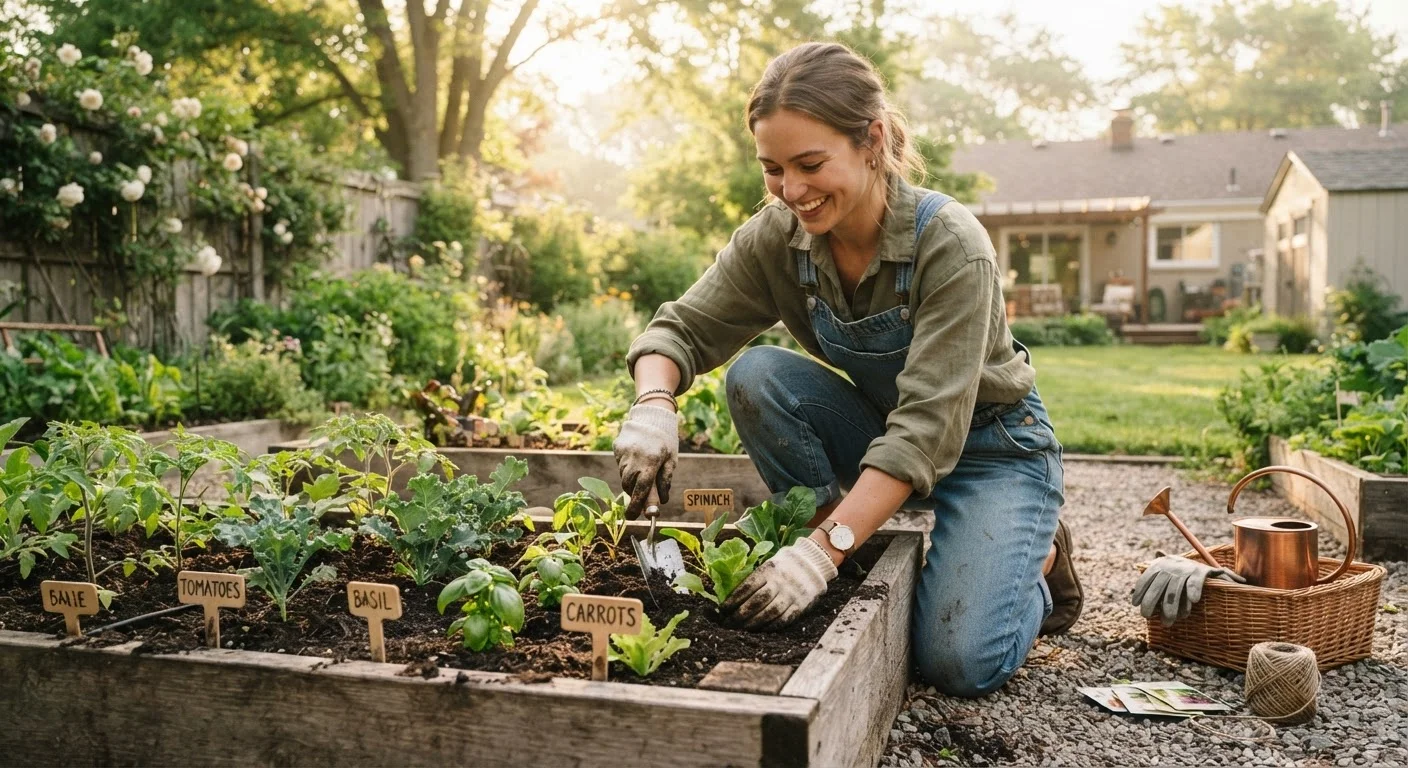
Photo credit: FaqsInsights.com | Stay Informed, Stay Ahead
In this article
A practical introduction to growing your own vegetables — covering site selection, soil prep, planting basics, and what to expect your first season.
Key Takeaways
- Six or more hours of direct sunlight per day is the single most important site requirement for most vegetables.
- Starting with a small, well-prepared bed is more effective than a large, poorly managed plot.
- Improving soil before planting is the investment that pays off most across the entire growing season.
- Beginner-friendly vegetables like lettuce, green beans, and zucchini reward new gardeners with reliable harvests.
- Consistent, deep watering encourages stronger roots than frequent shallow watering.
- Your first season is a learning season - imperfect results are normal and valuable.
Choosing the Right Spot
Before you buy a single seed packet, spend a few days observing your outdoor space. The single most important factor for vegetable gardening success is sunlight. Most food crops - tomatoes, peppers, beans, squash - need a minimum of six hours of direct sun daily, and eight hours is even better. A shady bed might support leafy greens like lettuce or spinach, but it will frustrate anyone hoping for summer tomatoes.
Walk your yard at different times of day and note which areas receive uninterrupted sun and which are shadowed by fences, trees, or the house itself. If your yard has distinct zones of light, temperature, or wind exposure, you're already thinking like a gardener. The concept of garden microclimates - small zones within your yard with different growing conditions - is worth understanding as your garden evolves.
Also consider proximity to a water source. Hauling a heavy hose or watering can long distances adds friction to the daily care routine. A spot within easy reach of a spigot keeps watering from becoming a chore you skip.
No Yard? Container Gardening Is a Real Option
If your outdoor space is limited to a balcony, patio, or small deck, you don't need to skip vegetable gardening entirely. Many crops - including tomatoes, lettuce, herbs, and peppers - grow successfully in containers. See our guide to container gardening for practical guidance on growing food in smaller spaces.
Understanding and Preparing Your Soil
Healthy soil is the foundation everything else depends on. Good vegetable garden soil is loose enough for roots to penetrate easily, drains well so roots aren't waterlogged, and holds enough moisture that plants don't dry out between waterings. Native soil in most yards needs improvement before it meets those criteria.
A simple soil test - available through most cooperative extension offices and many garden centers - tells you your soil's pH and basic nutrient levels. Vegetables generally prefer a pH between 6.0 and 7.0. Outside that range, nutrients become less available to plants even when they're present in the soil.
The most reliable way to improve nearly any soil is to add organic matter. Compost is the standard choice: it loosens clay soils, helps sandy soils retain moisture, and feeds soil biology that supports plant health. If you're interested in producing your own amendment, our guide to composting at home walks through the full process from kitchen scraps to finished compost. For a first garden, work two to four inches of compost into the top 8-12 inches of soil before planting.
Last frost date
The average calendar date after which freezing temperatures are unlikely in your local area. Used to time planting of frost-sensitive crops.
pH (soil)
A measure of soil acidity or alkalinity on a scale of 0-14. A pH of 7 is neutral; most vegetables grow best between 6.0 and 7.0.
Compost
Decomposed organic material - like kitchen scraps, leaves, and plant trimmings - used to improve soil structure, drainage, and fertility.
Transplant
A young plant that was started from seed elsewhere and is moved into the garden. Buying transplants saves time compared to starting seeds indoors.
Cool-season crop
A vegetable that grows best in cooler temperatures and can tolerate light frost, such as lettuce, spinach, peas, and broccoli.
Mulch
A layer of material - such as straw, wood chips, or shredded leaves - spread on the soil surface to suppress weeds and retain moisture.
What to Plant First
Resist the temptation to plant everything you find appealing in the seed catalog. A focused first garden - eight to ten plant types at most - is far easier to manage and more likely to produce satisfying results. Choose crops that are genuinely forgiving and match your climate and season.
Cool-season crops like lettuce, spinach, peas, and radishes tolerate light frost and can go in the ground several weeks before your last frost date. Warm-season crops - tomatoes, cucumbers, zucchini, green beans, peppers - need warm soil and nighttime temperatures consistently above 50°F. Planting warm-season crops too early is one of the most common beginner mistakes; cold soil stunts growth and increases disease risk.
For most beginners, a practical first garden might include: a row of lettuce for quick results (ready in 30-45 days), a few green bean plants for reliability and volume, one or two zucchini plants (highly productive), and a couple of cherry tomato plants for satisfaction. Start seeds indoors for crops that need a long growing season, or purchase transplants from a garden center to simplify the process in year one.
Start With Transplants to Build Confidence
If starting from seed feels like too many variables in your first season, buy transplants from a local nursery for crops like tomatoes, peppers, and herbs. You'll skip germination uncertainty and get to the more visible, rewarding stages of growth faster. Once you've grown a few successful crops, starting from seed becomes a natural next step.
Watering, Feeding, and Basic Care
Consistent watering is more important than perfect watering. Most vegetable gardens need about one inch of water per week - less in cool or cloudy weather, more during heat waves. Water deeply and less frequently rather than shallowly every day; deep watering encourages roots to grow downward, which makes plants more resilient during dry spells.
Water at the base of plants rather than overhead when possible. Wet foliage sitting overnight creates conditions that favor fungal diseases like powdery mildew and blight. A simple soaker hose or drip line accomplishes this efficiently and reduces your overall water use.
Feeding is secondary to good soil preparation, but vegetable gardens are heavy feeders and will benefit from supplemental nutrition during the growing season. A balanced, slow-release granular fertilizer worked in at planting, followed by a liquid feed every few weeks once plants are actively growing, covers most situations. Follow package directions - overfeeding, especially with nitrogen, produces lush foliage at the expense of fruit.
Weeding regularly - even just 10 minutes several times a week - prevents weeds from competing for water and nutrients and keeps the task manageable. A layer of mulch two to three inches deep around plants suppresses weeds, conserves moisture, and moderates soil temperature all at once.
What to Expect Your First Season
A first vegetable garden will not be perfect, and that's entirely normal. You will almost certainly experience some combination of: a plant that fails to thrive, a pest you weren't expecting, a harvest that comes all at once and overwhelms you, and at least one crop you wish you'd planted more of. None of that means you've failed - it means you're gardening.
Keep a simple notebook or phone note recording what you planted, when, what worked, and what didn't. That information is more valuable than any gardening book by the end of your first season because it's specific to your soil, your climate, and your yard.
Plan for ongoing seasonal tasks even after planting is done. The seasonal garden maintenance checklist is a useful reference for knowing what to do and when as your garden matures through the year. And if you're working with a limited outdoor footprint, container gardening offers a practical alternative that can work alongside or instead of an in-ground bed.
Growing your own food is a skill built over multiple seasons. The goal in year one is simple: plant something, care for it, harvest something, and learn. That foundation is what every experienced gardener started with.
USDA Plant Hardiness Zone Map
The official USDA zone map helps you identify your local climate zone, which informs which crops are suitable and when to plant them in your area.
Cooperative Extension Service (Land-Grant Universities)
Each US state has a cooperative extension service offering free, research-backed gardening guides, soil testing, and planting calendars tailored to local conditions.
Composting at Home: From Kitchen Scraps to Garden Gold
A step-by-step introduction to building your own compost system - an excellent complement to vegetable gardening that reduces waste and improves soil over time.
Frequently Asked Questions

Author
Home & Garden Editorial Team
Home & Garden Editorial Team is the collective byline for our editorial team and contributor network. Articles published under this byline or an editorial pen name are researched, written, and reviewed according to our editorial standards for clarity, consistency, and independence before publication.
View all articles →