
Garden Microclimates: What They Are and How to Use Them to Your Advantage
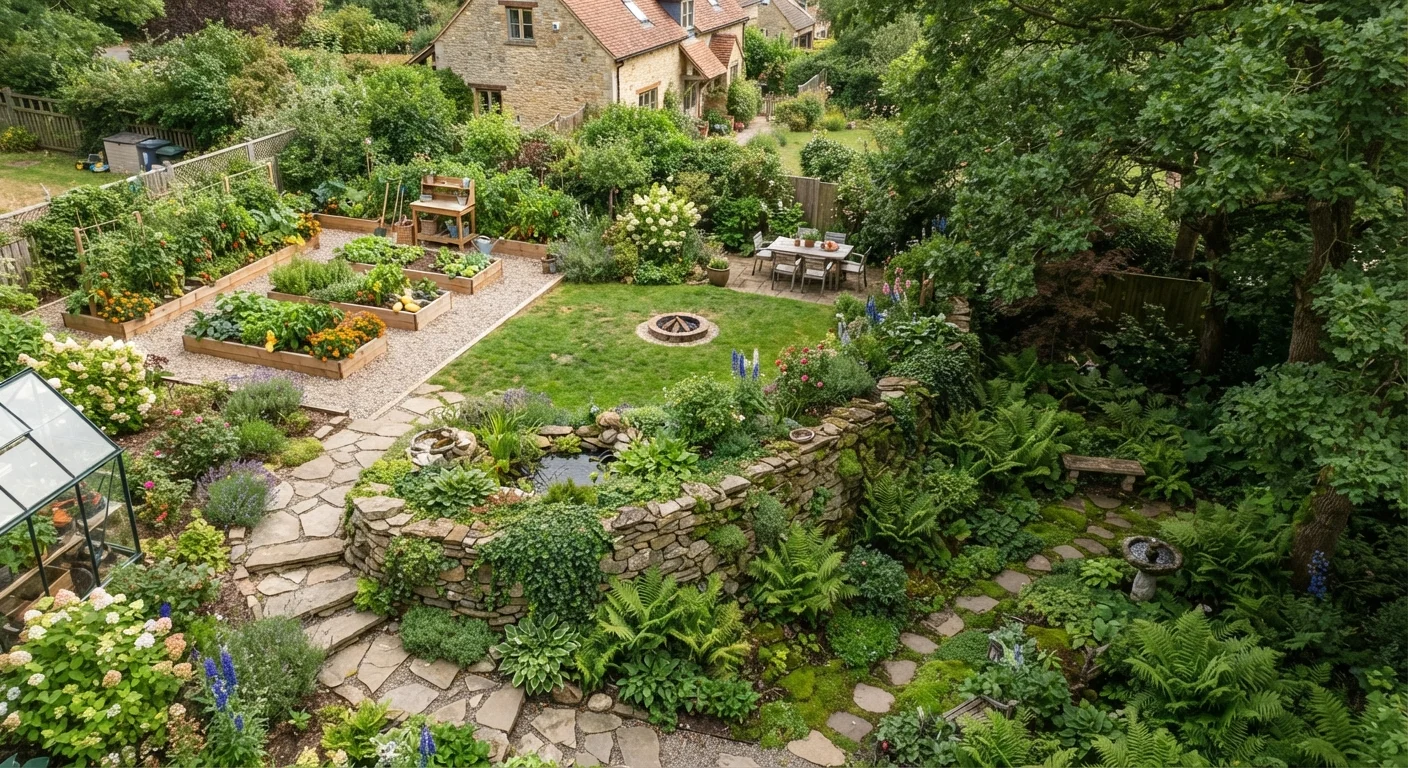
Photo credit: FaqsInsights.com | Stay Informed, Stay Ahead
In this article
Every yard has microclimates — small zones of differing temperature, light, and moisture. Learn to spot them and plant accordingly.
Key Takeaways
- Microclimates are small zones in your yard with distinct temperature, light, or moisture conditions.
- Common microclimate causes include walls, slopes, paved surfaces, shade trees, and bodies of water.
- Mapping your yard's microclimates helps you match the right plants to each zone.
- Frost pockets and heat traps are two of the most consequential microclimates to identify.
- You can deliberately create microclimates to extend your growing season or protect tender plants.
Why Microclimates Explain More Plant Failures Than You'd Think
You follow the planting instructions. You water consistently. Yet certain spots in your yard keep disappointing you - plants fail, wilt, or never thrive the way neighbors' gardens do. The likely culprit isn't your technique. It's that your yard has microclimates you haven't accounted for yet.
A microclimate is simply a localized area where growing conditions differ from the broader surroundings. The difference can be a few degrees of temperature, significantly more or less moisture, or hours of sun or shade. That gap, small as it sounds, is often the difference between a plant thriving and slowly declining. Understanding this is foundational - whether you're starting your first vegetable garden or refining an established landscape.
5-10°F
Temperature difference within a single yard
Urban climate research consistently documents variations of this magnitude between sun-exposed and sheltered spots on the same property.
2-4 weeks
Growing season extension near sheltered walls
Gardeners using south-facing walls as heat sinks often report a measurable extension of both the spring planting window and autumn harvest period.
3x
Faster soil moisture loss in exposed vs. sheltered beds
Wind exposure and direct sun can triple evaporation rates in open beds compared to those in sheltered microclimates, affecting watering frequency significantly.
The Main Forces That Create Microclimates
Several physical features routinely create microclimates in residential yards:
- Walls and fences: South- or west-facing masonry walls absorb heat during the day and radiate it at night, creating a noticeably warmer zone that can shelter tender plants through cooler weather.
- Slopes and low spots: Cold air is denser than warm air and flows downhill, pooling in low-lying areas. These frost pockets can be several degrees colder on still, clear nights - a serious concern for early-season plantings.
- Paved surfaces: Driveways, patios, and concrete paths absorb and re-emit heat, warming adjacent planting beds. This is why plants near hardscaping often emerge earlier in spring.
- Trees and structures: Mature trees or buildings create shade and shelter. The area under a large evergreen stays drier and cooler year-round - useful for shade-lovers, problematic for sun-hungry crops.
- Bodies of water: Ponds and water features moderate temperature swings, keeping nearby areas slightly warmer in autumn and cooler in summer.
Thoughtful backyard design often involves working with these forces rather than against them.
Start Observing Before You Plant
Resist the urge to fill a new bed immediately. Spending one full season simply watching how light, water, and frost behave across your yard will give you far more reliable planting decisions than any generic guide. Even a few weeks of observation before spring planting can prevent costly mistakes.
How to Map Your Yard's Microclimates
You don't need specialized equipment to map your microclimates - patience and observation matter more. Here's a practical approach:
- Track sun movement: Note which areas receive full sun (6+ hours), partial sun (3-6 hours), and shade throughout the day. Do this in both midsummer and early spring, since tree canopy changes how light falls.
- Watch for moisture patterns: After rain, observe which areas stay wet longest, which drain quickly, and which seem to repel water entirely. Moisture retention is closely tied to soil composition as well - worth pairing with a review of your soil's properties.
- Check for frost patterns: After a light frost, walk your yard before the sun hits it. Frost-free patches near walls or paved areas reveal warmer zones; persistently frosted low spots confirm frost pockets.
- Notice wind exposure: Which areas get buffeted by prevailing winds? Wind dramatically accelerates moisture loss and can cause cold damage on otherwise mild days.
Sketching a simple map with these observations gives you a reference you'll use every planting season.
Microclimates Shift as Your Garden Matures
As trees grow, shrubs fill in, and structures are added or removed, your yard's microclimates evolve. A sunny bed can become a shaded one within a few years as neighboring trees mature. Revisit your observations every few seasons rather than treating your microclimate map as permanently fixed.
Putting Microclimate Knowledge to Work
Once you've identified your zones, you can match plants to conditions instead of fighting them. Place heat-loving crops like tomatoes, peppers, and basil in warm, sheltered spots near south-facing walls. Reserve frost pockets for cold-tolerant plants or use them as locations where you don't risk tender specimens. Tuck shade-tolerant perennials and ferns under trees where sun-hungry plants would struggle.
You can also create microclimates deliberately. A low stone wall or raised bed with dark-colored sides will warm the soil faster in spring - useful if you're eager to extend your season. Dense evergreen plantings on the windward side of a garden create a windbreak that raises temperatures behind it and reduces moisture stress. Adding mulch strategically helps regulate soil temperature and retain moisture in zones prone to drying out.
For gardeners working with containers, microclimates matter just as much. A pot on a sun-baked concrete balcony dries far faster than one on a shaded wooden deck - a key insight explored in our guide to container gardening in small spaces. Similarly, choosing native plants adapted to your region gives you species already calibrated to local climate swings, making them more forgiving across your yard's varying zones.
“The garden that works with its site - reading every slope, wall, and shadow - will always outperform one imposed upon it.”
— Home & Garden Editorial Team, Editorial guidance on garden design and plant selection
Frequently Asked Questions

Author
Home & Garden Editorial Team
Home & Garden Editorial Team is the collective byline for our editorial team and contributor network. Articles published under this byline or an editorial pen name are researched, written, and reviewed according to our editorial standards for clarity, consistency, and independence before publication.
View all articles →