
Small Apartment, Smart Storage: Organizational Strategies for Tight Spaces
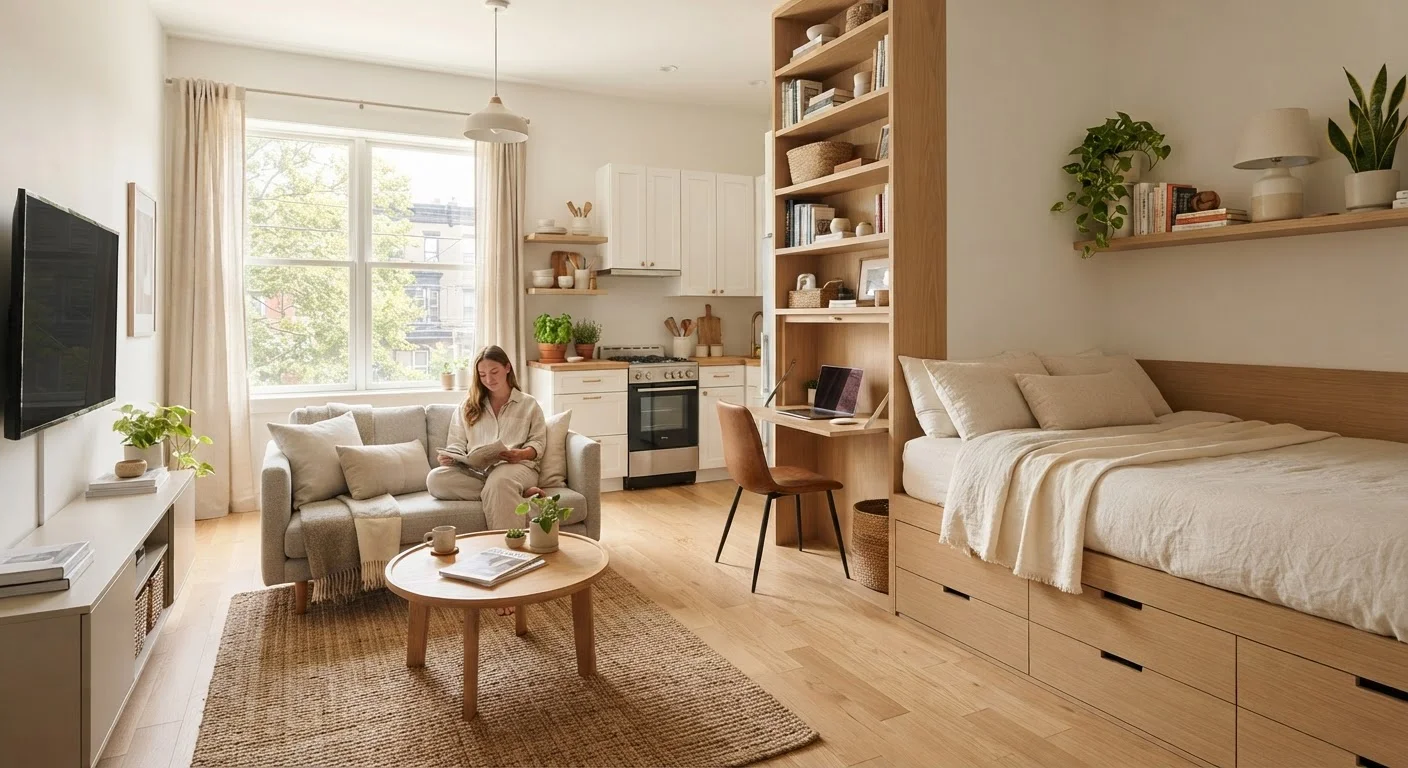
Photo credit: FaqsInsights.com | Stay Informed, Stay Ahead
In this article
Limited square footage demands creative thinking. Explore storage approaches tailored specifically to studio and small apartment living.
Key Takeaways
- Audit what you own before buying any new storage product - quantity drives the right solution.
- Vertical wall space is one of the most overlooked storage assets in small apartments.
- Furniture that serves two functions (seating plus storage) is essential in tight floor plans.
- Consistent labeling and zone-based organization sustain a system long after setup day.
- Hidden pockets of space - under beds, above door frames - can hold significant volume.
Why Small Spaces Require a Different Approach
Organizing a small apartment isn't simply a scaled-down version of organizing a larger home - it's a fundamentally different problem. When every square foot serves multiple functions and storage is scarce, the margin for disorganization is essentially zero. Clutter accumulates faster, retrieval becomes frustrating, and the psychological cost of a chaotic environment is disproportionately high when you can't escape to another room.
The good news is that constraint is a powerful design prompt. Limited space forces intentional decisions about what you keep, where it lives, and how your furniture works. The strategies here are built around that constraint - not fighting it, but using it to create a calmer, more deliberate home environment.
It's worth noting that small apartments operate by different rules than garages or large suburban homes. For context on what large-scale storage looks like, our garage organization guide covers a very different set of challenges. Apartment storage is about compactness, flexibility, and visibility.
What you will need
What You'll Need
Before diving into the steps, gather your tools and set realistic expectations. This process works best done in stages - starting with a thorough audit and measuring session before purchasing a single organizer. Impulse-buying storage bins without knowing your exact dimensions is one of the most common ways this process stalls.
Measuring tape
Accurately measure wall spans, furniture clearances, and storage cavities before purchasing any organizer or shelf.
Level
Ensures shelves and wall-mounted organizers are installed straight and stable.
Stud finder
Locates wall studs so anchors are secured properly for heavier shelf loads.
Stackable bins or baskets
Create consistent, labeled storage units that maximize vertical space inside closets and cabinets.
Vacuum storage bags
Compress seasonal clothing and bedding to a fraction of their original volume for under-bed storage.
Over-door organizers
Turn unused door surfaces into storage for shoes, pantry items, cleaning supplies, or accessories.
Check Your Lease Before Drilling
Many rental agreements restrict wall anchors, floating shelves, or permanent fixtures. Review your lease and contact your landlord before installing anything that requires drilling into walls or ceilings. Damage caused by unauthorized modifications can result in forfeited security deposits.
Step-by-Step: Building Your Storage System
Follow these steps in order. Each one builds on the last - skipping the audit and measurement phases often results in mismatched products, wasted money, and a system that collapses within weeks.
Audit your belongings before organizing
Pull everything out of closets, cabinets, and storage areas. Sort items into three groups: keep, donate/sell, and discard. Small apartments have no margin for items that aren't regularly used or genuinely valued. Reducing volume is always more effective than finding cleverer ways to store excess.
Measure every potential storage space
Use your measuring tape to record the height, width, and depth of closets, the clearance under beds and sofas, the space above cabinets, and any wall runs longer than 24 inches. Write these numbers down - purchasing storage products without measurements is the most common (and costly) mistake in small-space organization.
Assign zones for every category of item
Decide where each category of belonging will live: kitchen tools near the prep area, work materials near your desk, sleep-related items in and around the bed zone. In a studio, physical zones substitute for separate rooms. Keeping categories spatially consistent reduces the mental load of a shared living and sleeping environment. For catch-all clutter that doesn't fit neatly into a category, consider the approach outlined in our junk drawer reimagining guide.
Maximize vertical wall space
Walls are your most underused square footage. Install floating shelves above desks, sofas, and in hallways. Use tall, narrow bookcases rather than wide, low ones. Mount pegboards in kitchens or offices for tool and supply storage that keeps countertops clear. For a comprehensive framework on thinking vertically, see our guide to vertical storage.
Invest in dual-purpose furniture
In tight floor plans, furniture must earn its footprint. Ottomans with interior storage, beds with built-in drawers, benches with lift-top lids, and dining tables with shelf bases all perform double duty. When selecting pieces, prioritize storage volume and functionality alongside aesthetics. A handsome piece that wastes space is a luxury a small apartment can't always afford.
Activate hidden storage pockets
Under beds, above door frames, inside hollow ottomans, and behind sofa backs all represent storage volume that costs nothing to use. Flat, wheeled bins slide easily under platform beds. Over-door organizers hang without tools on most interior doors. Our guide to hidden storage spots walks through many of these opportunities room by room.
Label and maintain the system
Apply clear, consistent labels to every bin, basket, and shelf section. Schedule a brief monthly reset - 15 to 20 minutes to return displaced items to their zones and assess whether the system still fits your actual habits. Organization is not a one-time event; it's an ongoing, low-effort practice that prevents backsliding.
Label Everything for Long-Term Success
Systems fail when items have no designated home. Use simple labels on bins, baskets, and shelf sections so that every household member - and your future self - can maintain the order you've created. Even temporary adhesive labels outperform no labels at all.
Sustaining the System Over Time
A storage system is only as good as its maintenance. Small apartments are particularly vulnerable to seasonal accumulation - holiday décor, winter gear, and off-season clothing can overwhelm even a well-designed setup. Consider a seasonal rotation strategy to keep only what's currently relevant accessible, and archive the rest in compressed bags or labeled bins.
If you share your space with a partner, roommate, or family member, involve them in the zone-assignment and labeling process from the beginning. A system one person understands and another doesn't quickly becomes a source of friction rather than calm. Co-created systems are more durable than imposed ones.
Don't Overload Shelving or Furniture
Every shelf, over-door organizer, and storage ottoman has a weight limit. Exceeding it risks structural failure and potential injury. Check manufacturer specifications and distribute weight evenly, keeping heavier items on lower shelves where possible.

Author
Home & Garden Editorial Team
Home & Garden Editorial Team is the collective byline for our editorial team and contributor network. Articles published under this byline or an editorial pen name are researched, written, and reviewed according to our editorial standards for clarity, consistency, and independence before publication.
View all articles →