
Lure-Based Training vs. Shaping: Two Paths to the Same Behavior
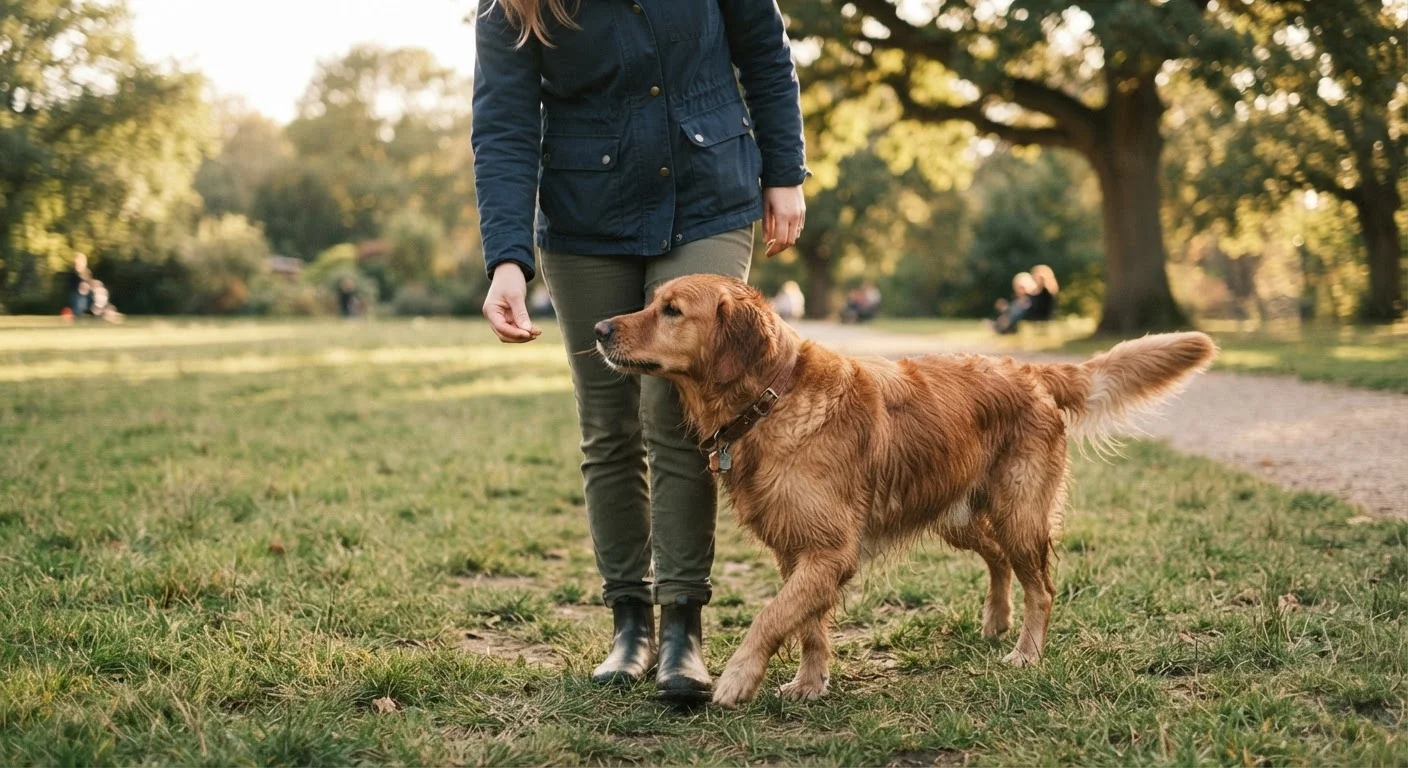
Photo credit: FaqsInsights.com | Stay Informed, Stay Ahead
In this article
Luring and shaping are both reward-based but work very differently. Compare their strengths and when each one fits best.
Key Takeaways
- Luring uses a treat or toy to physically guide a pet into position, making early learning fast and clear.
- Shaping rewards successive approximations of a behavior, letting the animal figure out the goal on its own.
- Lures must be faded promptly or pets may learn to wait for the prompt rather than respond to the cue.
- Shaping typically takes longer upfront but often produces more durable and generalized behaviors.
- Both methods are rooted in positive reinforcement and can be combined within a single training plan.
- The best choice depends on the behavior being taught, the pet's prior training experience, and the owner's skill level.
What Each Method Actually Does
Both lure-based training and shaping fall under the positive reinforcement umbrella - neither uses punishment, and both build behavior through reward. The difference lies in who is doing the guiding. To understand why that matters, it helps to start with the science behind how animals learn.
Lure-based training uses a reward - most commonly a high-value treat - held in the trainer's hand to physically guide the animal into a desired position or movement. To teach a dog to sit, for example, a trainer holds a treat at nose level and moves it slowly backward over the dog's head. The dog follows the scent, its rear drops, and the trainer marks and rewards the moment the sit completes. The animal performs the behavior because it is following the food, not because it has yet worked out what earns the reward.
Shaping takes a different approach entirely. The trainer identifies the finished behavior and then rewards any movement that even slightly resembles it - getting progressively closer to the goal with each training session. A dog learning to touch a mat with its paw, for instance, might first be rewarded for looking at the mat, then moving toward it, then sniffing it, then making contact. No lure is used; the animal discovers the answer through a sequence of rewarded approximations.
| Criterion | Lure-Based Training | Shaping |
|---|---|---|
| How behavior is produced | Trainer guides pet with food or toy | Pet discovers behavior through rewarded steps |
| Speed to first response | Fast - often within minutes | Slower - requires patience |
| Trainer skill required | Low to moderate | Moderate to high (precise timing) |
| Risk of prompt dependency | High if lure not faded properly | Low - no physical prompt used |
| Pet engagement level | Moderate - pet follows the food | High - pet actively problem-solves |
| Behavior durability | Good when lure is fully faded | Very good - pet understands the goal |
| Best suited to | Beginners, new behaviors, young pets | Experienced trainers, complex chains |
The Real-World Trade-Offs
Luring's biggest advantage is speed. Most pets produce a recognizable version of a new behavior within their first session. This makes it particularly valuable for first-time owners building an early training foundation who need visible progress quickly to stay motivated. The risk, however, is prompt dependency: if the lure is not deliberately and systematically faded after the behavior is established, the pet learns to wait for the treat in the hand rather than responding to the verbal or visual cue. Fading requires the trainer to phase out the visible food while keeping the reward for correct responses - a step many owners skip too quickly or too slowly.
Shaping demands more patience. Early sessions can feel slow because the trainer must wait for the animal to offer behavior rather than prompt it. However, pets trained through shaping tend to become noticeably more engaged during sessions - often described by trainers as thinking animals - because the animal has learned that its own actions generate rewards. This engagement tends to produce behaviors that hold up better in novel environments, since the pet understands the cue rather than following a physical prompt.
A Note on Marker Timing in Shaping
In shaping, the marker signal - whether a clicker or a short verbal cue like "yes" - must land within approximately half a second of the target behavior for the animal to connect the reward to the correct action. Delayed markers reward whatever the animal happens to be doing at that moment, not the approximation you intended. Practicing your marker timing before a shaping session, even with a human partner, meaningfully improves results.
Shaping is also more technically demanding for the trainer. Timing the marker (a clicker or a verbal "yes") precisely to the correct approximation is essential. Clicker training and verbal cues each have distinct strengths when used as the marker in shaping work.
Combining Both Approaches Effectively
The most pragmatic trainers don't treat luring and shaping as competing philosophies - they treat them as tools suited to different moments. A common and effective strategy is to lure the first few repetitions of a new behavior to give the animal a rough map of what's expected, then shift to shaping to refine the details and build reliability. This hybrid approach captures luring's speed while leveraging shaping's depth.
Reward timing and consistency matter regardless of which method you use. Understanding how reward schedules affect long-term behavior retention will help you decide when to reward every repetition and when to begin asking for more before the treat appears.
3-5 reps
Typical lure fade timeline per session
Animal behavior trainers generally recommend beginning to fade the lure within the first three to five successful repetitions to reduce the risk of prompt dependency developing.
0.5 sec
Optimal marker delivery window
Research on operant conditioning suggests markers delivered within half a second of the target behavior produce the clearest association between action and reward for most domestic animals.
If you're working in a group setting, the method you choose can also interact with environmental distractions and the pace of the class. Group classes and one-on-one training sessions each create different conditions for both luring and shaping to succeed. Luring tends to be easier to execute reliably in a busy group environment; shaping often benefits from the quieter, more controlled setting of private sessions where the trainer can take time to wait for and capture the right behaviors.
Whichever path you choose, consistency, short sessions, and a clear marker will do more for your progress than the method itself. Start with the approach that fits your current skill level, then expand your toolkit from there.

Author
Pets & Animals Editorial Team
Pets & Animals Editorial Team is the collective byline for our editorial team and contributor network. Articles published under this byline or an editorial pen name are researched, written, and reviewed according to our editorial standards for clarity, consistency, and independence before publication.
View all articles →