
Why Travelers Keep Leaving European Capitals Disappointed
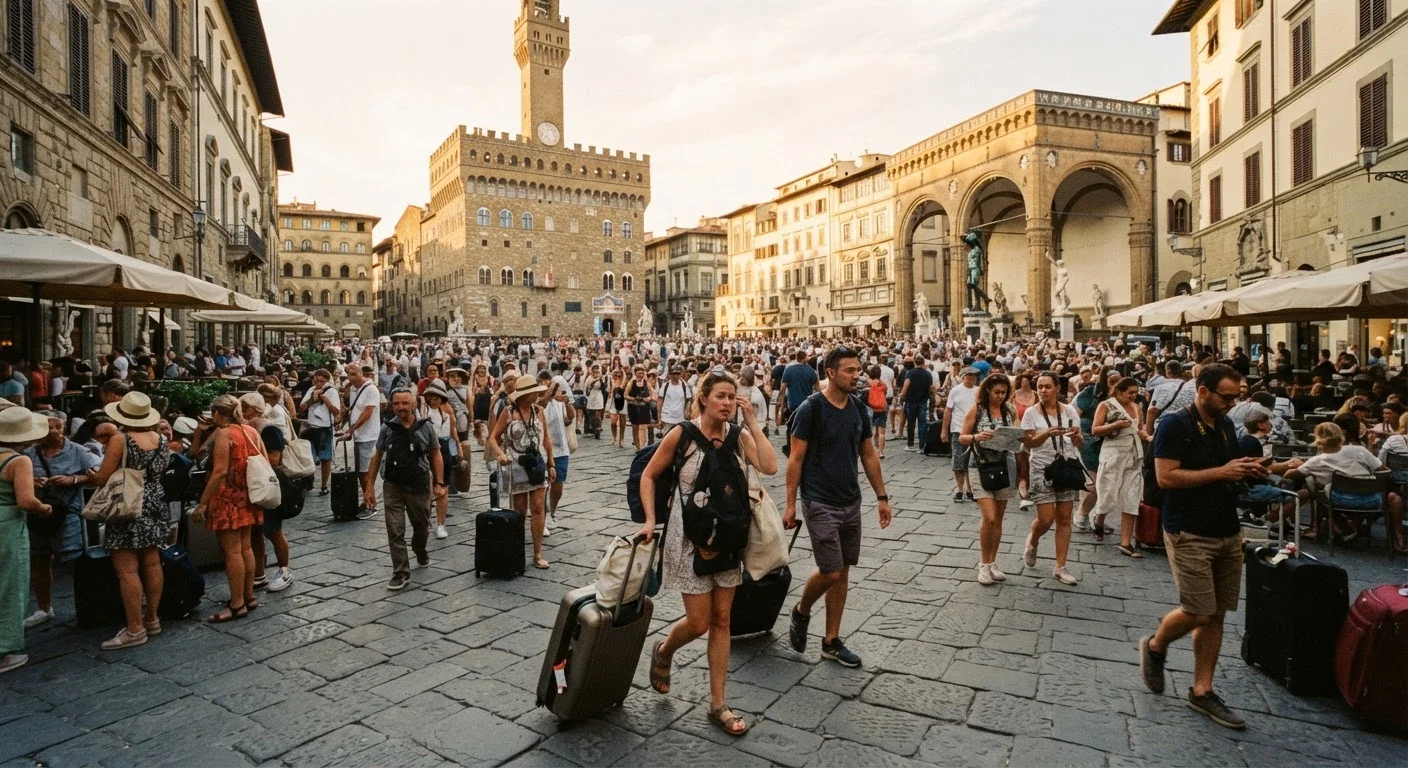
Photo credit: FaqsInsights.com | Stay Informed, Stay Ahead
In this article
Overcrowding, misaligned expectations, and poor timing are behind many letdowns. Here's what goes wrong and how to approach major cities differently.
Key Takeaways
- Misaligned expectations - not the city itself - are the most common source of disappointment.
- Visiting iconic sites without advance planning often leads to long queues and rushed experiences.
- Timing your visit around local rhythms, not tourist calendars, dramatically changes the experience.
- Staying in central tourist zones can insulate travelers from what makes a city genuinely interesting.
- Under-researching local transit and neighborhoods wastes hours that could be spent exploring.
The Gap Between Expectation and Experience
European capitals occupy an outsized place in the travel imagination. Paris is supposed to feel effortlessly chic; Rome eternally cinematic; Amsterdam perfectly canal-lit at golden hour. When a trip doesn't deliver that, travelers often blame the city - when the real issue is the distance between expectation and reality.
Much of that gap is manufactured. Travel content - whether on social media or in glossy guides - almost always depicts these cities at their most idealized: empty piazzas, uncrowded galleries, locals who have time to linger. The actual experience of arriving during peak season, jet-lagged and navigating a packed metro, rarely matches that image.
The good news is that the gap is closable. It just requires approaching European cities with a more grounded, curious mindset - and avoiding the planning mistakes that consistently derail otherwise promising trips. See our travel planning myths piece for a deeper look at the folklore that shapes poor decisions before you even leave home.
Expectations Shape Everything
Social media and travel marketing tend to present European capitals as perpetually golden, crowd-free, and effortlessly romantic. When reality doesn't match that image, disappointment is almost inevitable. Before any trip, it's worth actively stress-testing your expectations - researching what a destination is actually like during your travel window, not just at its most photogenic.
Common Mistakes That Lead to Letdown
The disappointments travelers bring home from European capitals are rarely random. They follow recognizable patterns - and nearly all of them are avoidable with modest adjustments to how you plan and move through a city.
Treating a 3-day visit like a comprehensive introduction to a major city.
Why it happens: Short city breaks are heavily marketed, and travelers often underestimate how large and layered European capitals actually are.
Visiting peak-season without accounting for crowds, prices, and reduced availability.
Why it happens: School calendars and work schedules push most travelers toward July and August, regardless of whether that's actually a good time to visit.
Booking accommodation only in the tourist center and never venturing beyond it.
Why it happens: Central locations feel safe and convenient, especially for first-time visitors unfamiliar with a city's transit system.
Skipping advance booking for major attractions and museums.
Why it happens: Many travelers assume they can turn up and buy tickets, not realizing that flagship museums in cities like Paris, Rome, or Amsterdam routinely sell out days or weeks ahead.
Eating almost exclusively at restaurants immediately surrounding tourist landmarks.
Why it happens: Hunger and unfamiliarity with transit make the nearest option feel easiest, but tourist-adjacent restaurants often prioritize turnover over quality.
For a broader look at the small logistical gaps that compound these issues on the road, the underrated details that derail well-planned trips is worth reading before you finalize any itinerary.
Don't Confuse Busy With Better
Visiting the most-talked-about attraction in a city doesn't guarantee a meaningful experience. Many of Europe's iconic landmarks are surrounded by commercial infrastructure - souvenir stalls, long queues, and tour groups - that dilutes any sense of place. Balance marquee sights with time in residential neighborhoods, local markets, and off-itinerary spaces to get a fuller picture of where you are.
How to Reset Your Approach
The travelers who leave European capitals energized rather than exhausted tend to share a few habits. They arrive with genuine curiosity about a place rather than a checklist of sites to photograph. They build in unscheduled time. They eat where locals eat, ride transit like residents, and treat getting briefly lost as part of the experience rather than a failure.
None of this requires abandoning planning entirely - winging it entirely has real tradeoffs too. The goal is a middle path: enough structure to anchor the trip, enough flexibility to respond to what you actually find. That balance is what separates travelers who leave wanting to return from those who feel they've ticked a box.
83%
Tourists who feel rushed on city trips
A survey by the European Travel Commission found that the majority of short-stay city visitors reported feeling they didn't have enough time to experience destinations meaningfully.
Top 5
European cities most affected by overtourism
Venice, Barcelona, Amsterdam, Dubrovnik, and Prague are frequently cited by urban researchers and local governments as experiencing significant overtourism pressure.
2-3x
Price premium near major landmarks
Consumer travel research consistently shows that restaurants and cafes within a short walk of iconic European sites charge significantly more than comparable venues a short distance away.
If you're still ironing out the practical details - including entry requirements - our guide on what travelers get wrong about visa requirements covers the paperwork pitfalls worth checking early. And for anyone whose best-laid plans have still unraveled mid-trip, why plans fall apart on the road offers a candid look at what actually goes wrong - and how to recover.
For more practical strategies across every stage of your journey, explore our travel tips hub and trip planning resources.

Author
Travel & Trips Editorial Team
Travel & Trips Editorial Team is the collective byline for our editorial team and contributor network. Articles published under this byline or an editorial pen name are researched, written, and reviewed according to our editorial standards for clarity, consistency, and independence before publication.
View all articles →