
Understanding Travel Advisories: What the Levels Mean and How to Read Them
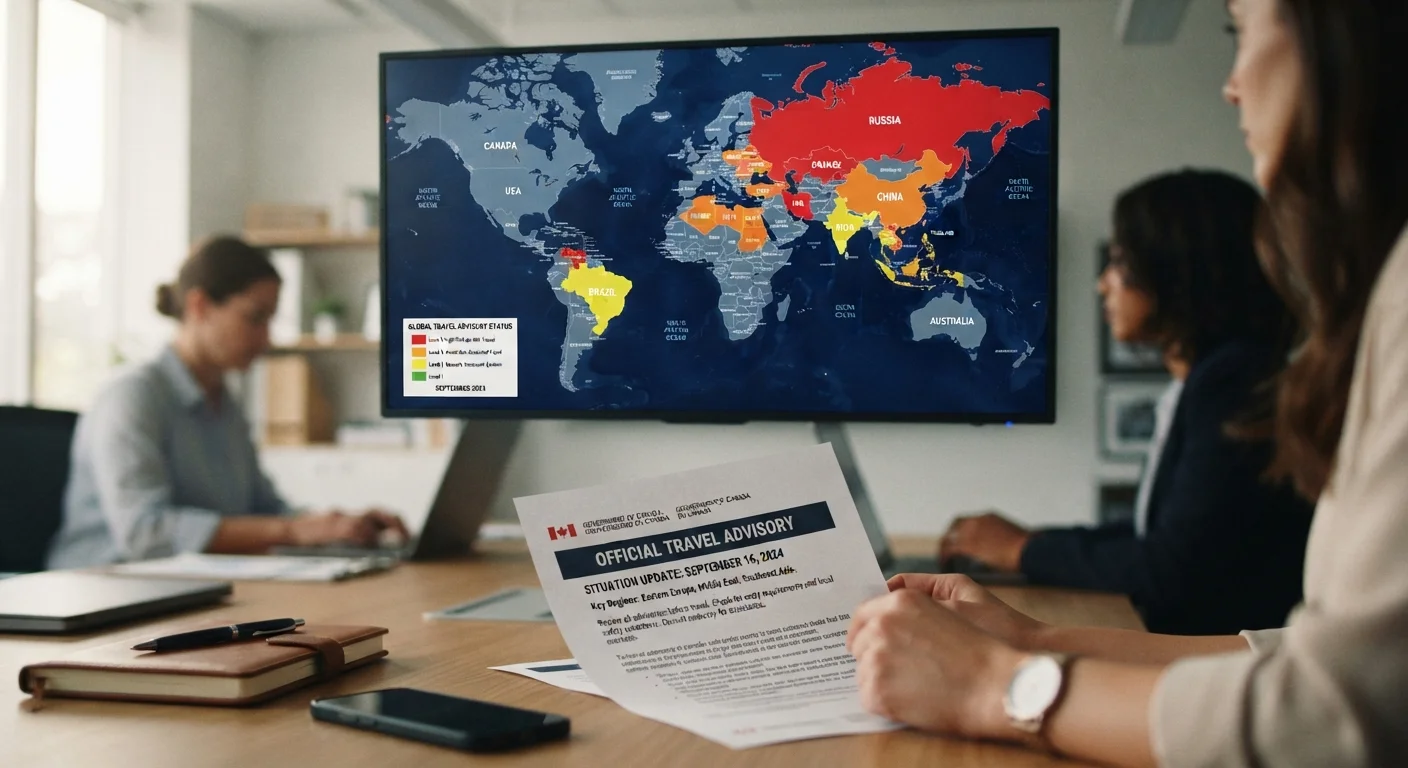
Photo credit: FaqsInsights.com | Stay Informed, Stay Ahead
In this article
Government travel advisories use specific language that's easy to misread. Here's what each level actually signals and how to use them sensibly.
Key Takeaways
- The U.S. State Department uses four advisory levels, each tied to a specific recommended action.
- A Level 2 advisory does not mean a destination is dangerous — millions travel to Level 2 countries without incident.
- Advisories are national in scope but often include region-specific sub-advisories that tell a more nuanced story.
- Travel insurance and airline change policies can be directly affected by the advisory level in place.
- Always verify advisories directly through travel.state.gov before departing, not through third-party summaries.
The Four Levels — Decoded
Travel advisories aren't just bureaucratic noise. They're structured signals, and once you understand the language, they become one of the most useful tools in your pre-trip planning kit.
The U.S. State Department uses four levels, each with an official action phrase:
- Level 1 — Exercise Normal Precautions: The lowest concern. Risk exists — it always does — but no more than you'd encounter in ordinary daily life.
- Level 2 — Exercise Increased Caution: Something specific warrants attention, whether that's petty crime in tourist areas, isolated pockets of unrest, or a health concern. It is not a recommendation to stay home.
- Level 3 — Reconsider Travel: A meaningful risk that the government believes travelers should weigh seriously. Some people will still travel to Level 3 destinations for compelling reasons, but preparation and contingency planning become essential.
- Level 4 — Do Not Travel: The highest tier, reserved for active armed conflict, extreme health emergencies, or situations where the U.S. government may have limited ability to assist citizens. This is a genuine deterrent, not a caution.
The language matters. Note that Levels 1 and 2 don't advise against travel — they advise how to travel. That distinction gets lost when people skim headlines.
Other Governments Issue Their Own Advisories
The U.S. State Department isn't the only source worth consulting. The UK's Foreign, Commonwealth & Development Office (FCDO), Canada's travel.gc.ca, and Australia's Smartraveller all publish independent advisories that can offer a fuller picture. Comparing two or three government sources sometimes reveals nuances that a single advisory misses — especially for rapidly changing situations.
Why One Advisory Can Tell Many Stories
Country-level advisories are painted with a broad brush. A single Level 3 advisory for a large nation might coexist with perfectly safe, tourist-friendly regions — and the fine print almost always says so.
Each advisory page on travel.state.gov includes region-specific sub-advisories. A country might be Level 2 overall, but a particular border region or city could carry a Level 4 designation. Travelers who only check the headline number miss this critical layer of detail.
Consider reading an advisory the same way you'd read a weather report for a road trip: the statewide forecast matters, but what's happening along your specific route matters more. Just as understanding road markings requires reading the specific signs in context rather than assuming general rules apply everywhere, travel advisories reward careful, destination-specific reading over surface-level scanning.
4
Official U.S. State Department advisory levels
Each level carries a specific action phrase, according to the U.S. Department of State's travel advisory framework.
Level 2
Advisory held by many popular tourist destinations
Countries including France, Germany, and Mexico (at the national level) have at times held Level 2 ratings while hosting tens of millions of visitors annually.
How to Use Advisories Practically — Before and During a Trip
Advisories are most useful when treated as a starting point for research, not a final verdict. Here's how thoughtful travelers put them to work:
- Check at booking and again before departure. Conditions change. A Level 1 destination can move quickly after an election, natural disaster, or outbreak. Build a final check into your pre-trip routine.
- Read the full advisory, not just the level. The narrative sections explain why a level was assigned — understanding the cause helps you assess your personal risk tolerance and itinerary.
- Enroll in STEP. The State Department's Smart Traveler Enrollment Program sends alerts directly to your inbox for destinations where you've registered. It also helps the nearest U.S. embassy locate you in an emergency.
- Cross-reference with your insurer. If your destination is at Level 3 or above, contact your travel insurance provider before you go. Coverage limitations in advisory zones are real and commonly misunderstood.
For travelers interested in how cultural context shapes a visit beyond the safety layer, our piece on respecting local context while traveling offers a useful complement to advisory-level planning.
Screenshot the Advisory Before You Fly
Save a PDF or screenshot of your destination's full advisory — including any regional sub-advisories — before you board. If the level changes mid-trip and you need to make an insurance claim or contact an embassy, having the version that was active when you departed can matter. Cloud storage or email it to yourself so it's accessible without data service.
Travel advisories are general government guidance and do not account for every individual's circumstances. Always verify current conditions through official sources such as travel.state.gov and consult qualified professionals for decisions involving personal safety or insurance coverage.
Frequently Asked Questions

Author
Travel & Trips Editorial Team
Travel & Trips Editorial Team is the collective byline for our editorial team and contributor network. Articles published under this byline or an editorial pen name are researched, written, and reviewed according to our editorial standards for clarity, consistency, and independence before publication.
View all articles →