
Why Brake Pads Wear Unevenly - and What to Do About It
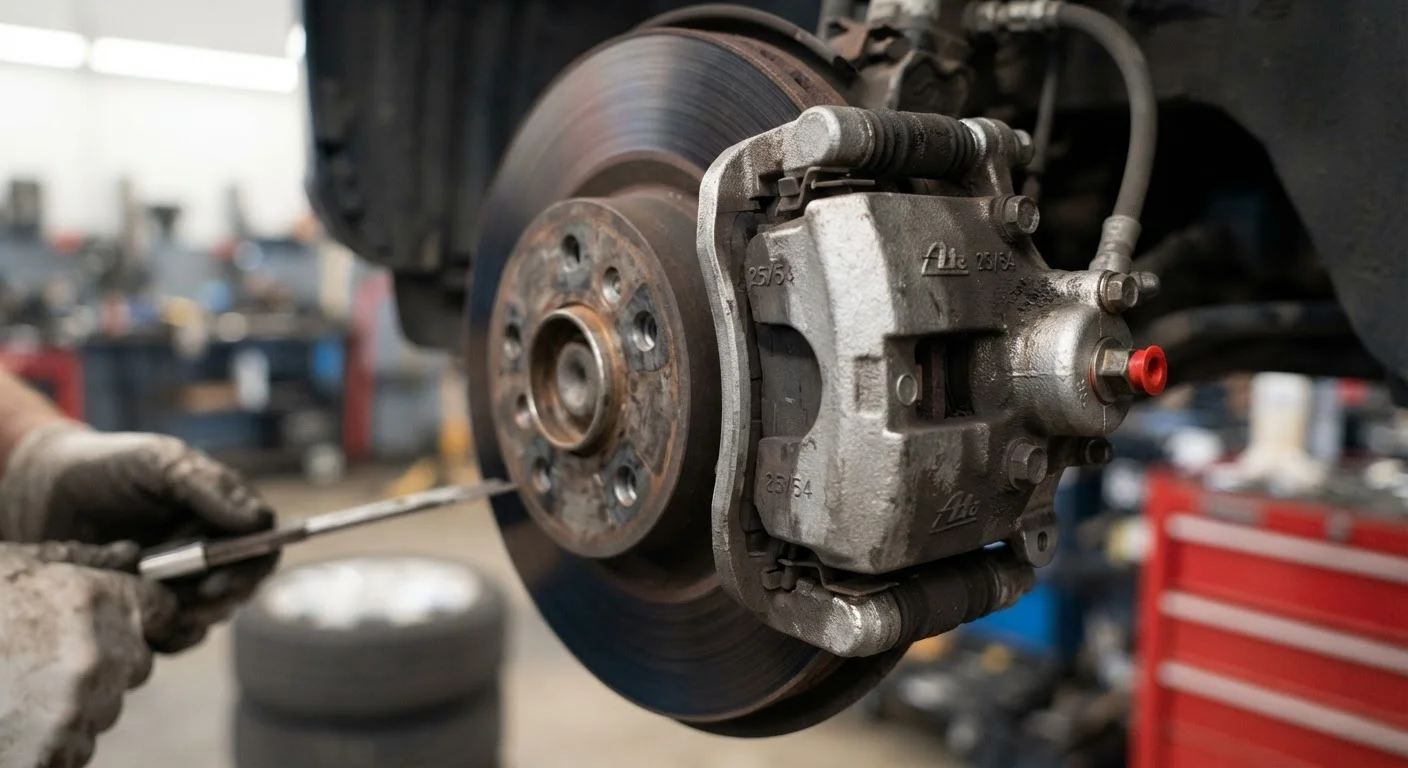
Photo credit: FaqsInsights.com | Stay Informed, Stay Ahead
In this article
Uneven brake wear isn't just a maintenance issue — it can signal a stuck caliper or alignment problem. Here's how to read the signs.
Key Takeaways
- Uneven brake pad wear is frequently caused by stuck calipers, not just driving style.
- Inner pads wearing faster than outer pads is a common early warning sign of caliper problems.
- Ignoring uneven wear can lead to rotor damage, significantly increasing repair costs.
- Wheel alignment issues can also cause brake pads to wear at different rates across axles.
- A qualified mechanic should inspect brakes when wear differences exceed 2-3mm between pads.
What Uneven Brake Wear Actually Tells You
When a mechanic pulls a wheel and finds one brake pad worn to the metal while the opposite pad still has several millimeters of friction material remaining, that's not a coincidence - it's a mechanical signal. Uneven wear between the inner and outer pad on a single wheel almost always points to a caliper problem: either the piston isn't retracting fully, or the slide pins that allow the caliper to float are corroded and stiff.
Uneven wear between wheels on the same axle - for example, the driver's side pads wearing faster than the passenger's side - can indicate a partially seized caliper on one side, but may also reflect issues like a flexible brake hose that has deteriorated internally and is restricting fluid return. Understanding what the wear pattern is telling you allows you to address the actual problem rather than just replacing parts.
Poor wheel alignment can also contribute by changing how braking loads are distributed. If your vehicle pulls to one side during normal driving, it's worth investigating whether alignment is compounding brake wear on that side.
Common Mistakes That Make the Problem Worse
Most brake-related mistakes don't happen in the shop - they happen in the decisions made before the car ever reaches a mechanic. Understanding these errors puts you in a much better position to oversee repairs and catch problems early.
Assuming uneven wear is purely a driving habit problem and ignoring the mechanical root cause.
Why it happens: Many drivers believe that aggressive or one-sided braking explains the wear difference, so they simply replace the pads without further investigation.
Replacing only the worn pad instead of pads in matched axle pairs.
Why it happens: To save money, some drivers replace only the pad that looks depleted, not realizing brakes must work symmetrically to stop a vehicle in a straight line.
Overlooking stiff or corroded caliper slide pins as a source of uneven wear.
Why it happens: Slide pins are small and rarely visible without disassembly, so they're frequently missed during casual visual inspections.
Ignoring brake drag - a symptom that the caliper isn't fully releasing after braking.
Why it happens: Brake drag can be subtle. Drivers may notice the car feeling slightly sluggish or a faint burning smell but attribute it to other causes.
Skipping brake inspection when getting a wheel alignment service.
Why it happens: Alignment and brakes seem like separate systems, so drivers don't typically connect misalignment with pad wear patterns.
Developing better braking habits - such as reducing hard, last-second stops - can slow overall pad wear, but habits alone won't compensate for a seized caliper or a worn hardware kit.
When to Act - and What to Tell Your Mechanic
Don't Replace Pads Without Inspecting the Caliper
Installing new brake pads on a seized or sticky caliper will cause the new pads to wear unevenly just as quickly. Always have the caliper's function evaluated before completing a pad replacement. Skipping this step is one of the most common - and costly - mistakes drivers make when addressing brake wear.
If you notice any of the following, schedule a brake inspection rather than waiting for your next oil change: a grinding or squealing noise from one wheel, a pulling sensation when braking, a pulsing brake pedal, or a burning smell after normal driving. These symptoms suggest the wear has already progressed to a point where rotors or other components may be involved.
When speaking with a mechanic, be specific: describe which wheel seems affected, when the noise started, and whether the car pulls in a particular direction. This context helps narrow the diagnosis quickly. Ask for a full brake inspection - pads, rotors, calipers, and hardware - rather than just a pad swap. Skipping routine maintenance has a compounding effect on repair costs, and brakes are one of the clearest examples of that pattern, as detailed in our look at the hidden costs of deferred maintenance.
Braking Performance Is a Safety Issue
Severely uneven brake wear can reduce stopping power and increase braking distances in emergency situations. Do not continue driving on a vehicle with suspected caliper failure or significantly worn pads without having it inspected by a qualified mechanic. This article provides general educational information - it is not a substitute for professional diagnosis.
This article is for general informational purposes only. Always consult a qualified automotive technician for diagnosis and repair of brake system issues.

Author
Cars & Driving Editorial Team
Cars & Driving Editorial Team is the collective byline for our editorial team and contributor network. Articles published under this byline or an editorial pen name are researched, written, and reviewed according to our editorial standards for clarity, consistency, and independence before publication.
View all articles →