
Highway Merging Done Right: The Physics and Etiquette Behind a Smooth Entry
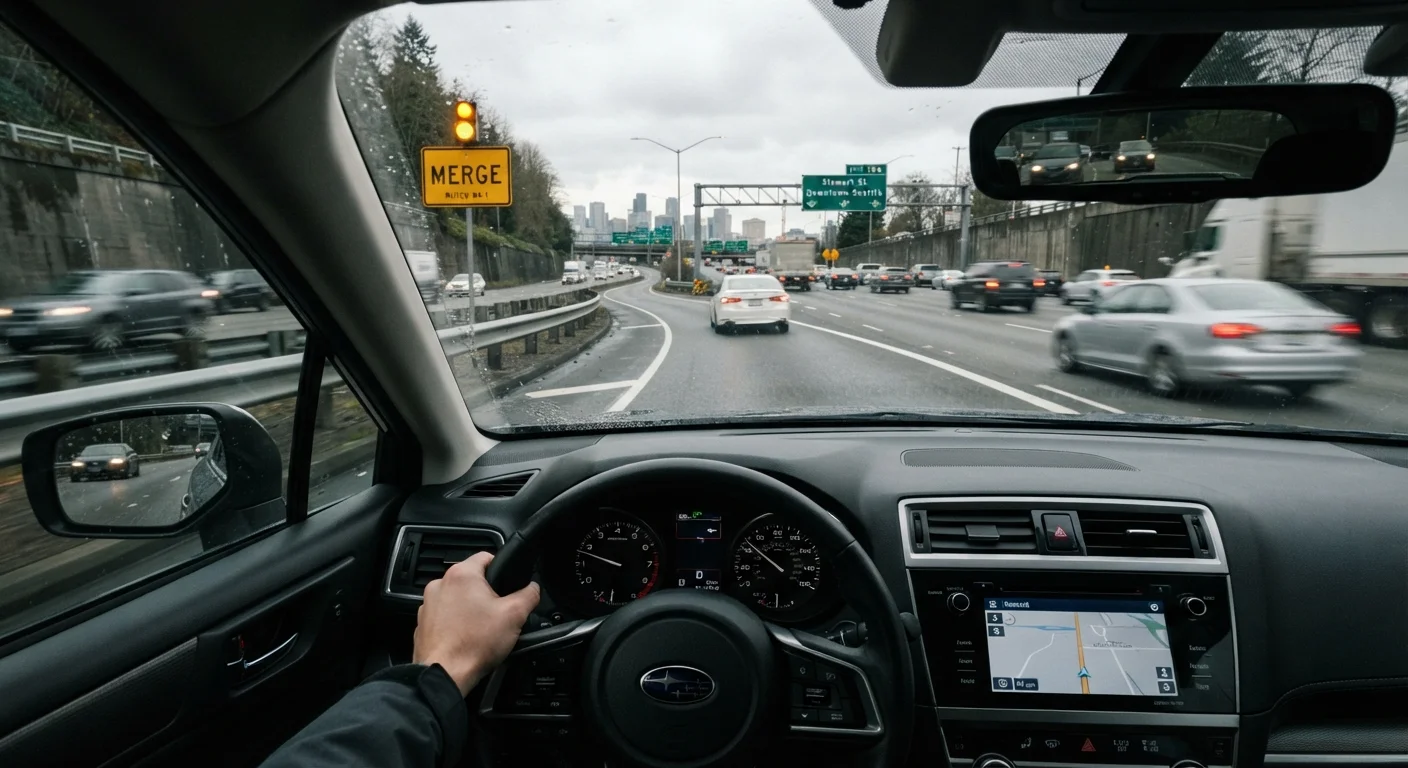
Photo credit: FaqsInsights.com | Stay Informed, Stay Ahead
In this article
Merging onto a highway is one of the most misunderstood driving maneuvers. Here's what the science of traffic flow and safe entry technique actually say.
Key Takeaways
- Match highway traffic speed before entering the travel lane - not after.
- Use the full length of the on-ramp acceleration lane; stopping there is dangerous.
- Check mirrors, then blind spots, then signal before committing to the merge.
- Highway drivers should create space for merging vehicles when safely possible.
- Merging anxiety often comes from misunderstanding who has right-of-way on ramps.
Why Merging Breaks Down: The Traffic Flow Perspective
Highway merges are among the most friction-prone moments in everyday driving - not because drivers are careless, but because the physics of traffic flow are genuinely counterintuitive. When a merging vehicle enters a travel lane at a speed substantially below that of surrounding traffic, every driver behind must brake. That braking propagates backward as a shockwave, slowing vehicles far removed from the original merge point. Traffic researchers refer to this phenomenon as a phantom traffic jam - a slowdown with no visible cause to those stuck in it.
Speed differentials, not volume alone, are what collapse highway throughput. The closer a merging driver's speed is to the flow of traffic, the less disruption the merge creates for everyone. This is why proper use of the acceleration lane isn't just a courtesy - it's functionally protective for all drivers on the road.
Understanding this context also reframes the etiquette question. Highway drivers who refuse to yield, speed up to close gaps, or crowd the right lane near on-ramps are not just being aggressive - they're actively degrading traffic flow. Both merging and highway drivers share responsibility for a smooth system. See how tailgating compounds these merge disruptions into far larger congestion events.
Use the Zipper Merge When Traffic Is Heavy
In slow or stop-and-go highway conditions, the zipper merge - where drivers alternate one-by-one from the ramp into the travel lane - has been shown to reduce merge-related congestion more effectively than early lane changes. If traffic is crawling, stay in your lane until the merge point rather than darting ahead or braking early.
What You Need Before You Reach the Ramp
Effective merging starts before you're anywhere near the highway. Mirrors that aren't properly adjusted make blind-spot checks unreliable, and a driver who doesn't know their car's acceleration characteristics may misjudge how much ramp distance they actually have.
What you will need
Properly adjusted side mirrors
Eliminate as much blind-spot area as possible before you reach the on-ramp.
Functioning turn signal
Communicates your merge intention to highway drivers so they can prepare to accommodate you.
Rear-view and blind-spot awareness
Required to track vehicles in the lane you're entering and those approaching from behind.
Familiarity with your route also matters. Knowing whether an on-ramp is short or has a long acceleration lane, whether it curves sharply, or whether it feeds into a section with heavy truck traffic lets you prepare mentally and positionally well in advance. The habits that experienced drivers rely on consistently include this kind of proactive environmental awareness.
Step-by-Step: Executing the Merge
The steps below break down a highway merge into discrete, manageable actions. Each one builds on the last - skipping steps or rushing them is where most merge errors originate.
Read the ramp and assess approaching traffic early
As you enter the on-ramp, begin scanning the highway immediately - not at the last moment. Look for the speed of traffic in the rightmost travel lane, gaps between vehicles, and any large trucks or vehicles that may be difficult to merge alongside. The more information you gather early, the less reactive your merge will need to be.
Accelerate progressively to match highway speed
Use the full length of the acceleration lane to build speed. Your goal is to reach - or come very close to - the speed of traffic in the lane you're entering before you attempt the merge. Entering at significantly lower speed forces highway drivers to brake suddenly, compressing the space behind them and creating a chain-reaction risk. As research on traffic flow consistently shows, speed differentials are a primary driver of merge-related collisions.
Check mirrors, then physically check your blind spot
Before signaling or moving laterally, execute a full mirror check - rear-view first, then side mirror on the merge side. Then do a brief physical shoulder check to cover the blind spot. Mirrors alone leave a zone your eyes can't reach, and a vehicle sitting in that zone at highway speed can appear seemingly out of nowhere. This check should happen while you're still in the acceleration lane, not mid-merge.
Signal your intention, then commit to a clear gap
Activate your turn signal to communicate your move to adjacent traffic. Once you've confirmed a clear gap - ahead and behind in the target lane - steer smoothly and decisively into the lane. Hesitation mid-merge is more dangerous than a confident entry, because it leaves you straddling lanes and makes your intentions unpredictable to surrounding drivers. Aim to complete the lane change in one fluid motion.
Maintain speed and move away from the right lane if possible
Once you've merged, maintain your speed and, when traffic allows, consider moving one lane to the left to give yourself and future merging drivers more room. Sitting in the rightmost lane directly adjacent to active on-ramps increases your exposure to additional merge interactions. Staying aware of subsequent on-ramps on your route helps you plan accordingly.
Never Stop at the End of an On-Ramp
Stopping at the end of an acceleration lane is one of the most dangerous moves a driver can make on a highway. It eliminates your ability to match traffic speed, makes you nearly invisible to vehicles behind you on the ramp, and forces a dangerous slow-speed entry into fast-moving traffic. If a gap isn't available, slow down earlier in the ramp - not at the end.
Merging Is Not the Same as Having Right-of-Way
In most U.S. states, the merging driver - not highway traffic - bears the primary legal responsibility for a safe entry. This doesn't mean highway drivers should refuse to yield, but it does mean you cannot assume gaps will appear. Always verify a clear, sufficient gap before committing to the merge.
Drivers who struggle with merging anxiety often find that the discomfort eases once they understand the mechanics and practice deliberate scanning. For a broader look at driving assumptions that increase risk without drivers realizing it, see what traffic research says about common safe-feeling habits.

Author
Cars & Driving Editorial Team
Cars & Driving Editorial Team is the collective byline for our editorial team and contributor network. Articles published under this byline or an editorial pen name are researched, written, and reviewed according to our editorial standards for clarity, consistency, and independence before publication.
View all articles →