
The Habits Experienced Drivers Quietly Rely On to Stay Crash-Free
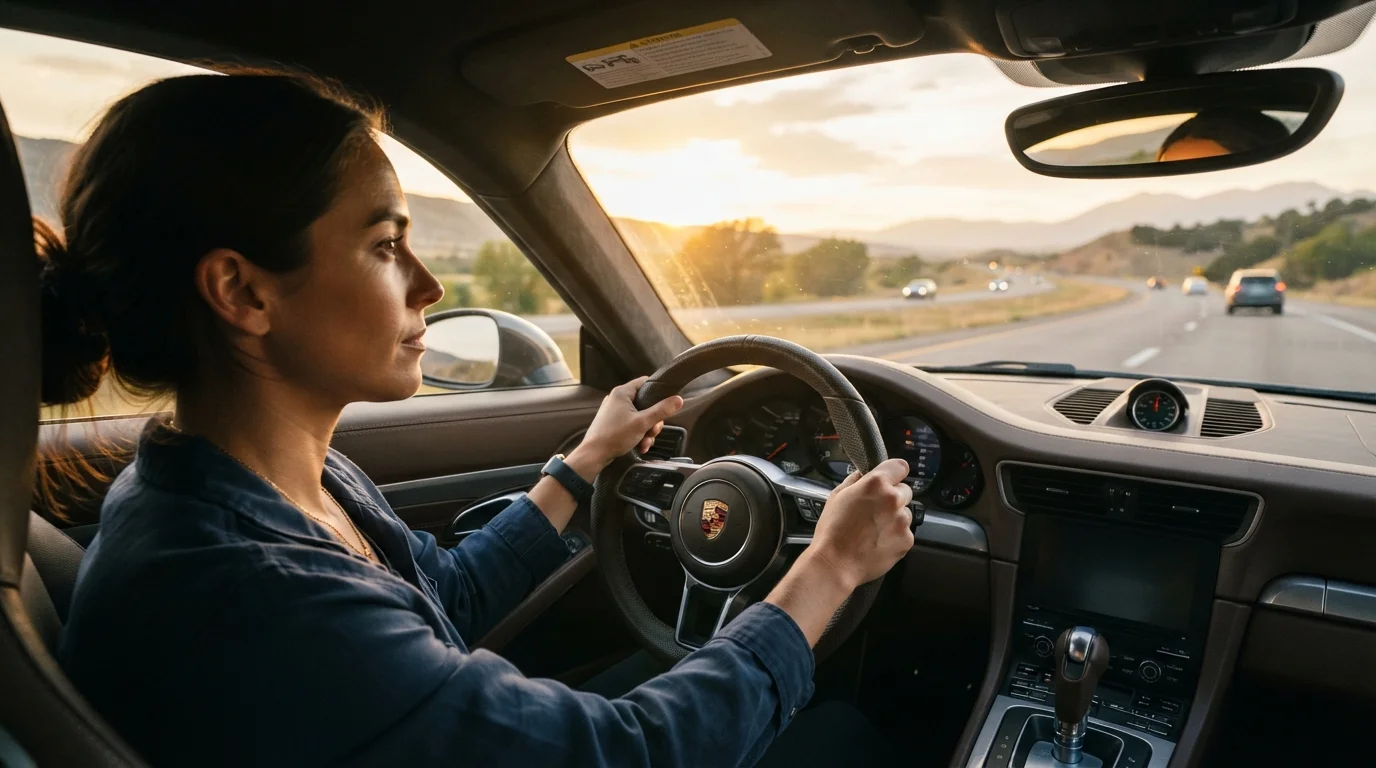
Photo credit: FaqsInsights.com | Stay Informed, Stay Ahead
In this article
From mirror discipline to intersection awareness, seasoned drivers use specific, repeatable habits. Here's what those look like in everyday practice.
Key Takeaways
- Experienced drivers use systematic mirror checks every five to eight seconds to maintain full situational awareness.
- Intersection discipline - covering the brake and checking cross-traffic - dramatically reduces the risk of angle collisions.
- Maintaining a generous following distance gives you reaction time that mirrors cannot replace.
- Adjusting speed proactively for conditions, not just posted limits, is a hallmark of genuinely skilled drivers.
- Managing in-vehicle distractions before moving is a foundational habit that many overlook.
What Separates Experienced Drivers From Merely Frequent Ones
Years behind the wheel don't automatically make someone a safer driver - habits do. Many people with decades of driving experience still rely on the same autopilot behaviors they learned at 16. Experienced drivers who remain crash-free aren't necessarily faster or more skilled in an athletic sense; they've simply built deliberate, repeatable routines that reduce exposure to the most common crash scenarios.
The habits covered here aren't advanced techniques reserved for professional drivers. They're practical, low-effort adjustments that compound over time into a significantly safer driving profile. If you're newer to the road, our guide to defensive driving fundamentals lays the groundwork these habits build on.
The Role of Scanning and Situational Awareness
One of the clearest dividing lines between cautious and careless drivers is where they look and how often they update that picture. Experienced drivers don't fix their gaze on the car directly ahead - they scan a broad field, checking mirrors systematically and reading the road 12 to 15 seconds forward.
This matters because most collisions are preceded by a window of opportunity - a moment when a different choice could have broken the chain. Structured scanning techniques give you more of those windows. Pair that with awareness of what's in your mirrors, and you stop being surprised by the situations other drivers only see at the last second.
Intersection Habits That Prevent the Most Common Crashes
Angle collisions - the kind that happen when one vehicle crosses the path of another - are among the most deadly crash types. The majority occur at intersections. Experienced drivers treat every intersection as a place of elevated risk regardless of who has the right of way.
Covering the brake (moving the foot from accelerator to brake without yet pressing it) while approaching a light or cross-street gives a measurable head start in an emergency. Checking cross-traffic before proceeding - even on a green - addresses the reality that other drivers run red lights. It may feel redundant, but it's a form of insurance that costs nothing. For a deeper look at how intersection design affects these decisions, see our roundabout vs. traditional intersection breakdown.
~40%
Of fatal crashes occurring at intersections
According to the Federal Highway Administration, intersections are the site of roughly 40 percent of all traffic crashes in the United States.
3-5 sec
Recommended following distance in variable conditions
Traffic safety guidelines broadly recommend a minimum three-second gap in clear conditions, extended to five or more seconds in wet, foggy, or heavy-traffic situations.
Condition-Based Driving: Speed Is Only Part of the Equation
Speed limits define a legal ceiling for ideal conditions - they don't account for rain, fog, heavy traffic, or fatigue. Experienced drivers internalize this distinction and adjust their speed and following distance based on actual conditions rather than posted numbers alone.
Following distance is particularly underappreciated. At highway speeds, a two-second gap can vanish in a fraction of a second if the car ahead brakes hard. Most safety professionals recommend a minimum three-second gap in normal conditions, expanding to five or more in wet or reduced-visibility situations. Curious about how tailgating creates chain-reaction crashes? The physics are worth understanding.
Similarly, each weather type introduces distinct hazards. Our guide to driving in rain, ice, snow, and fog explains how to adjust for each condition specifically.
Posted Speed Limits Assume Ideal Conditions
Speed limits are established for dry roads, clear visibility, and normal traffic flow. When any of those factors change, those limits no longer represent the safe upper bound. Driving at the speed limit in fog, ice, or dense traffic can be just as hazardous as speeding on a clear day. Adjust based on what the road is actually giving you, not just what the sign says.

Author
Cars & Driving Editorial Team
Cars & Driving Editorial Team is the collective byline for our editorial team and contributor network. Articles published under this byline or an editorial pen name are researched, written, and reviewed according to our editorial standards for clarity, consistency, and independence before publication.
View all articles →