
Plant-Based Eating: A Ground-Up Introduction for Curious Omnivores
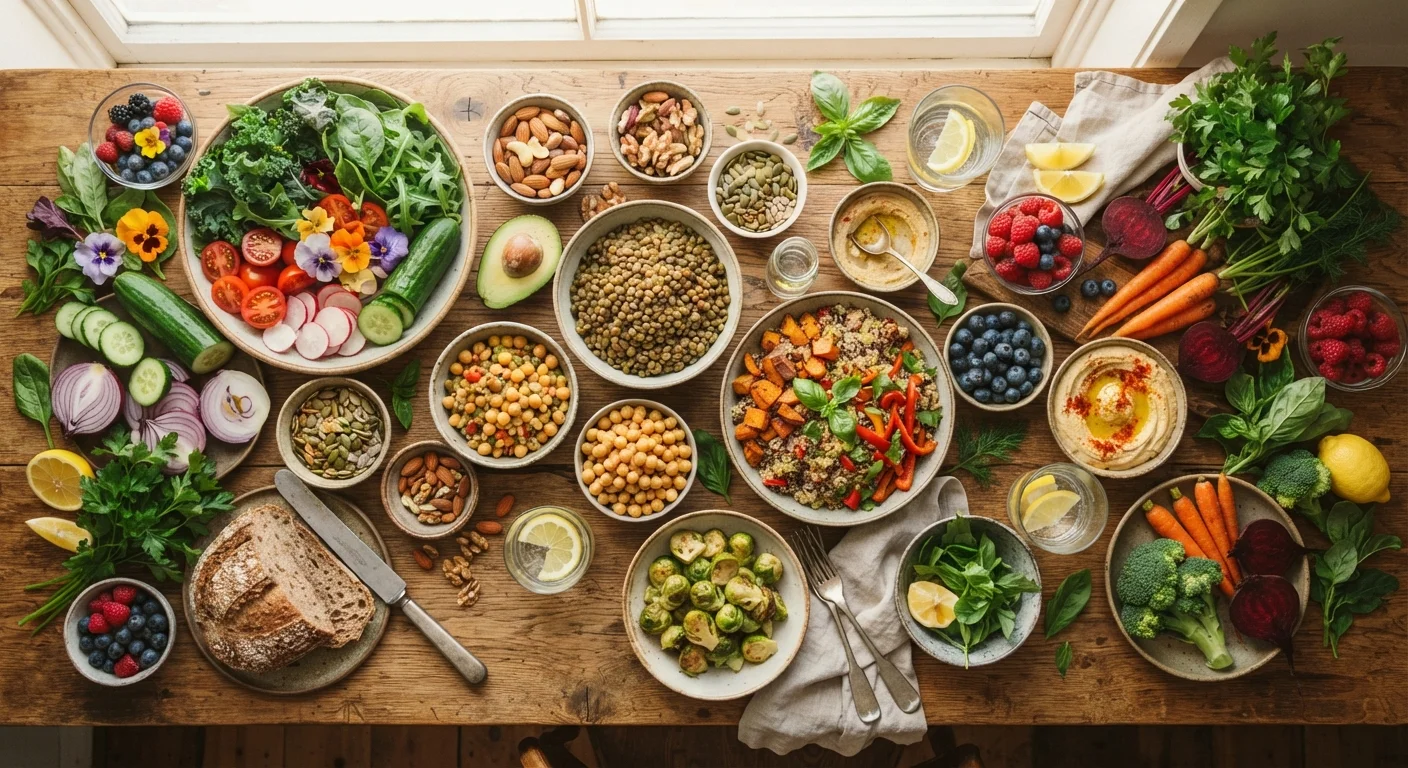
Photo credit: FaqsInsights.com | Stay Informed, Stay Ahead
In this article
Whether you're cutting back on meat or going fully plant-based, this guide covers nutrition basics, protein sources, and practical starting points.
Key Takeaways
- Plant-based eating exists on a spectrum - you don't have to go fully vegan to see benefits.
- Nutrients like vitamin B12, iron, and omega-3s deserve extra attention on plant-forward diets.
- Legumes, tofu, tempeh, and whole grains are reliable protein sources without meat.
- Gradual, sustainable changes tend to stick better than overnight dietary overhauls.
- Ultra-processed plant-based products aren't automatically nutritious - whole foods matter.
What 'Plant-Based' Actually Means
"Plant-based" has become one of the most overused terms in food marketing, which makes it easy to misread. At its core, a plant-based diet emphasizes foods derived from plants - vegetables, fruits, legumes, whole grains, nuts, and seeds - as the foundation of eating. What it doesn't automatically mean is strictly vegan or vegetarian.
Some people use the term to describe a fully animal-free diet. Others apply it to a flexitarian approach - mostly plants, with occasional fish, dairy, or meat. What matters most is the direction of travel: more whole plant foods, less reliance on animal products as the centerpiece of every meal.
For a broader look at where plant-based patterns fit among other dietary frameworks, Popular Diet Patterns and the Evidence Behind Each One provides a balanced, research-grounded comparison.
Plant-based diet
An eating pattern centered on foods derived from plants - vegetables, fruits, legumes, grains, nuts, and seeds - with animal products ranging from minimal to absent depending on the individual.
Flexitarian
A flexible approach to eating that is primarily plant-focused but occasionally includes meat, fish, or other animal products. There is no strict definition or required frequency.
Complete protein
A food that contains all nine essential amino acids the body cannot produce on its own. Most animal proteins are complete; soy, quinoa, and a few other plant foods are notable exceptions.
Bioavailability
How well a nutrient can be absorbed and used by the body. The same nutrient (like iron or zinc) can have different bioavailability depending on whether it comes from a plant or animal source.
Non-heme iron
The form of iron found in plant foods and fortified products. It is absorbed less efficiently than heme iron from animal sources, but pairing it with vitamin C can improve uptake.
Fortified food
A food that has had nutrients added to it that aren't naturally present or are present in low amounts - for example, plant milks fortified with calcium or B12.
Key Nutrients to Pay Attention To
A well-planned plant-based diet can cover most nutritional needs - but a few nutrients require deliberate attention, particularly when animal products are significantly reduced or eliminated.
- Vitamin B12: Found almost exclusively in animal products. Those eating little or no animal food should discuss supplementation with a healthcare provider.
- Iron: Plants contain non-heme iron, which the body absorbs less readily than the heme iron in meat. Pairing iron-rich foods (lentils, spinach, fortified grains) with vitamin C helps improve absorption.
- Omega-3 fatty acids: Fatty fish is the richest dietary source. Plant sources like flaxseed and walnuts provide ALA, a precursor form, but conversion to the active forms EPA and DHA is limited. Algae-based omega-3 supplements are an option worth discussing with a clinician.
- Calcium and Vitamin D: Dairy is a common source of both; those avoiding it should look to fortified plant milks, leafy greens, and tofu made with calcium sulfate, alongside sun exposure and possible supplementation.
- Zinc: Found in legumes, seeds, and whole grains, though plant-based zinc is somewhat less bioavailable than that from animal sources.
Understanding how to read a nutrition label can help you identify fortified foods and track key nutrients more confidently.
Nutrient Needs Are Individual
The nutrients flagged here are general considerations for people shifting toward plant-based eating - not a universal checklist requiring action from everyone. Your specific needs depend on your age, health status, current diet, and other factors. A registered dietitian or physician can help you identify which, if any, deserve closer attention in your case.
Protein Without Meat: What the Options Are
Protein is the nutrient people most often worry about when reducing meat. The concern is understandable but frequently overstated. Diverse plant proteins, eaten across the day, can cover adult protein needs for most people - though individual requirements vary based on age, activity, and health status.
| Food | Approx. Protein per Serving | Notes |
|---|---|---|
| Cooked lentils (½ cup) | ~9g | Also high in fiber and iron |
| Firm tofu (3 oz) | ~8g | Complete protein; versatile in cooking |
| Tempeh (3 oz) | ~16g | Fermented; may support gut health |
| Edamame (½ cup) | ~8g | Complete protein; easy snack or side |
| Black beans (½ cup) | ~7g | Pairs well with whole grains |
| Quinoa (½ cup cooked) | ~4g | One of few complete plant-protein grains |
Combining a variety of these foods - rather than relying on one source - supports a fuller amino acid profile. The old idea that you must pair proteins at every single meal has been largely reconsidered by nutrition researchers; variety over the course of a day is what matters.
Variety Matters More Than Perfect Pairing
You don't need to calculate amino acid combinations at every meal. Eating a wide variety of legumes, grains, vegetables, and nuts across the day gives your body access to the full range of essential amino acids it needs. Focus on diversity rather than precision - it's more sustainable and just as effective.
Practical Ways to Start Shifting Your Plate
Overhauling your entire diet overnight rarely leads to lasting change. A gradual, structured shift is both more manageable and more likely to stick. Consider these entry points:
- Start with one plant-forward meal per day. Swapping breakfast or lunch - rather than dinner, where habits run deepest - is often easier for beginners.
- Build around legumes. Beans, lentils, and chickpeas are inexpensive, shelf-stable, and nutritionally dense. A pot of lentil soup or a bean-based chili requires minimal skill and scales well.
- Rethink the plate ratio. The principles of a balanced plate translate well here: fill half with vegetables, a quarter with whole grains, and a quarter with a protein source.
- Explore whole grains beyond rice. Farro, barley, and bulgur offer more fiber and protein variety, and most cook in under 30 minutes.
- Grow some of what you eat. Even a small container garden of herbs or tomatoes can deepen your connection to plant foods. Starting a vegetable garden for the first time is a practical guide for complete beginners.
Common Pitfalls and How to Sidestep Them
Plant-based eating is not automatically nutritious. Several patterns can undermine a well-intentioned dietary shift.
Over-relying on processed substitutes. Many packaged plant-based burgers, sausages, and nuggets are high in sodium, saturated fat, and additives. They can serve as occasional convenience foods, but centering your diet on them moves you away from the whole-food foundation that research consistently links to positive health outcomes.
Underestimating caloric density changes. Whole plant foods tend to be less calorically dense than animal products. Some people - particularly those with higher energy needs - find they need to eat larger volumes or include more calorie-dense foods like nuts, seeds, and legumes to feel adequately fueled.
Neglecting routine health monitoring. If you substantially change your diet, periodic bloodwork can help identify any gaps in B12, iron, vitamin D, or other nutrients before they become clinical problems. This is general guidance; your healthcare provider is best placed to advise on what makes sense for you specifically.
Treating it as an all-or-nothing endeavor. Flexibility tends to support sustainability. A meal with eggs, a serving of fish, or a slice of cheese doesn't undo a predominantly plant-based pattern. Rigidity is rarely necessary and can increase the likelihood of abandoning the approach entirely.
This article is for general informational purposes only and does not constitute medical or nutritional advice. Individual nutritional needs vary. Consult a qualified healthcare provider or registered dietitian before making significant changes to your diet, especially if you have existing health conditions.
Frequently Asked Questions

Author
Health & Wellness Editorial Team
Health & Wellness Editorial Team is the collective byline for our editorial team and contributor network. Articles published under this byline or an editorial pen name are researched, written, and reviewed according to our editorial standards for clarity, consistency, and independence before publication.
View all articles →