
Labeling Systems for Every Type of Household
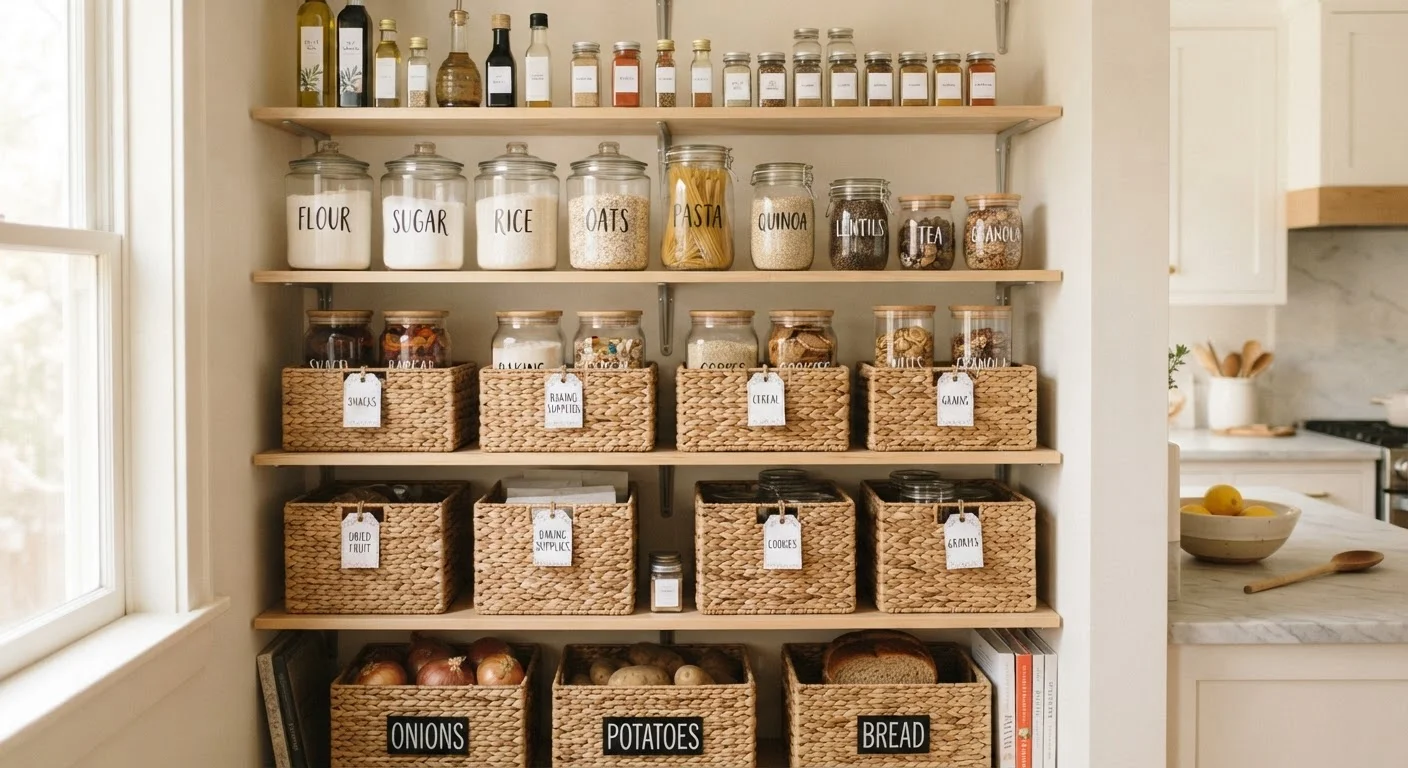
Photo credit: FaqsInsights.com | Stay Informed, Stay Ahead
In this article
From handwritten tags to printed color codes, different labeling approaches suit different households. Find what fits yours.
Key Takeaways
- No single labeling system works for every household - the right approach depends on who uses the space and how often.
- Handwritten labels are flexible and low-cost; printed labels offer consistency and durability for permanent storage.
- Color-coded systems work especially well in households with children or multiple users sharing common spaces.
- Labeling is most effective when paired with a broader organizational habit, like a one-in, one-out rule.
- Choosing a system you'll actually maintain is more important than choosing a technically perfect one.
Why Labeling Systems Matter More Than You Think
A label is a small thing, but its impact on daily life is surprisingly large. When every drawer, bin, and shelf tells you exactly what's inside, you stop wasting time searching - and so does everyone else who shares your space. That shared clarity is what separates a temporarily tidy home from one that stays functional over time.
The challenge is that no single labeling approach suits every household. A system that works beautifully for a single professional in a studio apartment may completely fall apart in a busy home with four kids and a rotating cast of seasonal gear. Understanding the options - and what each is genuinely good at - helps you choose something durable rather than aspirational.
For labeling to stick, it also needs to connect to broader habits. Simple rules like one-in, one-out help ensure that what's in those labeled containers actually matches the label over time.
Start With Your Most-Used Storage Zone
Rather than labeling your entire home at once, pick the one area that causes the most daily friction - a cluttered pantry, a chaotic entryway, or a shared utility closet. Solving that space first lets you test a labeling approach before committing to it everywhere. What works in practice is always more informative than what looks appealing in theory.
Comparing the Main Labeling Approaches
There are four broad labeling methods used in home organization, each with genuine strengths and real limitations. Here's how they stack up across the criteria that matter most to everyday households.
| Handwritten Labels | Label Maker / Printed | Color-Coded | Erasable / Chalkboard | |
|---|---|---|---|---|
| Upfront cost | Very low | Low to moderate | Low to moderate | Low |
| Durability | Low | High | Medium | Medium |
| Flexibility / ease of changing | High | Low | Medium | High |
| Best for multiple users | Fair | Good | Excellent | Good |
| Visual consistency | Low | High | High | Medium |
| Works for children | Fair | Fair | Excellent | Good |
| Skill or tools required | None | Label maker device | Color system planning | None |
Handwritten labels - on masking tape, paper tags, or chalkboard surfaces - are the most accessible starting point. They require no equipment, cost almost nothing, and can be changed in seconds. The tradeoff is legibility and longevity; they fade, peel, and can look inconsistent across a large space.
Label maker or printed labels offer a step up in visual consistency and durability. Laminated or thermal-printed labels hold up well in kitchens, pantries, and garages where moisture or handling is a factor. They're particularly useful for areas that won't change often, like garage tool zones or seasonal storage bins.
Color-coded systems use hue as the primary organizational signal - a different color per family member, category, or room. These work exceptionally well in multi-person households because they communicate at a glance without requiring reading. They do require buy-in and a shared color key to remain useful.
Erasable or chalkboard labels occupy a middle ground: more durable than tape, more flexible than thermal labels. They're popular for pantry jars and rotating stock where contents change regularly, such as in seasonal storage rotation setups.
Avoid Over-Labeling Rarely Used Spaces
Labeling every container and shelf in seldom-accessed areas - like deep archive storage or holiday decoration boxes - can create maintenance burden without meaningful daily benefit. Focus your labeling effort where it reduces friction most often. Sparse, accurate labels outperform an exhaustive system that slowly becomes outdated.
Matching a System to Your Household
The most important question isn't which system looks best on a shelf - it's which one the people in your home will actually maintain. A beautifully printed label system that only one person updates quickly becomes inaccurate and frustrating for everyone else.
For households with children, color-coding paired with simple picture icons dramatically reduces the friction of putting things away independently. For households where adults share storage but have different organizational instincts, building shared labeling habits is as important as the label type itself.
If your household reorganizes frequently - due to moves, life changes, or seasonal shifts - prioritize flexibility over polish. Erasable labels or repositionable printed options will serve you better than permanent adhesive tags. Conversely, for truly fixed storage like archive boxes, file drawers, or utility shelving, investing in durable printed labels pays off over years of use.
Start with one area, test what feels sustainable, and expand from there. A labeling system that covers 80% of your storage and gets maintained is far more valuable than a comprehensive system that quietly stops being updated after a few weeks.

Author
Home & Garden Editorial Team
Home & Garden Editorial Team is the collective byline for our editorial team and contributor network. Articles published under this byline or an editorial pen name are researched, written, and reviewed according to our editorial standards for clarity, consistency, and independence before publication.
View all articles →