
Teen Drivers and Graduated Licensing: What the Restrictions Are Actually Protecting Against
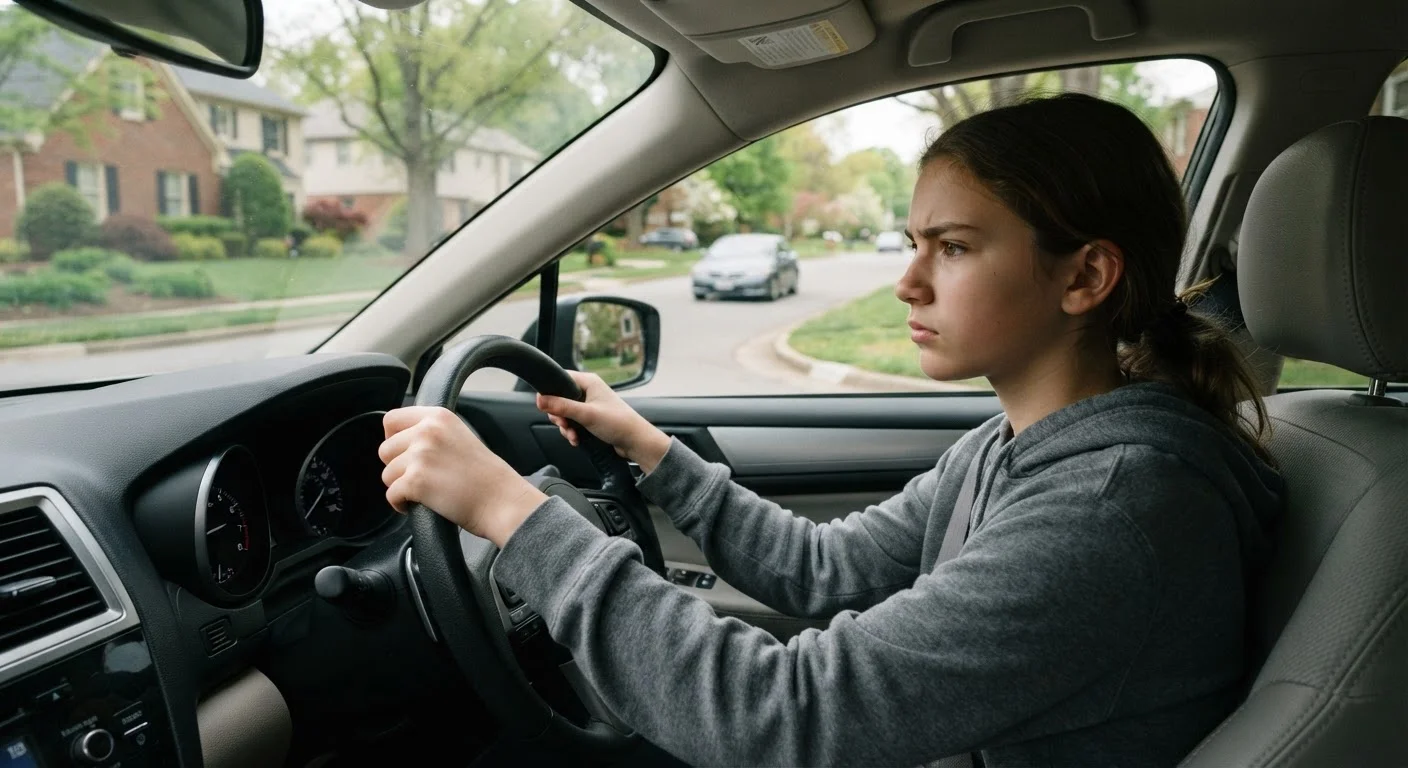
Photo credit: FaqsInsights.com | Stay Informed, Stay Ahead
In this article
Graduated licensing laws aren't arbitrary. This explainer breaks down the specific risk factors they target and what young drivers should understand.
Key Takeaways
- Graduated licensing restrictions directly target the specific conditions most likely to cause teen crashes.
- Passenger restrictions reduce social distraction, one of the leading causes of young-driver collisions.
- Nighttime driving bans address the combination of low visibility and adolescent fatigue patterns.
- Cell phone bans for new drivers reflect research showing even hands-free calls impair attention.
- Completing GDL stages successfully is associated with lower crash rates in early independent driving.
The Problem GDL Was Designed to Solve
Motor vehicle crashes are consistently among the leading causes of death for teenagers in the United States. The risk isn't random - it spikes sharply in the first months of independent driving, before experience has had time to build the automatic, reliable skills that protect more seasoned drivers.
Graduated Driver Licensing emerged from decades of crash data showing that young drivers aren't simply reckless - they're underprepared. The adolescent brain is still developing the executive functions responsible for risk assessment, impulse control, and divided attention. GDL programs are structured responses to that neurodevelopmental reality, not arbitrary hoops designed to frustrate new drivers.
For a deeper look at habits that keep experienced drivers crash-free, see what seasoned drivers quietly rely on.
~3x
Higher fatal crash risk in first year of solo driving
Research from the Insurance Institute for Highway Safety indicates crash rates are significantly elevated during the first months of unsupervised driving compared to more experienced drivers.
40-60%
Reduction in teen crash involvement attributed to GDL programs
Multiple peer-reviewed studies have found that comprehensive GDL systems are associated with meaningful reductions in crashes among 16- and 17-year-old drivers.
3x
Increased fatal crash likelihood with teen passengers present
According to highway safety research, a teen driver's fatal crash risk rises substantially with each additional teenage passenger in the vehicle.
What Each Restriction Is Actually Targeting
Passenger Limits
Carrying teen passengers dramatically increases a young driver's crash risk. Studies have shown the likelihood of a fatal crash rises with each additional peer passenger in the vehicle. The mechanism isn't just noise - it's social pressure, distraction management, and the cognitive load of conversing while navigating unfamiliar traffic situations. Passenger restrictions allow new drivers to build road skills without that added layer of complexity.
Nighttime Driving Curfews
Darkness reduces the visual information available to any driver, but it's especially challenging for beginners who haven't yet developed efficient road-scanning habits. Late-night driving also overlaps with adolescent fatigue windows. Combining low visibility with cognitive fatigue and limited experience creates a risk profile that nighttime curfews are explicitly designed to limit.
Cell Phone Bans
Even hands-free phone calls divide attention in ways that impair reaction time and hazard detection. For new drivers still building foundational skills, that cognitive split is especially costly. Many states extend their distracted-driving restrictions beyond what applies to adult drivers specifically because new drivers have less automatic skill to fall back on. Distraction and fatigue share more in common than many drivers realize.
Speed and Highway Restrictions
High-speed environments compress decision-making time and punish scanning errors severely. Some GDL programs restrict highway driving during early stages to allow skills to consolidate on lower-speed roads first, where the margin for error is greater.
Use the Restrictions as a Training Roadmap
Each GDL restriction identifies a specific skill gap or risk factor. Instead of treating curfews and passenger limits as inconveniences, new drivers can use them as a guide: practice night driving with a licensed adult before the curfew lifts; work on conversation management and focus before passenger limits expire. The restrictions map directly onto the competencies worth developing.
Why the Phased Structure Matters
The staged design of GDL isn't just about limiting exposure to risk - it's about deliberately building driving competence through progressively more demanding conditions. A supervised learner's permit allows practice under adult oversight. An intermediate license introduces independence under controlled conditions. Full licensure follows once foundational skills are demonstrated.
This mirrors how complex skills are developed in other domains: exposure, practice, feedback, then autonomy. Drivers who progress through GDL without violations or crashes tend to enter fully independent driving with stronger, more durable habits.
GDL Rules Vary Significantly by State
While every U.S. state has some form of graduated licensing, the specific restrictions - curfew hours, passenger limits, practice hour requirements, and minimum ages - differ considerably. Always confirm the exact rules in your state through your state's Department of Motor Vehicles before assuming any general description applies to your situation.
It's also worth noting that GDL restrictions apply regardless of a teen's perceived maturity or driving talent. The restrictions aren't a personal judgment - they're a population-level safety measure grounded in statistical risk patterns, not individual assessments.
Understanding road rules more broadly is part of building that foundation. Many new drivers, for example, misjudge common behaviors as safe when research says otherwise. Responsible early driving also extends to vehicle ownership - see car maintenance responsibilities for new drivers for a practical starting point.
Frequently Asked Questions

Author
Cars & Driving Editorial Team
Cars & Driving Editorial Team is the collective byline for our editorial team and contributor network. Articles published under this byline or an editorial pen name are researched, written, and reviewed according to our editorial standards for clarity, consistency, and independence before publication.
View all articles →