
Starting From Zero: A First-Time Organizer's Introduction to Home Organization
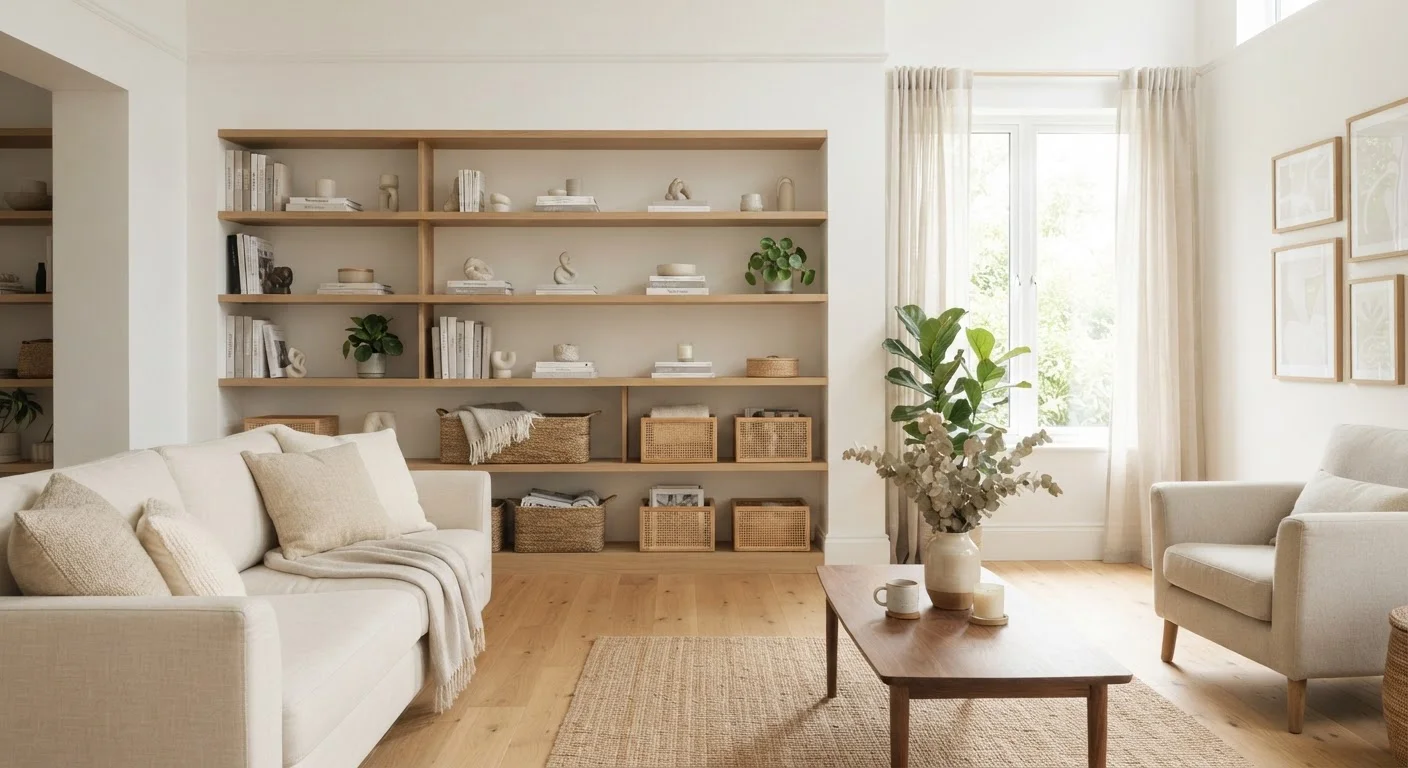
Photo credit: FaqsInsights.com | Stay Informed, Stay Ahead
In this article
If the idea of decluttering your whole home feels paralyzing, start here. This guide explains the core concepts and a low-pressure path forward.
Key Takeaways
- Organization is a skill that can be learned incrementally - you don't need to overhaul your home all at once.
- Decluttering always comes before storage; buying more bins before sorting rarely helps.
- Starting with a single small area builds momentum and confidence for larger projects.
- Sustainable organization depends on habits, not perfection - maintenance matters more than the initial setup.
- Digital clutter creates the same mental load as physical clutter and deserves equal attention.
Why Organization Feels So Hard at First
If standing in a cluttered room makes you feel frozen rather than motivated, you are not alone - and there is nothing wrong with you. Home organization is genuinely difficult to start because the problem feels shapeless. You see everything at once, and the brain struggles to know where to direct energy.
There is also a psychological dimension: many people carry quiet shame about clutter, which makes the whole subject feel charged. The good news is that organization is a learnable skill, not an innate personality trait. It does not require a particular type of home, a large budget, or a weekend free of interruptions. It requires a process - and this guide will give you one.
Organization Is Not the Same as Minimalism
You do not need to own fewer things to have an organized home - though reducing excess can certainly help. Organization is about knowing where things are and being able to retrieve and return them easily. A home with many belongings can be well organized; a nearly empty home can still feel chaotic without a system. Focus on function, not a particular aesthetic.
Core Concepts Every Beginner Should Know
Before picking up a single bin or label maker, it helps to understand a few foundational ideas that experienced organizers rely on.
Decluttering
The process of going through your belongings and deciding what to keep, donate, recycle, or discard. It is a decision-making exercise, not a cleaning task.
Organizing
Arranging the items you have chosen to keep in a logical, accessible way so they are easy to find and return to their place. This step follows decluttering.
Zone
A designated area in your home where related items are stored together based on how and where they are used - for example, a baking zone in a kitchen cabinet.
Maintenance habit
A small, repeatable action - like returning an item to its spot after use - that prevents clutter from slowly rebuilding after a space has been organized.
One-in, one-out rule
A guideline where every new item brought into the home is paired with removing a comparable existing item, keeping the total volume of belongings stable.
The most important principle to internalize early: decluttering always precedes organizing. Attempting to organize before you have decided what stays is like arranging furniture in a room that is still full of boxes. Sort first, store second.
A second principle worth knowing is the idea of zones - grouping items by how and where they are used, not by where they happen to currently live. Keeping all your bill-paying supplies near where you actually pay bills, for example, makes the habit easier to maintain.
How to Choose Your Starting Point
Resist the urge to start with your most chaotic space. Emotionally complex areas - childhood memorabilia, a storage unit, a packed basement - demand decision-making stamina you may not yet have. Instead, choose something small and low-stakes.
Good beginner starting points include:
- A single kitchen drawer
- One bathroom cabinet
- A nightstand or bedside shelf
- An entryway hook or coat closet
The goal of your first session is not to transform your home - it is to practice the basic sequence: sort, discard, designate, contain. Once that sequence feels natural on a small scale, you can apply it to progressively larger spaces.
Set a Timer for Your First Session
New organizers often either quit too soon or push until exhaustion. Try setting a 30-minute timer for your first project. When it goes off, stop - whether or not you feel "done." This trains your brain to associate organizing with a manageable, bounded task rather than an open-ended ordeal.
For a more challenging but rewarding early project, the junk drawer guide walks through how to impose structure on catch-all spaces without losing their flexibility.
Building Habits That Actually Stick
The initial sort-and-organize session is not the finish line - it is the starting line. What keeps a space organized over time is a set of low-effort maintenance habits, not the perfection of the original setup.
A few habits that experienced organizers commonly rely on:
- The one-in, one-out rule: When something new enters the home, something comparable leaves. This keeps overall volume stable.
- Immediate returns: Items go back to their designated spot right after use, rather than being set down "temporarily."
- Weekly resets: A 10-15 minute weekly pass through high-traffic areas catches drift before it accumulates.
If other people share your home, habits only work when everyone participates. The article on getting the whole household on board covers practical strategies for building shared routines across different ages and personalities.
Where to Go From Here
Once you have a foothold - even one organized drawer - you have the foundation to expand. Consider tackling spaces in order of how much daily friction they cause. The areas you interact with most often (kitchen counters, entryways, home office surfaces) tend to deliver the highest return on organizational effort.
Larger spaces like garages often benefit from their own dedicated approach. The garage organization guide provides a comprehensive framework for zoning and storing everything from seasonal gear to tools.
It is also worth remembering that physical clutter is not the only kind. The digital clutter guide addresses how disorganized files, photos, and inboxes create the same cognitive load as a messy room - and what to do about it.
Organization does not need to be a grand project. Approached one small area at a time, it becomes a quiet, cumulative improvement to how your home feels and functions every day.
Room-by-Room Organization Checklist
A printable checklist that walks you through the sorting and organizing process for each room type, helping you track progress and stay focused during sessions.
Home Improvement Hub
Practical guidance for renovating, repairing, and upgrading your home - including projects that create better storage and more functional living spaces.
Frequently Asked Questions

Author
Home & Garden Editorial Team
Home & Garden Editorial Team is the collective byline for our editorial team and contributor network. Articles published under this byline or an editorial pen name are researched, written, and reviewed according to our editorial standards for clarity, consistency, and independence before publication.
View all articles →